The Devil is in the Detail – Closure
Well, not quite.
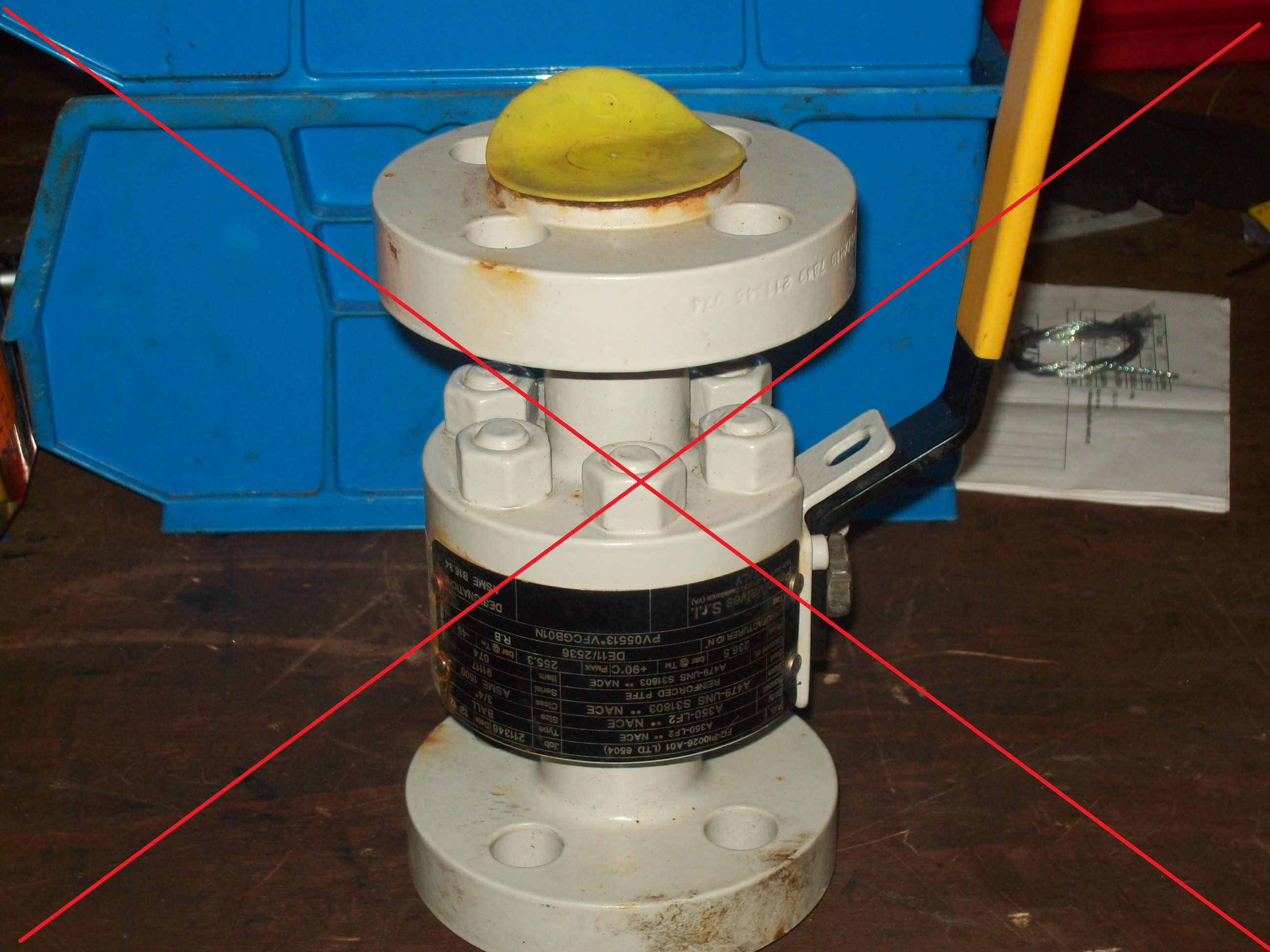
When presented to the Technical Authorities, one of them noticed that on the valve plate it stipulates a maximum design temperature of 90 DegC, not ideal on a line that can see 175 DegC. This was missed at every step along the way and set our meeting off to a bad start. Luckily Woodgroup were able to offer up a ringer that was suitable for service up to and beyond 175 DegC. However this new valve had had the valve stem changed out, but there were no certificates to QA the material used. As a work around I got agreement that the valve could be fitted for leak testing, thus allowing MC1 on 28 Sept, but to be used in hydrocarbon service it would need to Positive Material Identification (PMI). PMI would have required for a trained person to be mobilised with the equipment (think speed gun), so I gave the Asset a choice, PMI the in place valve or we fly out a ringer with certs complete. They went for the second option and so this valve is now fitted and I am left with the glamorous business of ensuring the deviation is recorded in the change management system – queue much chasing after people, bullying and coercion.
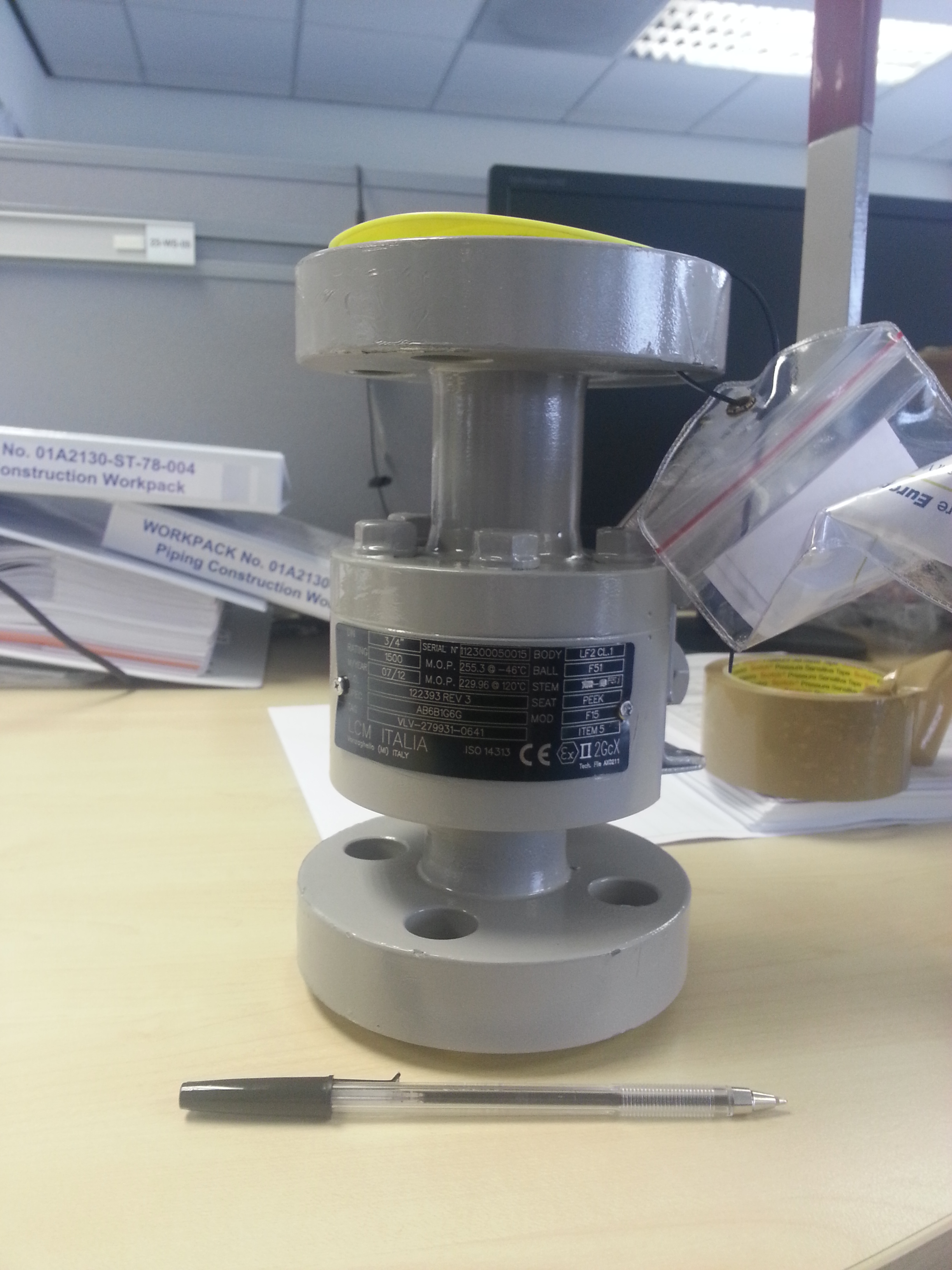
If you are interested, here is what the most expensive valve in the world (gram for gram) looks like…
The real drama didn’t start until close of play last week and luckily I’ve not had to get too involved. On Thursday the ACE Engineer responsible for developing the commissioning plan highlighted the fact that the test pressure stated on the piping isometrics was some 30 bar lower than that required by the piping specifications. Following some calculations by BP it appeared that the incorrect temperature factor had been applied to the design pressure to calculate the test pressure (1.5 instead of 1.75) resulting in this discrepancy. This quickly blew up into quite a large issue between BP and WGPSN, with WGPSN spending the weekend checking all of the pipe work in the Coolers project, then all of the pipework in the Clair TAR and then all of the Pipework in the Magnus TAR. A considerable expenditure on Wood Groups part to ensure that, while the pipe work did indeed fall short of the required standard, it was more than suitable for service. Part of the issue lies in the way that BP specifies pipework on assets which is flawed in that it is a massive over estimation in most cases. Ultimately the situation has been justified and there will be no requirement to replace the pipework, which is a massive relief, and the hullabaloo that it caused nicely distracted everyone from the valve issue and I have managed to get it sorted in the back ground.
In hindsight, I should have spent more time when the valve issue was flagged up restraining WGPSN to ensure that we had the right solution. I allowed us to go forward and present a completely inappropriate valve to the TAs and it was only luck that we had a second, more suitable, option to present to them. I am now in the process of trying to implement these tactics to the new issue, Independent verification.
OSCR Regulation 19 mandates that IVB is carried out as a check calc for the project to ensure that disasters like Piper Alpha and Deepwater Horizon don’t happen in the North Sea. There are 20 days until the system is due to go live and I just got handed 23 pages of comments that require response from WGPSN. The clock is ticking once again.
In the background I have also re-written the project Approval For Expenditure to make sure that I don’t run over budget. I like the philosophy of moving the goal posts and in this case it was agreed. My request was for a cool million and it should be approved shortly, unfortunately they BP won’t be giving me the 10% commission I requested.
All in all, good stuff for CPR methinks.
 Holdfast Training Services Trial Blog