Archive
Services Engineering with John Holland – Part 2
So, having had mixed feedback on Part 1, I will forge ahead with Part 2….
The Project
Comprised of 3 Lots; Lot 1 – additional works to the plant room in a neighbouring building to provide chilled water AC to the new buildings; Lot 2 – a 6 storey high-tech arts and dance building with acoustic sound studios; Lot 3 – the renovation of existing heritage military barracks into a student arts centre. An AUS$60 million project with intricate architectural detail, a lot of off-form white concrete, acoustically isolated studios and state of the art AV systems.
From what I have heard of other projects, there are advantages and disadvantages to being on a relatively small project. In the time I have been here, I have been able to develop a sound understanding of the services for all 3 Lots, and have been immersed in the structural, facade and finishes aspects of the project as well. The amount of off-form concrete means that there are vast numbers of cast in conduits that are later used to carry power and communications cables, and the accurate location of cast in penetrations for services is vitally important given the exposed concrete.
Perhaps the negatives are that there is not the extent of different services in this project compared to those you would find in a larger project (e.g. a hospital). For example I have had nothing to do with HV power; something I know Ollie has been heavily involved in at the Perth Childrens Hospital.
Being in a small team (c. 16 people) in one site shed means that I have really got a good feel for the politics behind decisions made and the contractual ‘game’ that is played out between subcontractors, head contractor, client and consultant.
The Project Team
The basic team org chart is shown below. The team has changed considerably over the last 8 months with all bar 3 of the project team members changing over. The only team members who have survived from the start are the PM and my services colleague. Some of the turnover im sure can be explained by the uncertainty over the future of John Holland (JH). They are up for sale and the buyer is as yet unknown. Nobody knows for sure if the buyer will keep the building side of the business. There is also a lack of work in Queensland; with a couple of other projects finishing up in the coming weeks, we are soon to be the last JH building project in Queensland. There are more projects in the pipeline though, i’m told.
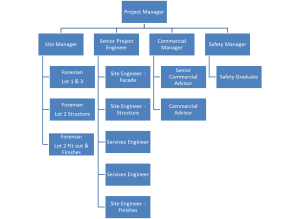
The military equivalent of the foremen would probably be somewhere between a Cpl and a SSgt depending upon experience. They drive the subcontractors on site, but rely upon the engineers to ensure the necessary design information is available and to resolve issues as they arise, such as services clashes. I was surprised to find that there are actually no ‘proper’ engineers (either chartered or with an engineering degree) on my site. We are referred to as ‘Pretengineers’ by the foremen. My PM has got to where he is from being a chippy and the Safety Manager is an ex Australian Army RSM.
The dynamic has not been at all what I expected. On my site the foremen run the show and the engineers do the administration as required. This, in my opinion, makes the team very reactive rather than proactive, particularly as the Senior Project Engineer resigned making it harder to gather the engineering team to do any forward planning.
Roles & Responsibilities
Despite the lack of knowledge of drawings and general terminology, responsibility came quickly. My primary responsibilities are below with a rough percentage of my day allocated to the task.
- Services Co-ordination Meeting – With the services trades still very much clearing up design issues and generating shop drawings in the early weeks, I took responsibility for running the weekly services coordination meetings. At this stage the meeting was attended by each of the services Project Managers; Electrical, Mechanical, Hydraulic, Fire and AV Systems. The principal aim was to provide a forum to discuss clashes and design issues identified during the shop drawing process. In the last 2 months, the meeting has become more of a site coordination meeting between services and finishes trades with attendance primarily at the site supervisor level. (5%)
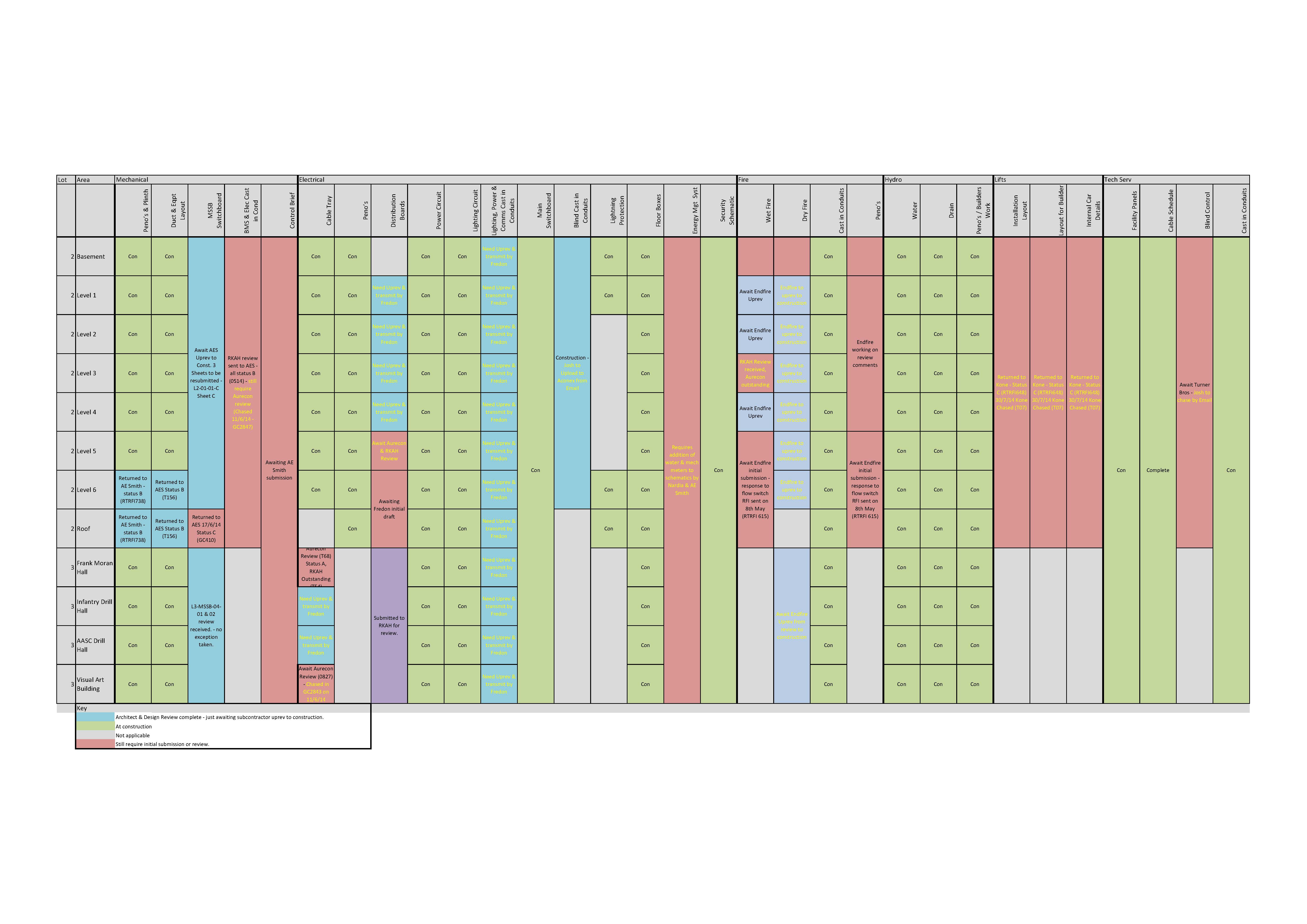
- Managing Services Shop Drawing Reviews – The specification documents call for certain shop drawings to be submitted to both the Architect and Consultant for review. These need to be chased, and tracked, a deceptively complex task given this involves in the region of 400 drawings from 5 trades, each of which may need to be revised and resubmitted anything up to 6 times. I developed the spread sheet below to capture the status and relevant Aconex correspondence numbers. When I arrived on the project we were probably about a third of the way through the process. (20%)
- Services Correspondence – Responding to requests for information from the subcontractors. I have nothing to reference against, but I’m told that this job had an unusual amount of incomplete design. Throughout the shop drawing process and during install, these gaps in the design such as areas on ‘hold’ and missing set-out for services have generated a significant number of RFI’s, each of which need checking (to ensure we definitely don’t have the information) before they are sent on to the Client / Architect (as the lead consultant). I have no idea how this compares to other sites and would be interested to know, but I have sent over 200 RFI’s to the client / lead consultant (the other services engineer around 480), and nearly 1000 other related correspondence. The project uses Aconex to track correspondence which is pretty good once you work out how to use it. I did spend the first couple of months tracking correspondence through a spread sheet though, before I got the hang of the software. (40%)
- Quality – Managing the services trades ITP’s. This involves checking cast in conduits and penetrations in slabs before they are poured and getting trades signatures on the ITP. The same checks must be carried out before walls and ceilings are closed up. Each trade should then provide a copy of their own ITP as an annex to ours. As you can imagine, this is not top of their priority list. There is also a requirement to understand what the specification documents call for so as to check the trades are not taking short cuts to save a buck. (10%)
- Checking Variation Prices – Ensuring subcontractor claims for variation costs are legitimate and checking the prices against the schedule of rates. This can be time consuming as subcontractors will regularly chance their arm at recovering costs that do not constitute a variation and are quick to jump on the fact that due to our high staff turnover, we struggle to retain information on previous conversations etc. As such time is spent trawling through correspondence, meeting minutes and drawing revisions to determine where cost should lie. (5%)
- Safety – Various site safety requirements such as routine hazard inspections, reviewing subcontractors safe work method statements, issuing concrete penetration, excavation, isolation and hot works permits and periodic reviews of the Activity Method Statements (AMS). (5%)
- Clash Resolution – On site resolution of small clashes that are not design related. Usually takes some diplomacy as each trade thinks the others should move their services around them. (10%)
- Occasional Tasking – Researching and delivering solutions to problems such as ensuring sufficient fire hydrants are installed to maintain fire code compliance during construction and developing a solution to providing temporary ventilation through the building once the façade is installed. (5%)
The Routine
- Site opens at 0630hrs – arrive at work.
- Get a brew and quickly check last nights emails.
- An early site walk, which will inevitably generate safety or clash issues to be resolved.
- Deal with correspondence and chase outstanding RFI’s
- Another site walk.
- Team meeting.
This should lead on to Part 3 where I will try and summarise key lessons….
Thesis Forum
If this appears twice I’m sorry! In a previous reply to Nick I said I’d make a forum on the ELE to discuss how the thesis submission process is going (rather than using your blog). The forum is here: http://rsme-insite.co.uk/mymoodle/mod/forum/discuss.php?d=189 We’ll keep it open until you have finished and submitted.
Look forward to hearing from you!
A lack of commitment
I am coming to a crunch period in my time on attachment with BP. There seem to be a number of things coming to a head all at the same time, both from a BP perspective and a PEW point of view.
I want to complete a design phase attachment with WGPSN as a mechanical engineer for about two months, in the same way Chris Warner did, so that I can satisfy the DO where I feel I may be weak. It will also undoubtedly make me a better engineer, which is the whole point of this attachment. The problem is that my role as SPA demands all my time and focus and my line manager is keen for me to do the attachement at a time when there will be no advsere affect on my projects, which is fair enough. In true military style I forecast out what the key activities were that I needed to have in the bag so that I could genuinely feel comfortable just monitoring my projects for afar for two months. Sadly, my plans are falling to pieces because the key activities are predicated on receiving work from other people in good time and trying to get anybody to make a decision before we are right up against a deadline is proving problematic. As an example, I inherited a Hazard Operability (HAZOP) study report containing a number of actions relating to process engineering. Unfortunately, the report records the actions as an SPA responsibility (cheers Imran) and not a process engineer responsibility. So it appears that I am culpable for the action even though it is impossible for me to close it out because I know I am not competent to do so. Depsite badgering the process engineers, the best I have got is an emailed response expalining in great and complicated detail why there shoudln’t be any actions on me but also still refusing to formally close out the action. Thus, the situation is not resolved and I will have to keep escalating until someone finally gets told to piss or get off the pot. This takes time and effort that I would prefer to be using elsewhere.
That said, this proactive approach has been beneficial. I feel as though I have a good grip on the key project risks as a result of forecasting ahead and trying to anticipate what is likely to trip me up at Xmas time.
As another example of people trying to become human teflon, there is a distinct aversion to taking responsibility for pretty much anything. On another one of Imran’s projects that I inherited, the Minox Blower, there has been an issue with handing over a piece of kit that has a defect. This one was not Imran’s fault at all I must add. However, there is a cracked weld on a motor jacking point that is used to align the motor after a period of maintenance, therefore it is not requird for routine operations. 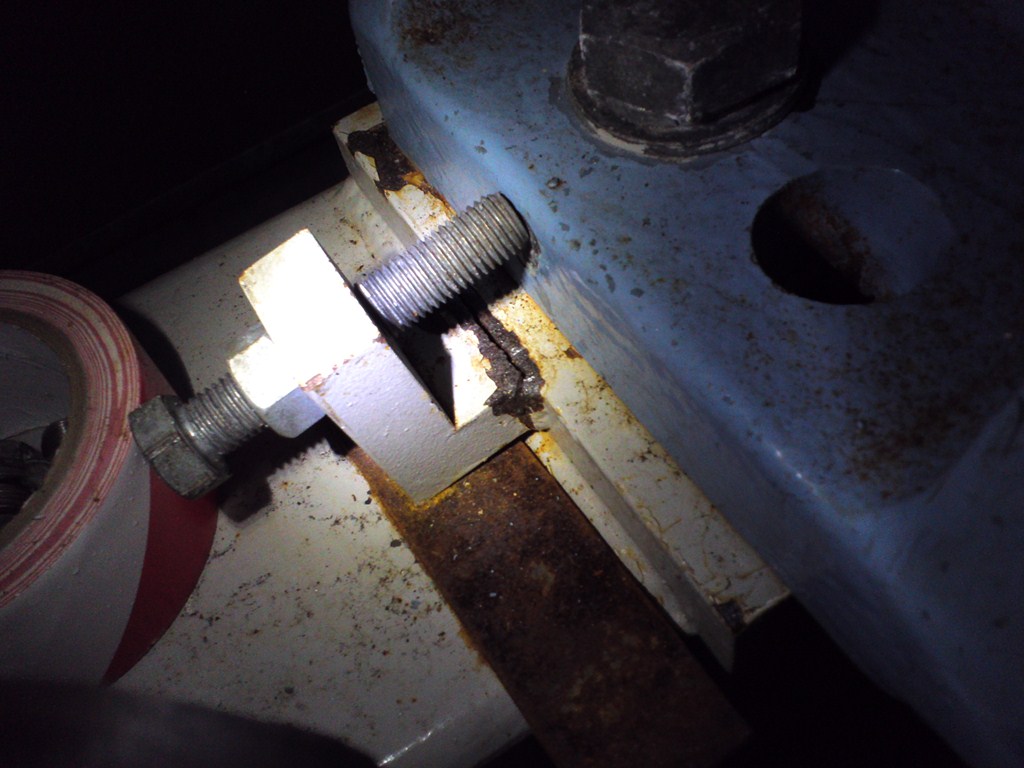
The solution seems clear, re-weld it. However, as a project engineer based on shore I cannot weld it and it is not in my budget to get a vendor to do this. Nor am I empowered to get the repair or maintenace team to do the job. Hence, we are stuck again and I cannot clse the job out because this needs to be fixed. The reapir and maintenace team leaders have agreed they can do it but will not take it on. I have had to raise it several levels to try and get it as a directed task. This consumes so much more time that is necessary to complete realtively simple jobs. This does however tick the B3 Do, which is effectively make sure that what is installed works.
Finally, the PEW deadlines are a bit rubbish overe the next two months. We have had over 4 months between AER2 and AER3 and then we get between 20 and 25 working days between AER3 and AER4. There is also a TMR and probably thesis form C to complete by the end of January. I think for next year’s students this is worth some debate at PEW as to whether this has yielded the best work or just work that would suffice. I am trying to feedback into the embryonic modular thesis process and see what peope think. I can see a positive note though and that is that by about March time we will be able to slow down a bit and take stock of what we have achieved prior to going for CPR.
CI is online – finally!
Hello everyone!
I feel as if I have finally joined the 21st Century, now that I can blog. I’m really keen, as CI, to be involved in the Blog because I want to be able to provide comment on all of the excellent experience you are getting. I feel that we can add so much more value to your discussions by providing links back to Defence as to why what you are doing is important, or why lessons you are identifying are relevant to Defence and so forth. I’ll try to be a frequent contributor; Jim and Dave please prompt me…
I’m also keen to widen the circle of participation of the blog so that more people can gain benefit from it. However, I’ll blog about my ideas first to canvas opinion; I don’t want to detract from the main purpose, which is to facilitate PET development.
Yours,
CI
Services Engineering with John Holland in Brisbane – Part 1
As the only non-engineer on the PET E&M 55 course, I knew absolutely nothing about what to expect during phase 2 & 3 of the course. Furthermore, selecting where to go seemed like a lottery. What follows is a brain dump of how i ended up in Brisbane, and what i have done since i got here. Hopefully it will be of some assistance in selecting placements and helping the non-engineers understand what is in store.
Placement Selection
I have no marriage / family commitments, so arrived on the course with the aim of getting to Oz. That said, i was also pretty concerned about how i would cope with the academia on the course; my BSc in Disaster Engineering & Management may as well have been a degree in brewing, given the ratio of socials to lectures. Furthermore, do not be mislead by the word ‘engineering’ in the degree title, as the complexity of the engineering covered was little more than building tripods and digging pit latrines.
Early exam failures started to make me think that i should stay in the UK where i could have better access to academic support (PEW). There was also an element of scaremongering about John Holland (JH) getting their pound of flesh due to the associated additional costs, which would reduce available study time and increased pressure around assignment submissions.
In the end I was fortunate to have a moment of clarity. The placements are, in my opinion by-and-large luck of the draw, even for those who arrange their own in the UK. My management could be good or terrible wherever I ended up, any project was guaranteed to be interesting as it would all be new. So my decision to plug for Oz boiled down to this; I had never been here but only heard good things, Ozzies were rumoured to enjoy a few beers and a similar understanding of banter as the Brits, and above all, hot girls in lycra.
My advice – go with your instinct.
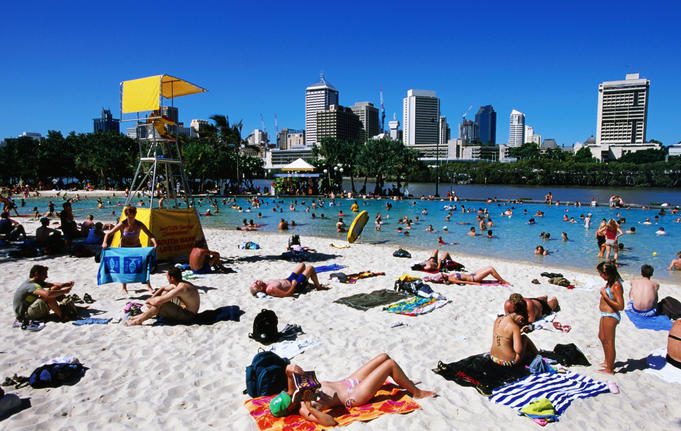
South Bank, Brisbane

Casual (girls) lycra
Australia
Awesome!
Pre-Arrival Admin
Getting early information whilst in the UK was like getting blood out of a stone and in the end I contacted my PM to be through Linked In. When I got here all my PM seemed to have been told was that some services ‘guru’ from the British Army was coming and that he needs to be accommodated and given a car. The lack of information had clearly caused rumour amongst the small team, and I later found out that the services engineer whom would become my mentor thought I was being brought in to replace him, which explained the initial uneasy dynamic.
I managed to negotiate $650AUS per week for my accommodation, which in hindsight, was pretty good for Brisbane which is definitely cheaper than Perth or Sydney. I live in a spacious 2 bed apartment in a decent suburb. I can cycle to the CBD or to work in 15-20 mins and am almost on the Brisbane river (Google: Dixon St, Newfarm). Whilst there was a lot of property available, the need for furnishings narrowed the field considerably. Of the 2 weeks relocation leave, i spent just over one finding a place to live and got to know the city for the second.
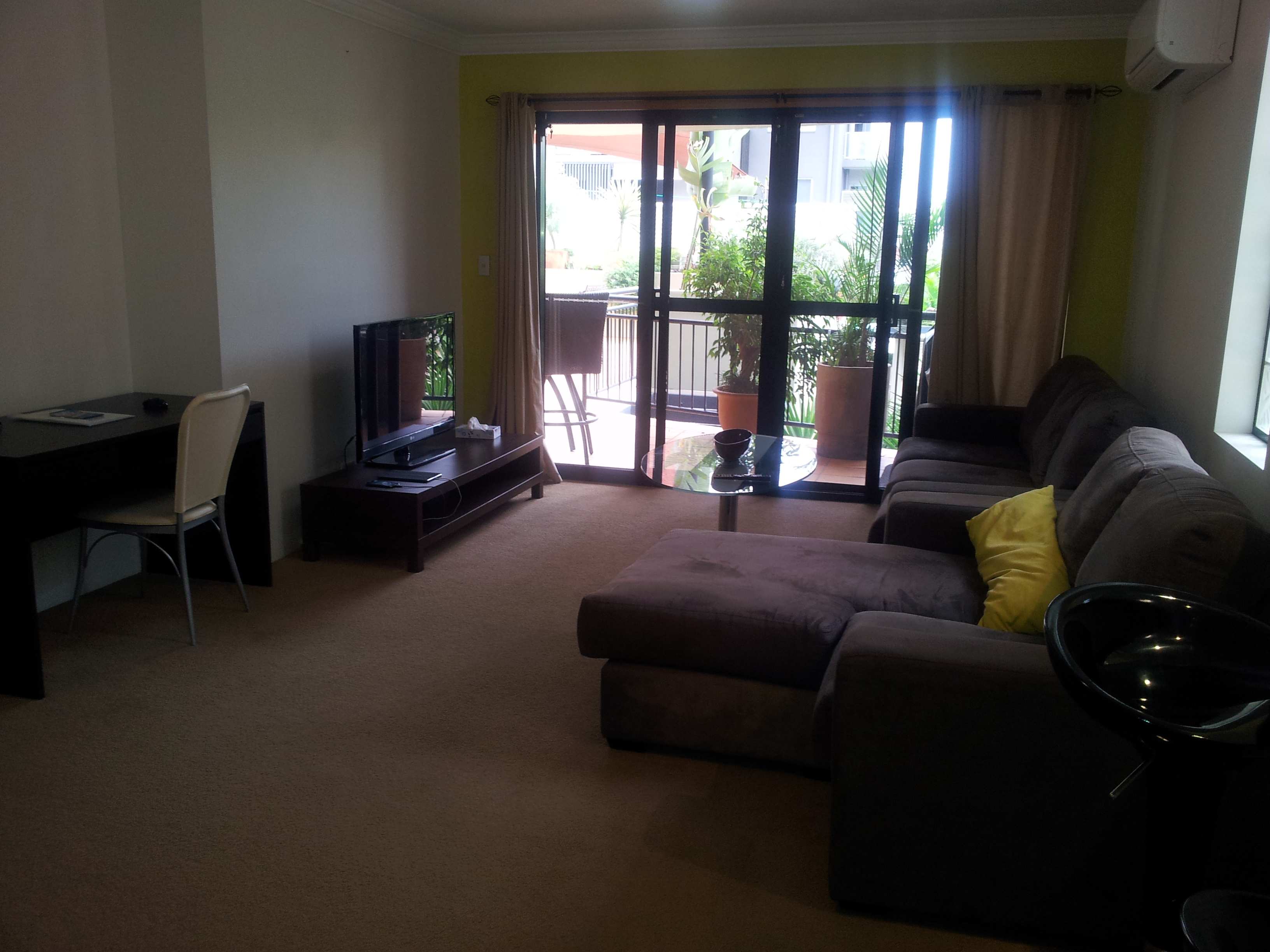
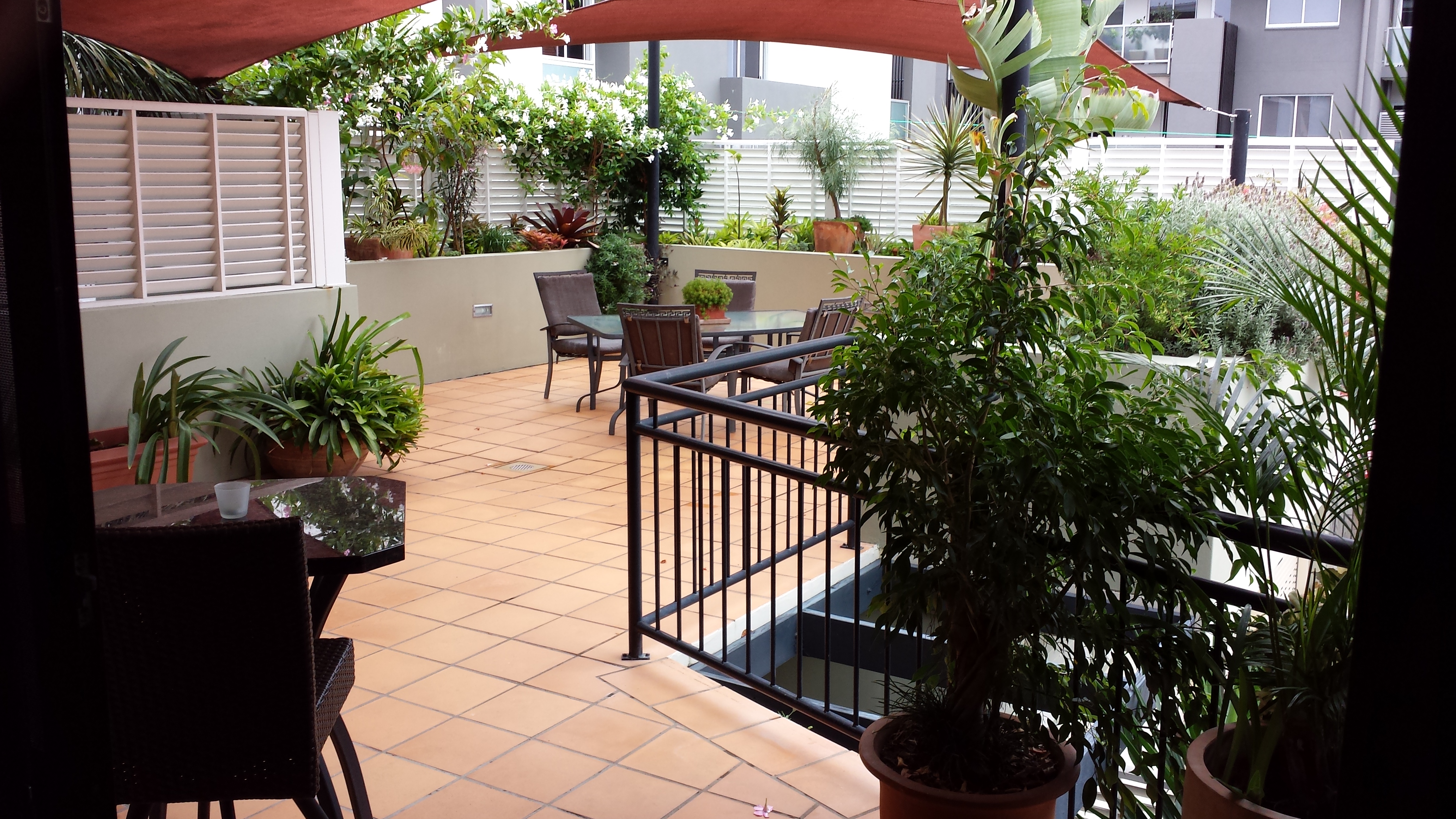
The pad
I am still a little unsure as to why so little information about who I was and why I was there was passed to my PM. John Reddie (the JH LO to PEW) is a calculated man so I have no doubt it is a deliberate move but I have been unable to work out why. Whilst we get the Coursework Instruction from PEW, a single document from PEW outlining key information to a PM, such as course objectives, coursework requirements, accommodation allowance / entitlement, request for support in terms of study time etc. would save some early, slightly uncomfortable, negotiations. In the end I wrote one myself and talked it through with the Senior Project Engineer as something to fall back on later. The trigger for this was repeated attempts to get me to take over some of the structural engineers workload such as testing concrete etc.
Starting Out
Very slow for the first couple of weeks. I had no desk, no computer, no phone and no safety boots. For the first week my job was to perch at the plan bench and familiarise myself with the project drawings. This revealed my first and probably most significant weakness; i knew nothing about architectural/design drawings. A basic understanding of what drawings i could expect to find and how to read them would have been a huge help. Furthermore i knew nothing of the other key project documentation i should be looking for such as specification documents, the project management plan and the safety management plan.
First impressions count as we know, so the early days of asking billy basic questions lead to me being perceived as a work experience kid by many I’m sure. This made it harder for me to get traction for the things that I could add value to, and set the starting bar for earning respect amongst the team unnecessarily low. In hind sight, I could have dramatically reduced the quantity of basic questions if I had had access to and had trawled through the intranet. Unbeknown to most of my project team, details of procedures, the most up to date forms, and checklist prompts to assist in safety walks etc. could all be found on the intranet.
My advice – ensure you are familiar with reading drawings before you arrive on site and read the following key documents (or equivalents) as a matter of priority; Project Management Plan, Safety Management Plan, Head Contract, Sub-Contracts and relevant trade Specification documents. I also recommend having a good trawl through the company intranet (IMS in JH) as there may be a raft of useful information to save you reinventing the wheel.
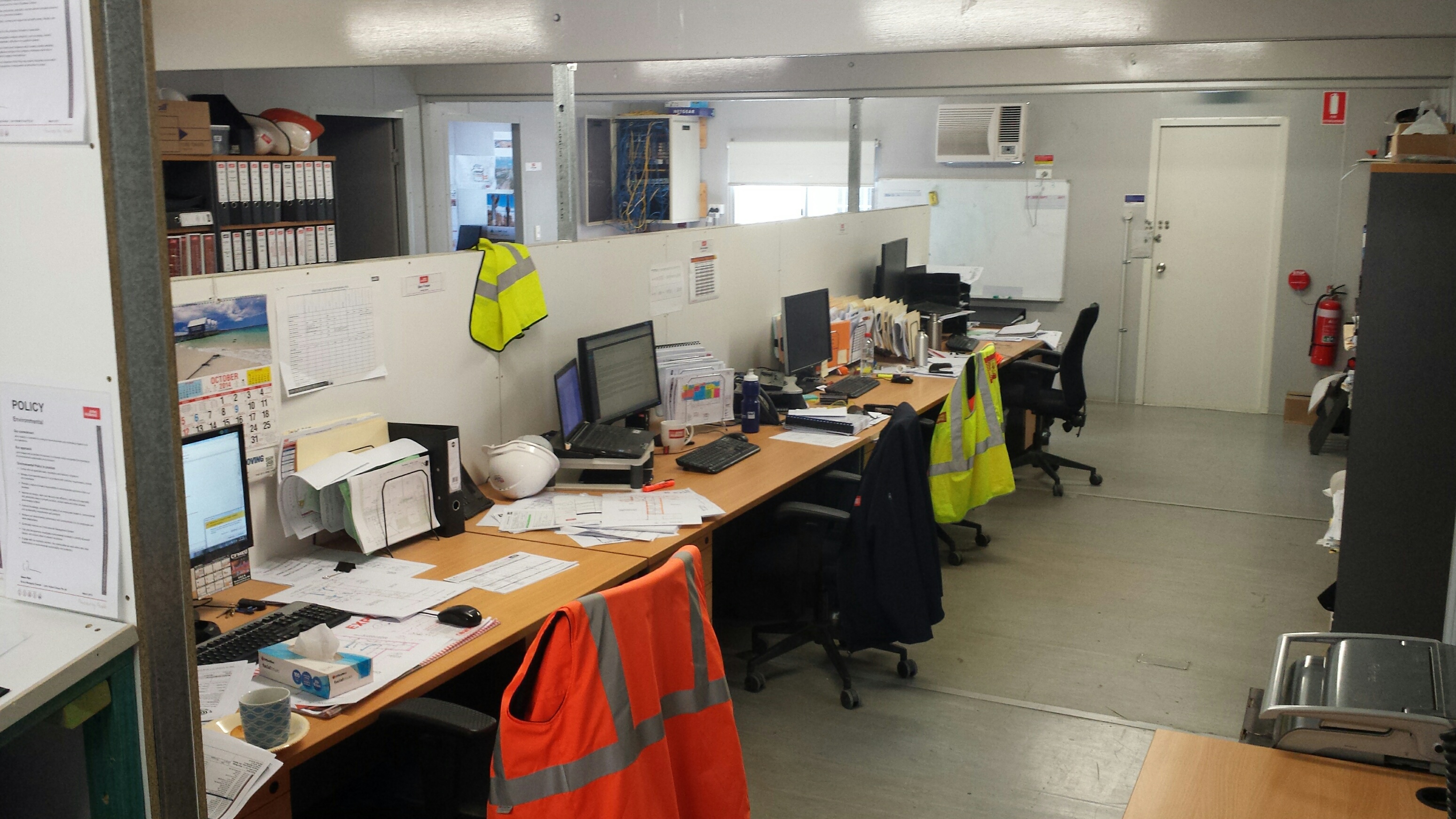
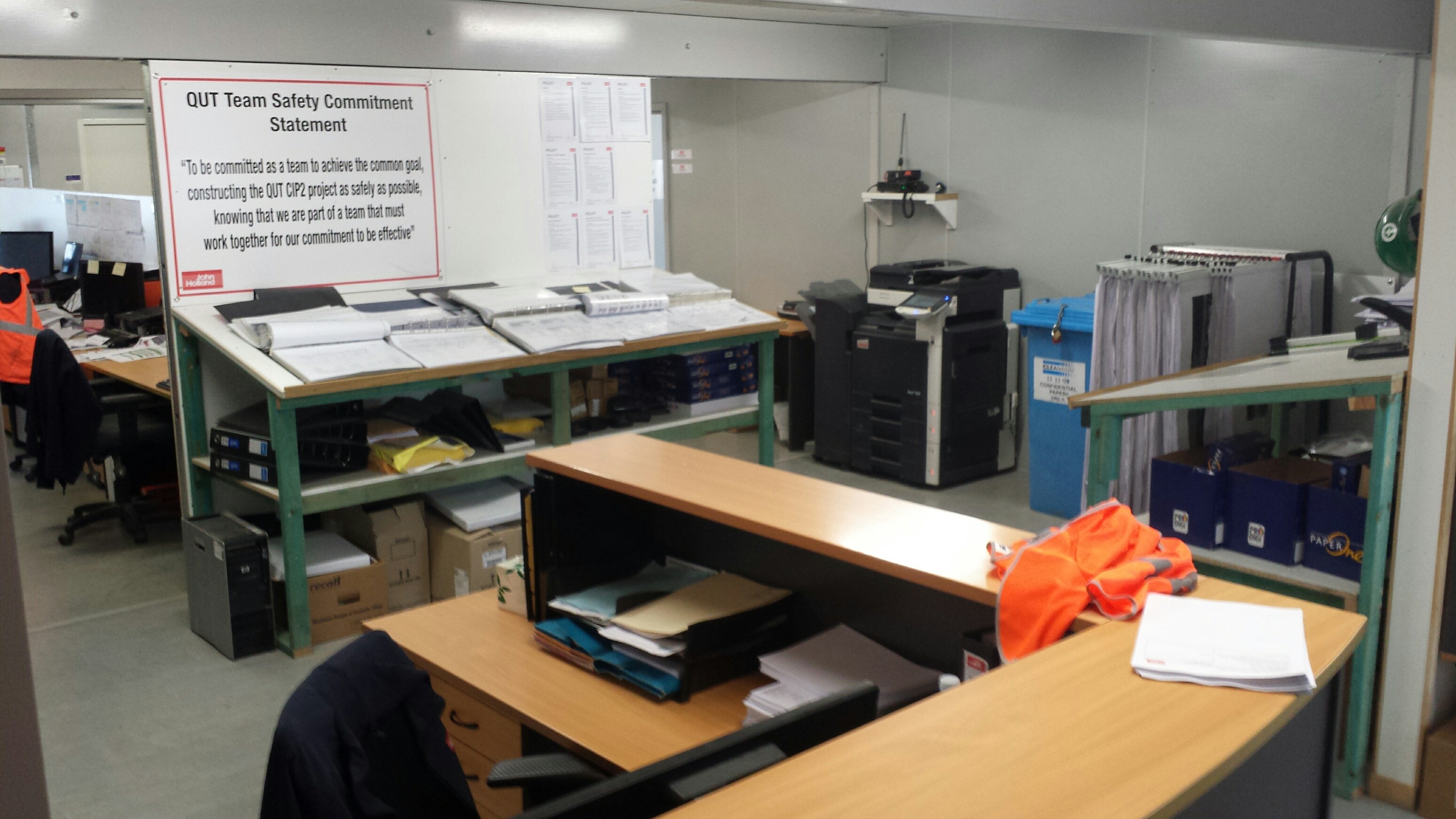
The JH site shed.
Look Forward To….
In Part 2 of Services Engineering with John Holland in Brisbane I will try and cover the following:
- The Project
- The Project Team
- Roles & Responsibilities
This should lead on to Part 3 where I will try and summarise key lessons.
Let me know if there is anything else that could be of use……
More Offshore Helideck Stuff
Since the last post I have enjoyed a further stint offshore assisting with the line-up of BP Andrew for start-up. This most recent mobilisation had two components to it a) assisting with a complete system line walk before start up b) production support to start up activities.
The 96hrs line walk is the final serial prior to introducing hydrocarbons to the platform. This final walk is effectively the third system line walk that is conducted on the platform. However, considering that the previous line walks may have occurred up to 8 weeks before the start-up it is conceivable that some of the systems may have been put out of alignment. It also allow for checking that all the previously identified snags have been corrected.
Having completed this line walks I was then set to production jobs with the production technicians. The tasking received was to prepare a series of scrubbers for their gas duties. The preparation activity was to introduce approx 1m3 MEG (ethylene glycol) into each of the three vessels. As this was not a routine activity there is no procedure in place, therefore, it was down to Barny (prod tech) and I to design a procedure, find the equipment, make up the fittings, run lines from the top of the platform to the bottom and execute the task. It felt very much like a scrap heap challenge. It was definitely the most valuable and enjoyable experience of the trip for a few reasons:
Control of work. Although a relatively simple task it was necessary to create a permit to work and to take the Area Authority out on to the plant to brief them on the conduct of the task prior to it going for approval. Only once approved by the Offshore Installation Manager (the CO) could the work go ahead.
Technician competence. As an outsider I initially thought that the Ops Team Leader (the OIMs right hand man) and the techs would be all over what seemed a relatively simple job. I was wrong. Whilst the teams are sound at doing their routine tasks the ability to tackle something outside the norm really was a challenge.
Plant conditions. Though the platform was not yet producing hydrocarbons the system was far from being ‘flat’, i.e. no pressure. The conduct of the task required that we interrogate the process and instrumentation diagrams in order to identify filling points for the vessels. In all cases this necessitated breaking into systems for tie ins as there were no engineered tie in points available, e.g. via double block and bleed valves. This meant that there was no way of proving that the system was ‘flat’. Fortunately in all cases it was possible to break into the system down stream of an isolation valve. This allowed a controlled assessment of the condition of the plant. In two out of the three cases it was found that significant residual pressure had remained in the vessels, from system pressure tests/purges, even though we had been led to believe that the vessels were depressurised. (Although pressure gauges were visible they were high range pressure gauges, up to 120 bar, so the 5-10 bar in the vessels did not register.)
MILLER HELIDECK LIGHTS
Since the switch on the system has suffered a number of issues. Orga has mobilised engineers from the Netherlands to fault find. These issues have been resolved by the replacement of a control panel module and a software mod is due.
The Helideck Certification Agency (part of the CAA) has now issued an updated certificate for the operation of the helideck with the circle and ‘H’ lighting in operation. Initial feedback from pilots has been great and as long as all the lesson are captured this project will be a useful stepping stone in rolling this out across the region.
ANDREW HELIDECK HYDRANTS
This has taken a considerable amount of supervision to keep this project on the rails. The enabling scope is due to start in 3 weeks, with the engineering destruct/construct starting 10 days after that. As expected this project has not met any of the activity planning timelines proscribed by BP. But for the fact that this project is necessary to maintain the helideck certificate and operate the platform it would have been kicked in to the long grass. Instead I am on the receiving end of a long handled screw driver.
I have found this quite project both challenging and rewarding. Despite Costain assuring the BP management that they knew what they were doing and could easily deliver, it has been necessary to educate them on almost every stage of the process, whether that be engagement with the independent verification body i.e. Lloyds or procuring materials. This learning process has resulted in them losing their way with the engineering. Only a few weeks back it was necessary to signal to the BP management that I had serious doubts regarding the technical ability of Costain to deliver the project. On a number of occasions they were guilty of issuing drawings, calcs and technical notes that failed to meet either the regulatory or BP technical standards. It’s amazing the response you can get from a contractor when you communicate this lack of confidence to both management teams!!
Looking forward, I am expecting to receive the workpacks approved for construction and have the materials sat in Aberdeen ready for shipping by the end of next week (31/10). I am also looking forward to the Costain Project Manager sitting down with all the engineering changes notices that he has been stockpiling for some unknown reason. I get the feeling he has just been putting off another awkward conversation. This one will definitely be awkward Costain have nearly doubled the hours burnt without any coverage! It also brings into question the quality of their own front end engineering work against which they generated their estimate, but that will be the topic of another uncomfortable conversation.
Gratuitous photo:
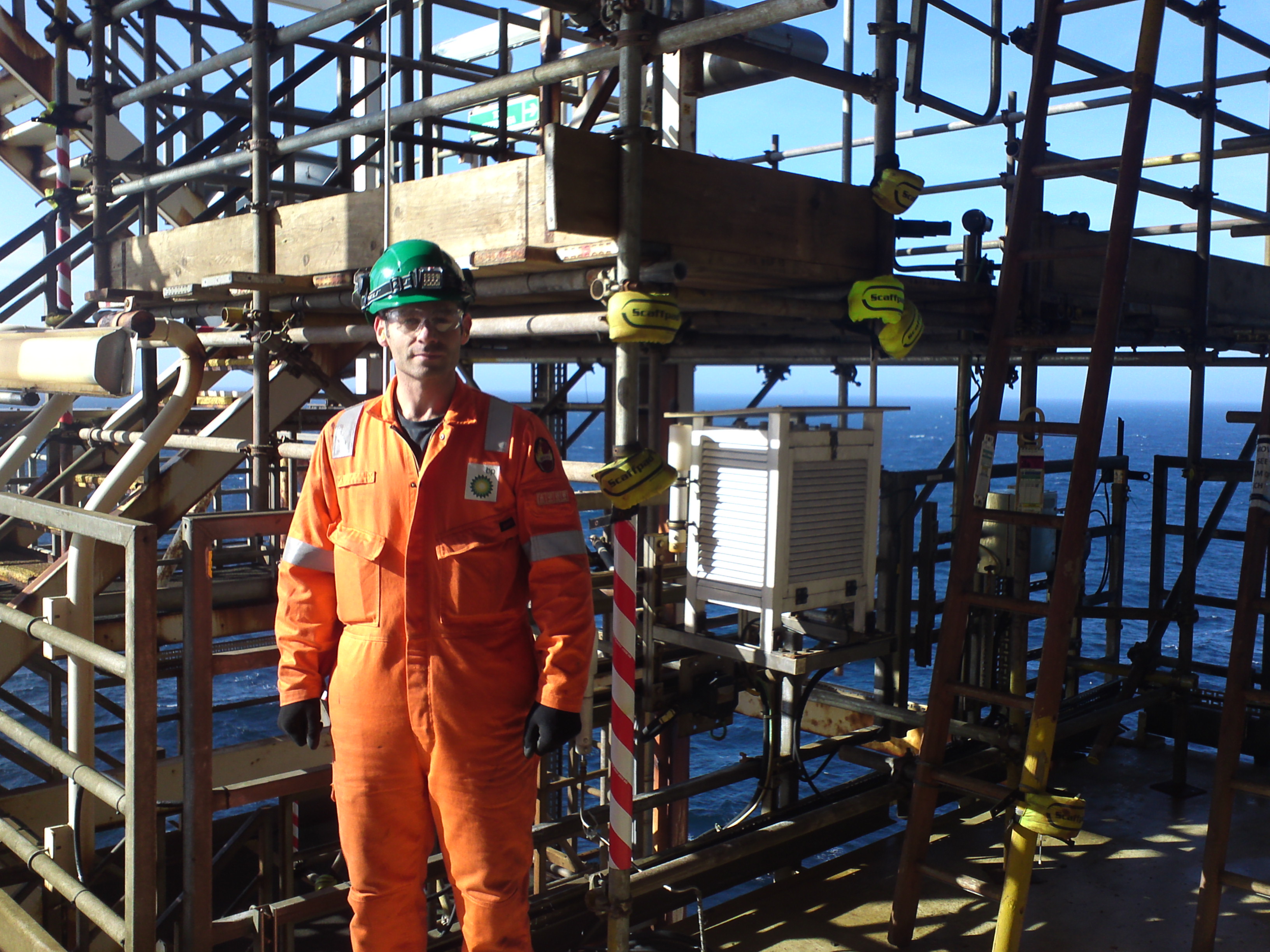
A job with a view!
I finally managed to make a contact over in Mace by randomly chatting to the Project Director on the walk to site. He put me in touch with one of the engineers to chat about some of the technical issues who then put me in touch with a construction manager to organise my trip up a chimney! Having told him that I was a climbing instructor he quite happily gave me a full body harness and a glide-lock fall arrester off we went on a nice windy day!
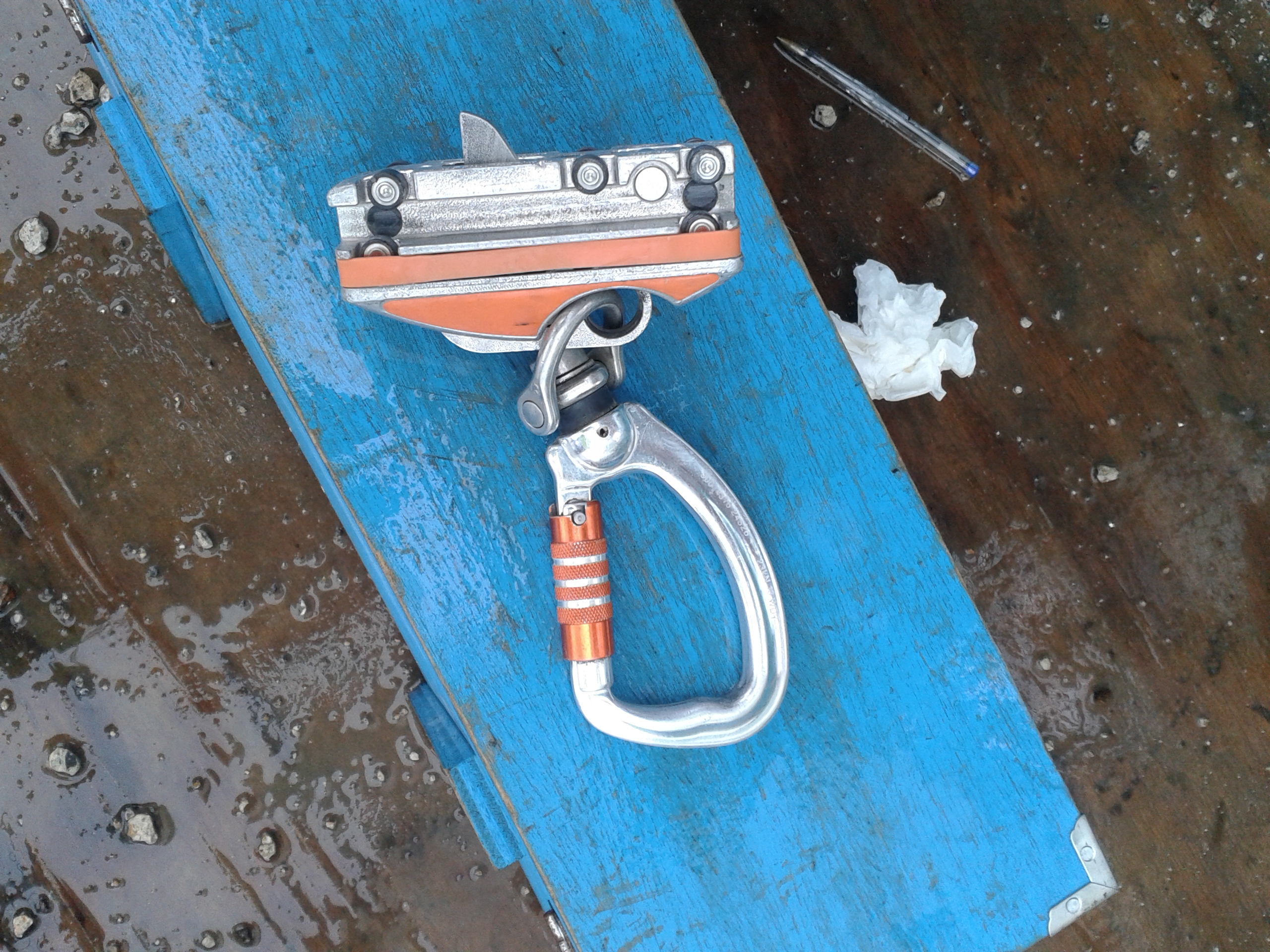
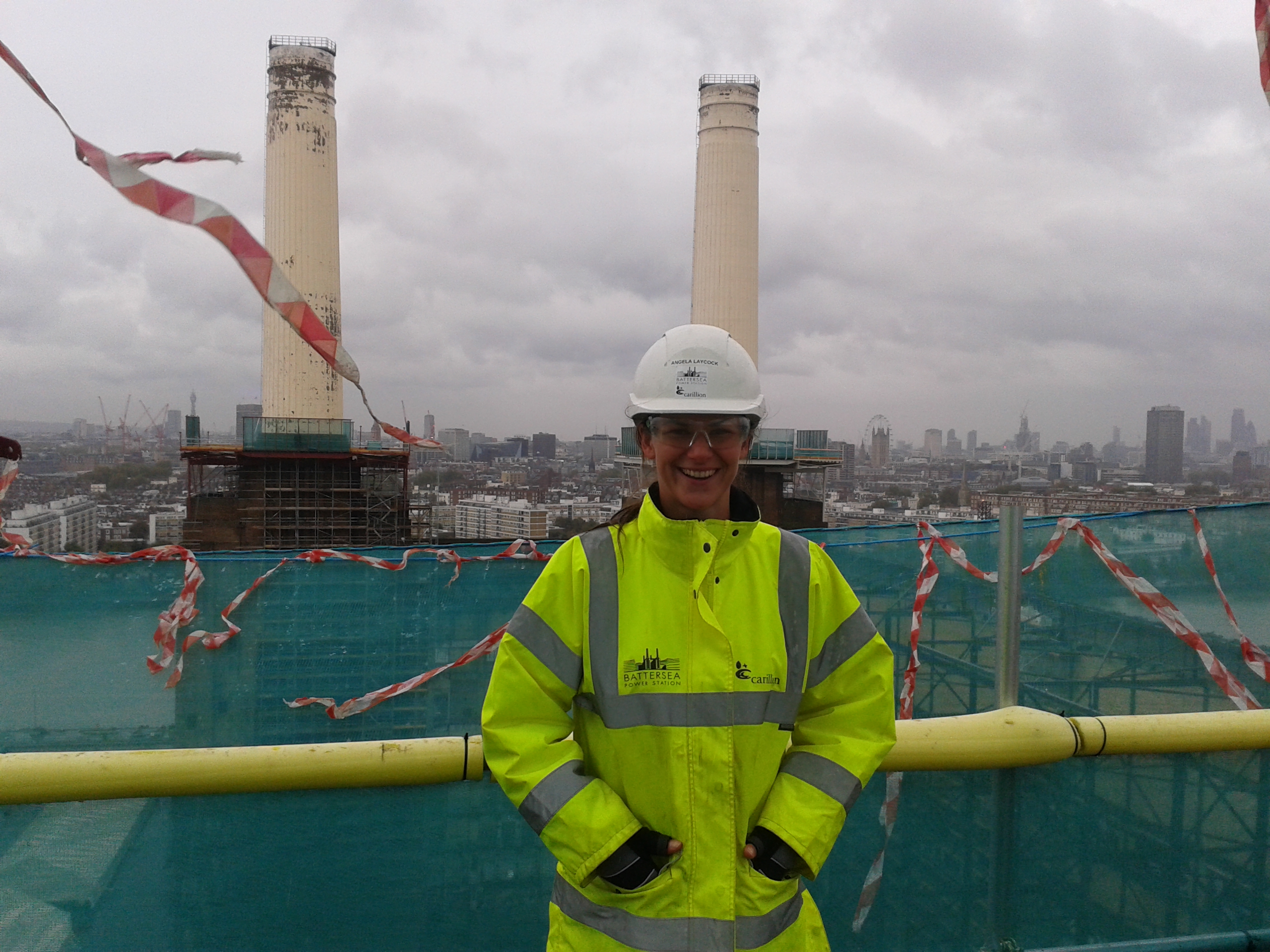
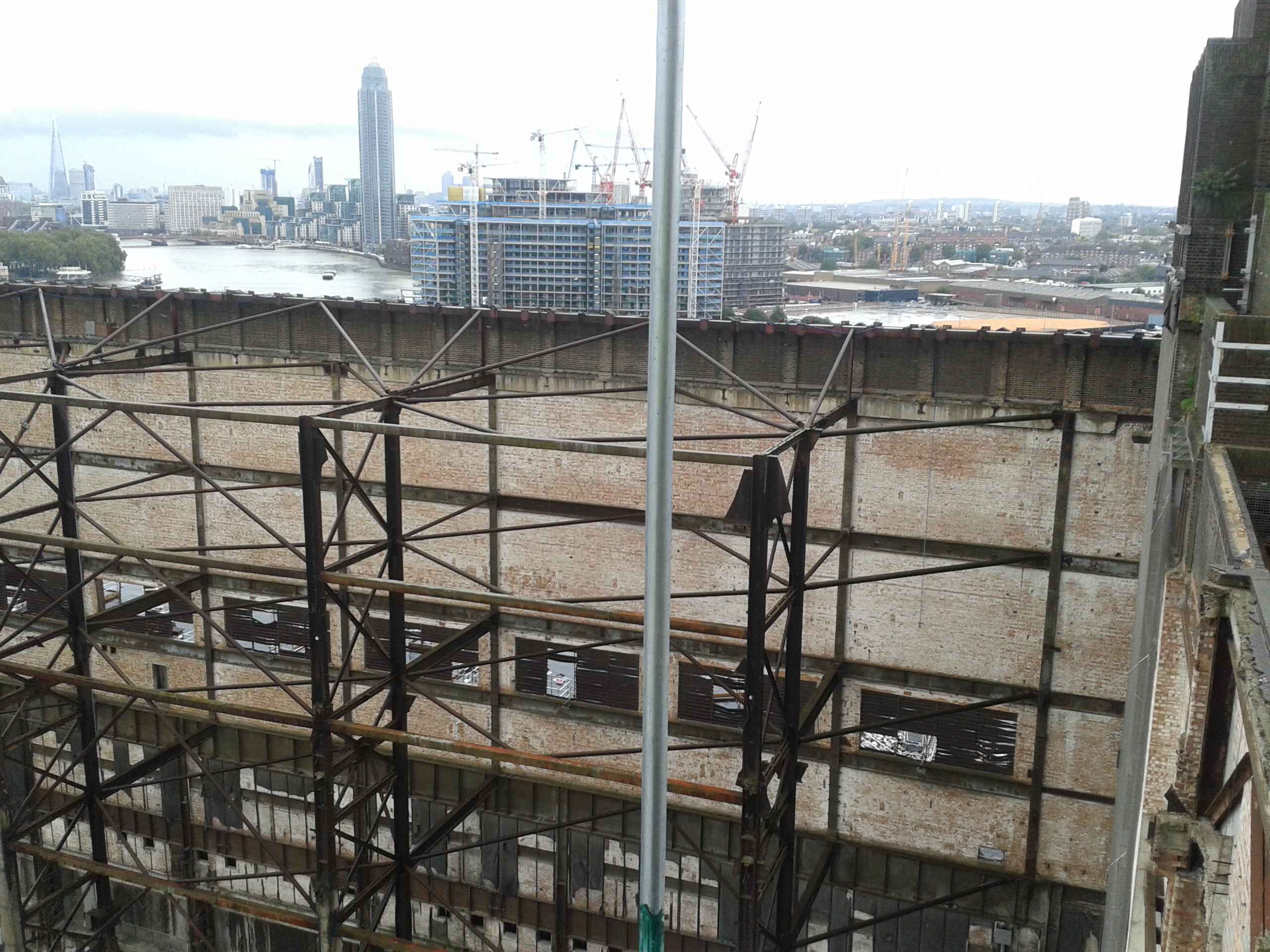
To get up the chimney you first catch the hoist up to the 14th stop which takes you to a level of scaffolding around the top of the brick wash tower. From there you climb up a couple of platforms via ladders until you are on the large protective platform that is designed to contain any spoil which falls from the demolition of the chimney. Even from there the view is pretty good and you can see what remains of interior of the steel framed-brick clad building.
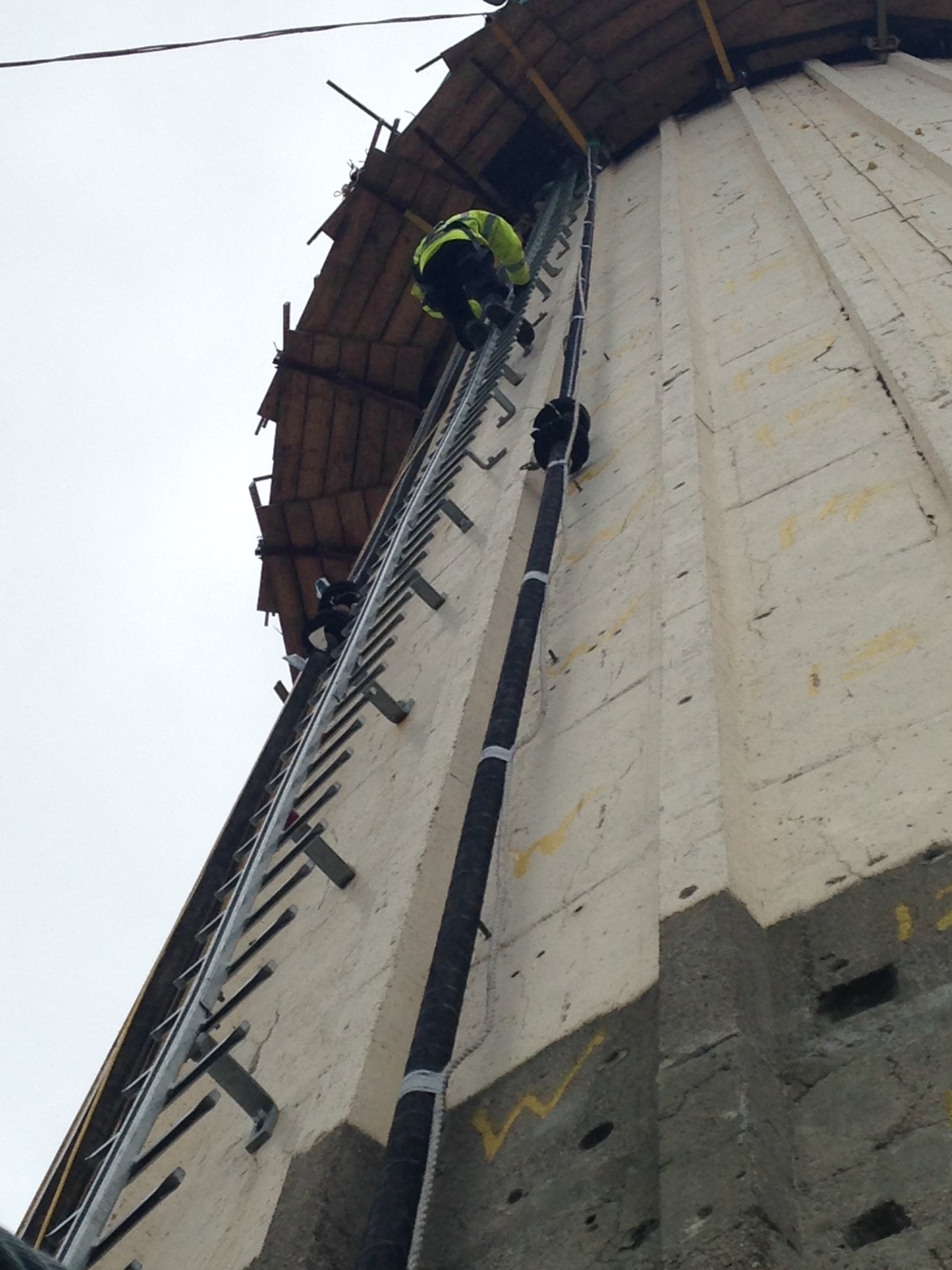
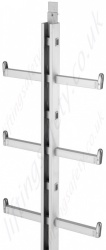
If that wasn’t enough to trigger a bit of vertigo, the really exciting part comes next with the ladder of doom. The only access to the top of the chimneys is by a “Y-spar” ladder that has been bolted into the good bits of concrete. It wasn’t quite as hairy as the Via Ferratta on the Camino del Rey in Spain but it certainly got the adrenalin going!
At the top of the chimney they have two circular platforms which can ‘climb’ up and down the chimney using hydraulic actuators on the bottom platform. They act as compressive bands around the chimney providing support keeping the concrete in compression. Hoists and other access methods were not used as vibration and differential loading could cause the 80 year old concrete to continue to crack and spall. Prior to the breaking of the concrete the interior of the chimneys was sprayed with a sealant to prevent the tiles which line each chimney falling off and to seal in any contaminated particles. The original plan was to use hydrualic concrete breakers on Davit arms on the top platform to crush the concrete and the reinforcement was to be cut using hand tools. The broken pieces were caught in the centre of the chimney in a collection funnel which then travelled down the centre of the chimney into the building. The pictures below show: 1) the breakers, 2) the chimney rebar, tiles inside the chimney and top of the collection funnel, 3+4) the funnel chute inside the chimney.

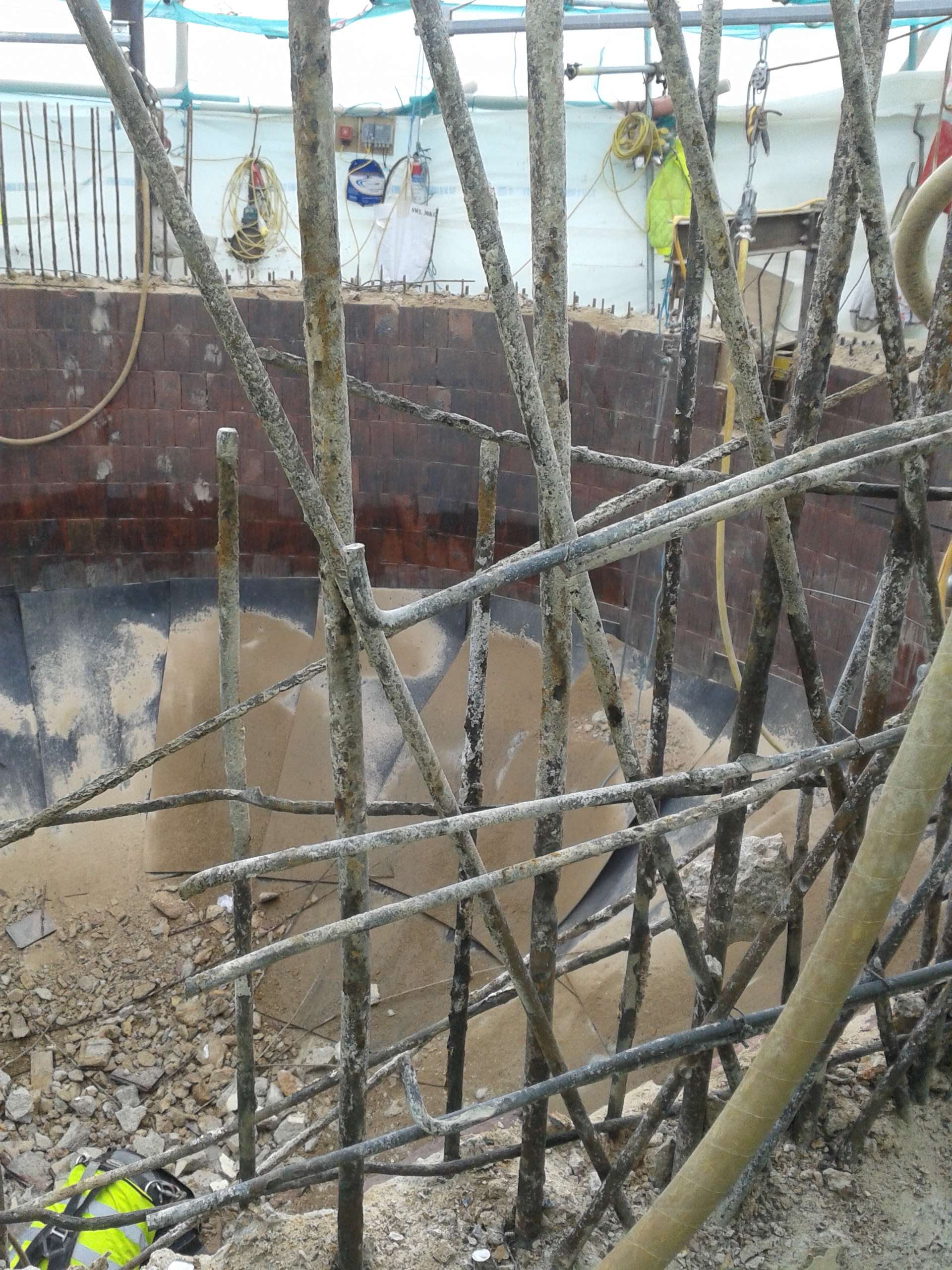
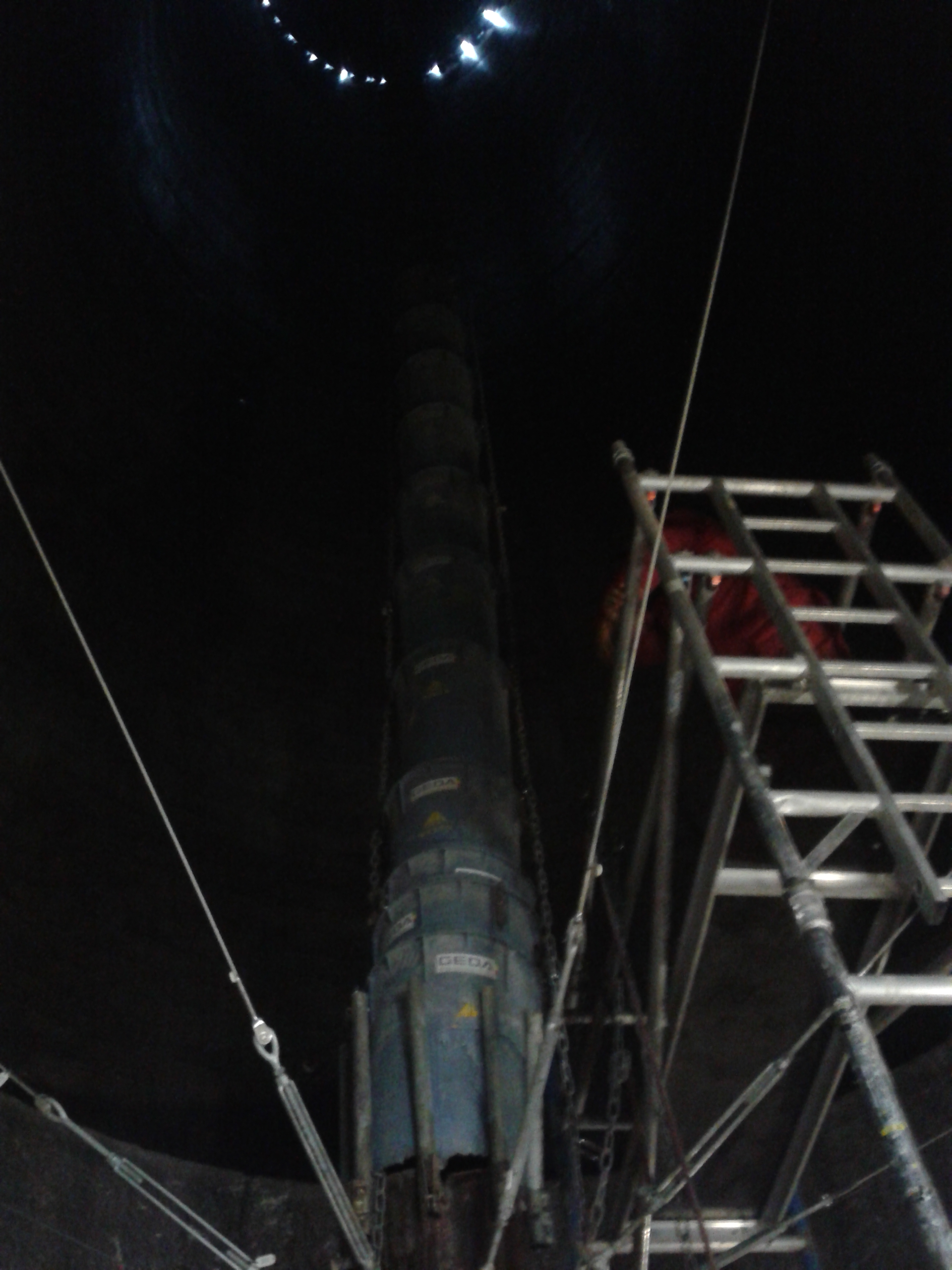
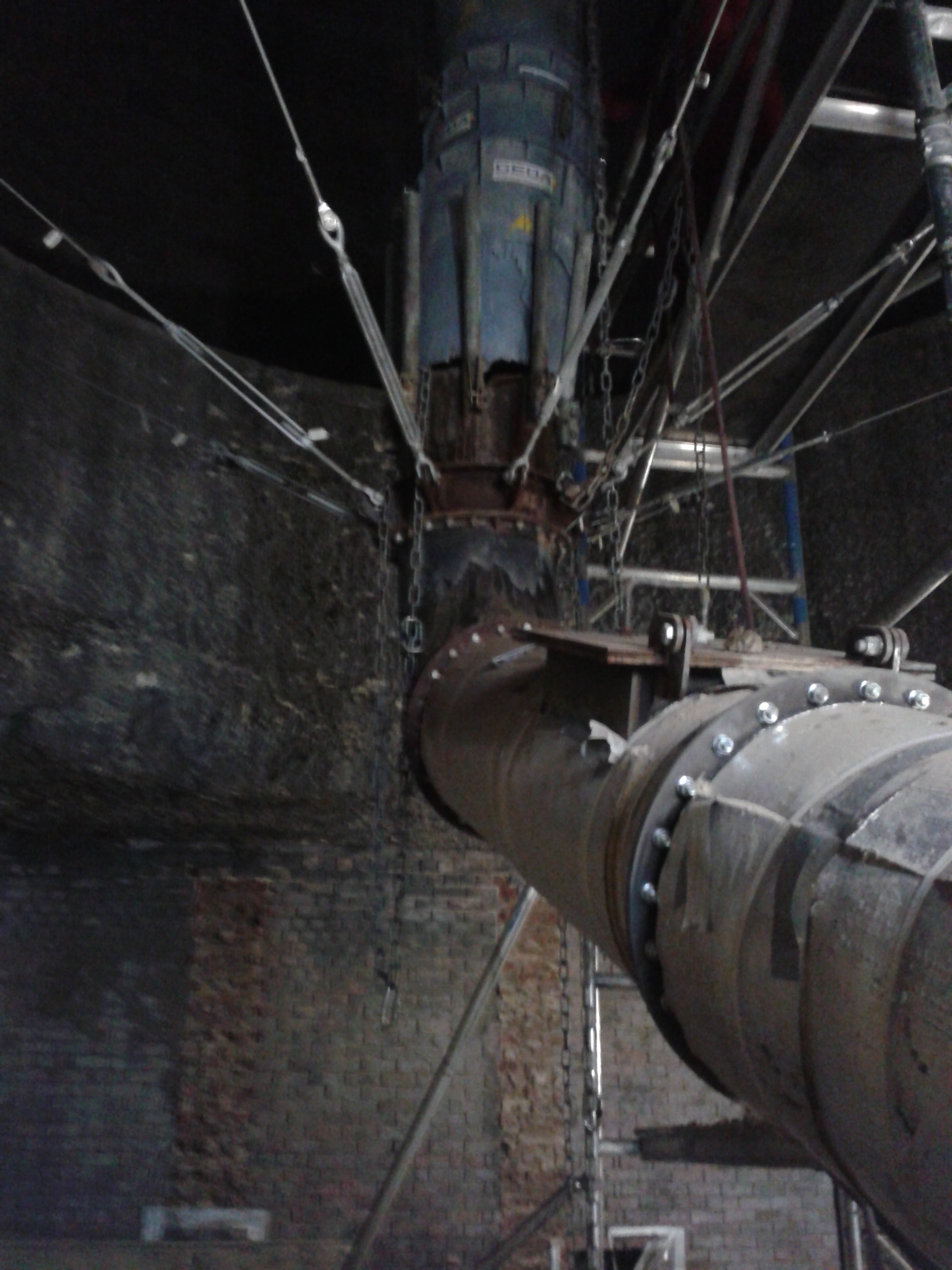
The dense lattice reinforcement meant that the breakers did not work effectively and the concrete did not separate from the rebar easily. The process was proving to be too slow so they switched to using pneumatic hand breakers and circular saws to break the concrete and cut the rebar. The process is quicker but more operatives are required due to the time limitations on the equipment due to the risk of HAVS.
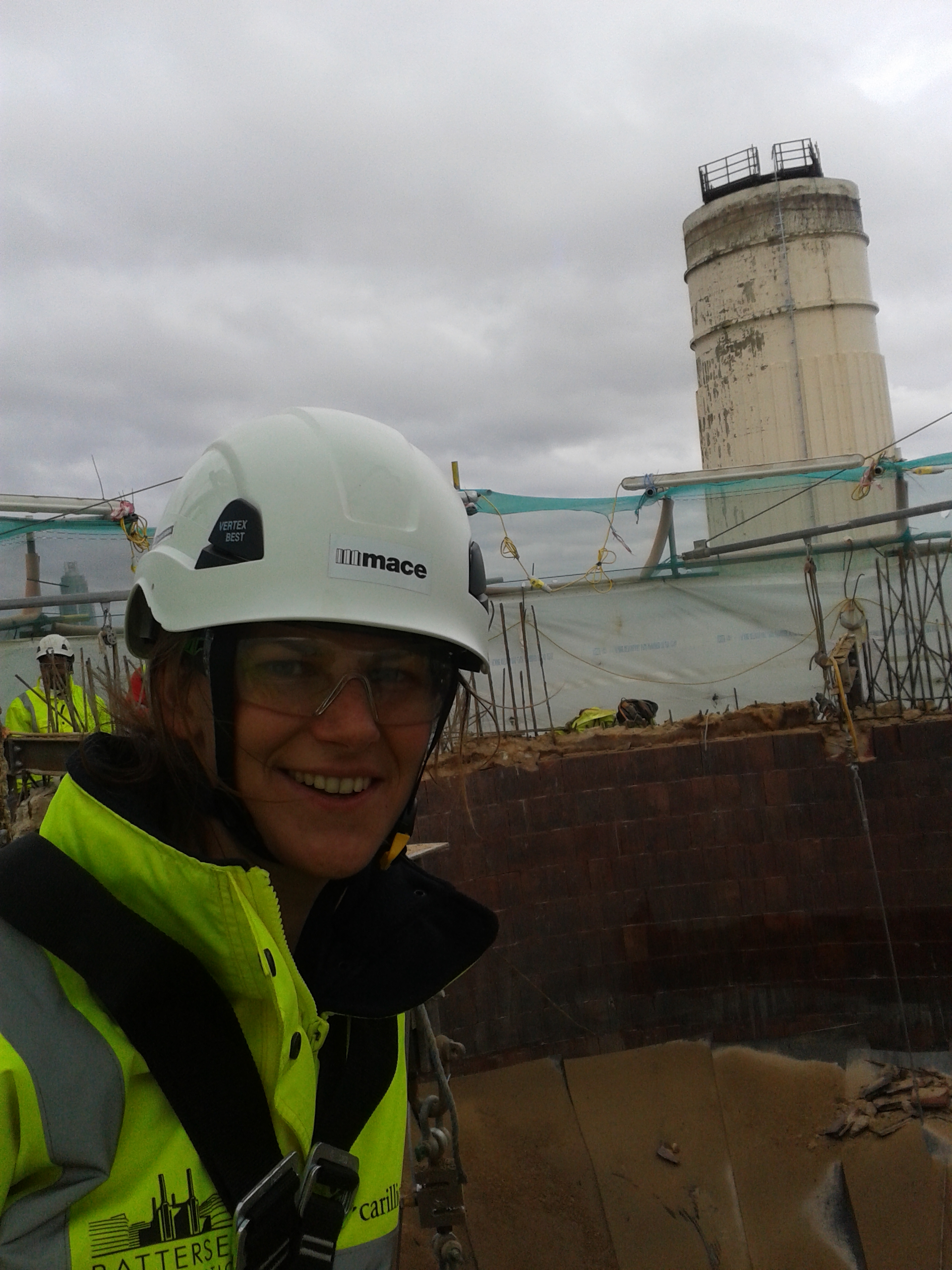
The chimney will be demolished until the final section where the client want to keep a full section for display. It is yet to be decided how this will be achieved! The chimney will then be rebuilt using the jump form technique in 1.2m (4ft) sections to achieve the same ‘day lines’ as the original chimneys. The paint has already been matched and a small concrete batching plant inside the building will be used to produce their own concrete. Once they have built 25m of the first chimney, they will have the planning permission to continue with all 3 of the other chimneys concurrently as the cost and methodology will be proven. They are already looking into other forms of mechanical breaking rigs for use on the other chimneys to speed up the process and reduce the use of hand held equipment.
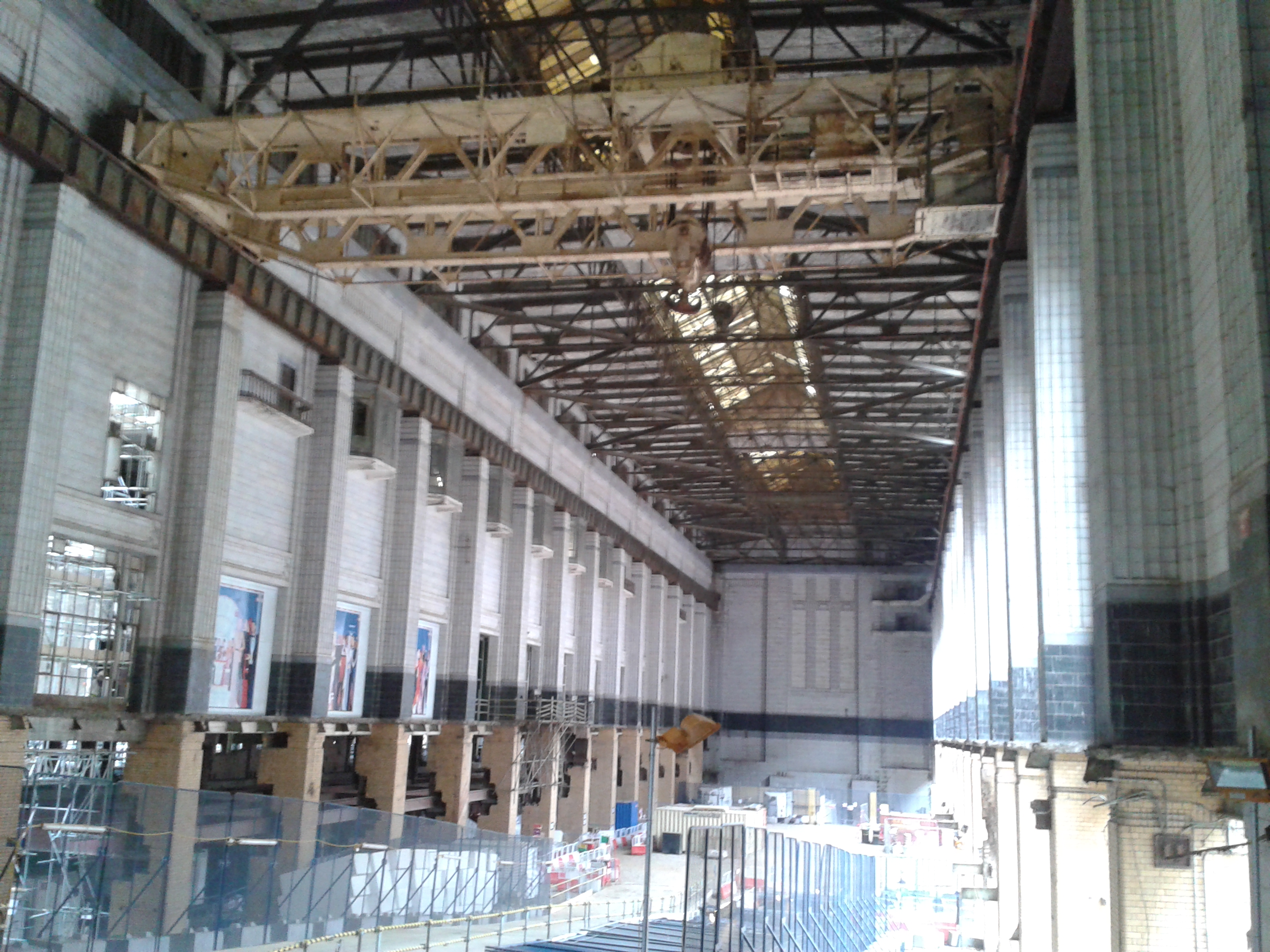
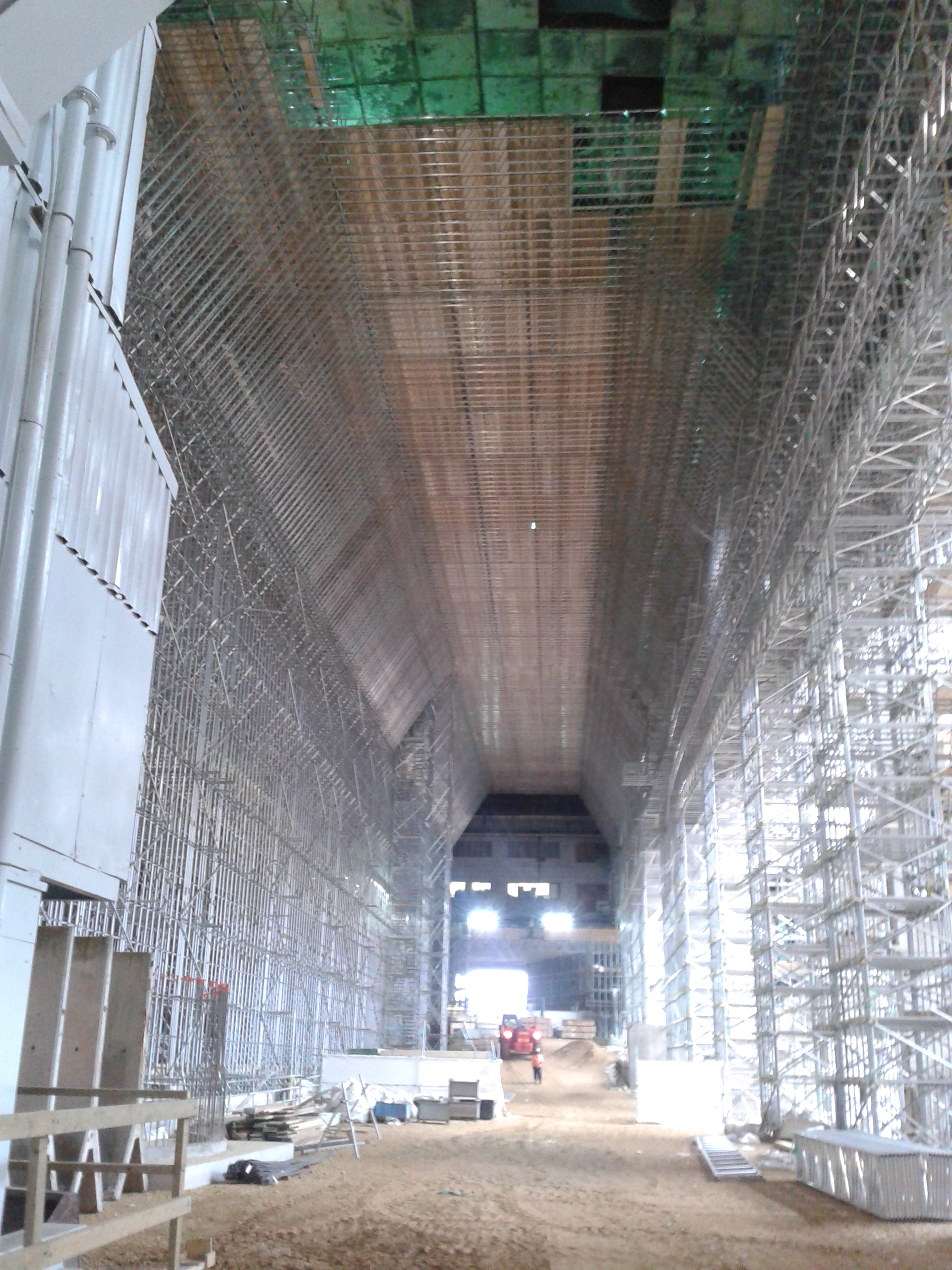
I was also shown around the main turbine halls which will be being refurbished. The asbestos has been removed and work has started on erecting the scaffolding to repair the roof. Even that is an impressive structure that I would not like to do the temporary works design on!
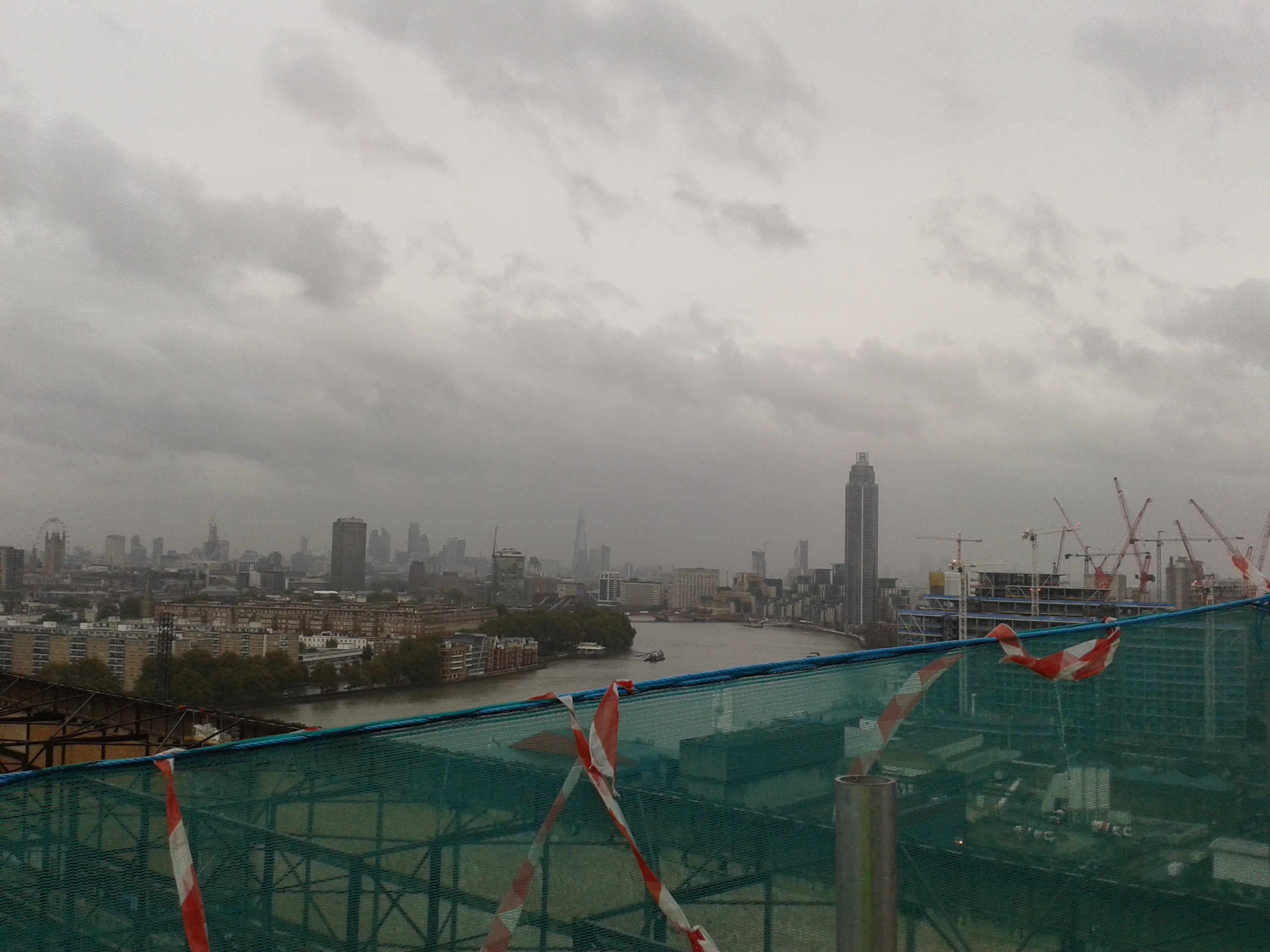
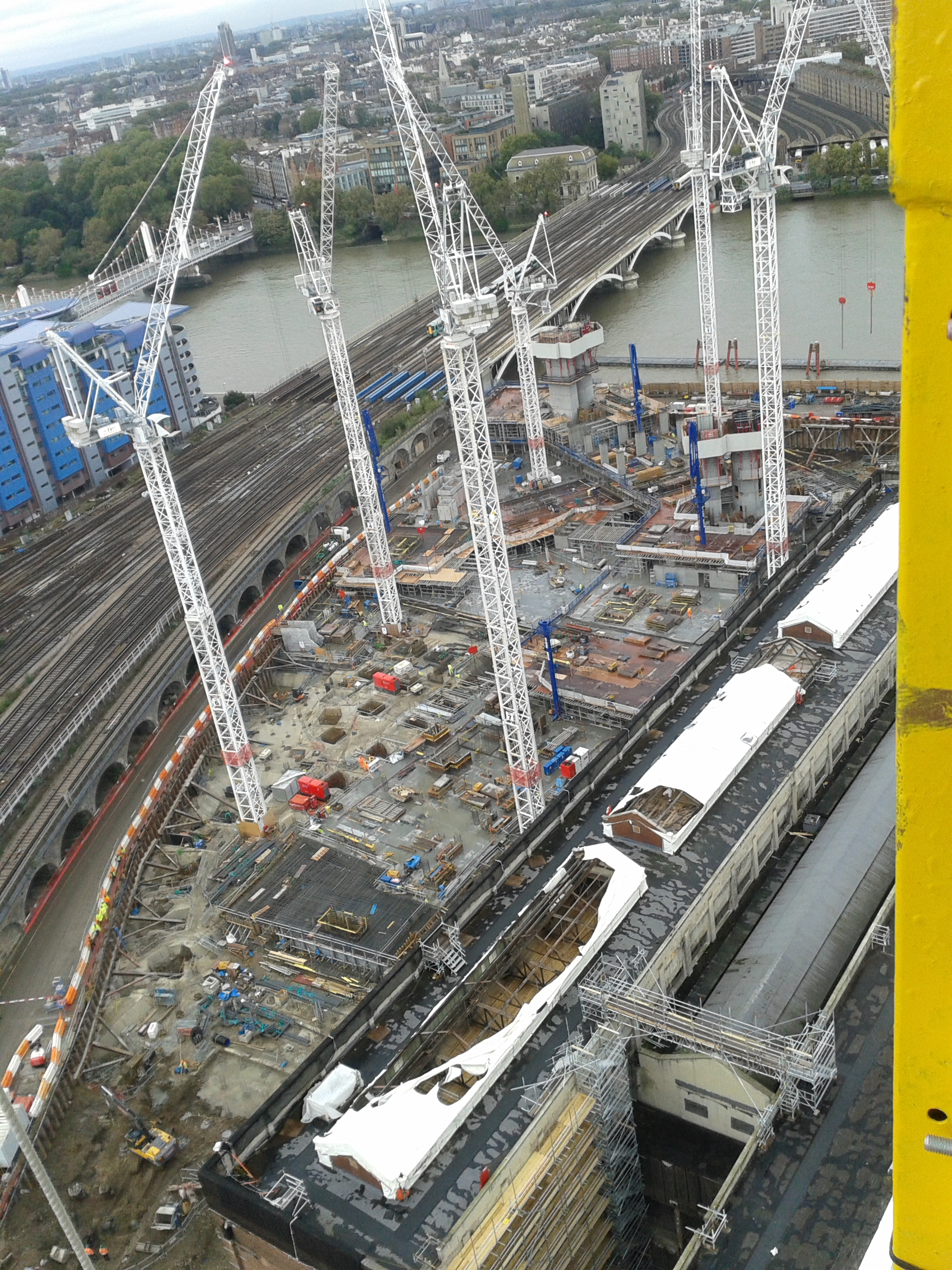
The trip up the chimneys also provided a good vantage point to view our construction site with Block G looking like Ex Cofferdam and my Network Rail Road standing proud along the main site.

Back to the real world and my construction site. Well we hit a major milestone with the HV being switched on the other week-only 6 months later than planned! We are also near to getting the approvals for the microboring so work is likely to commence in the next couple of weeks. We also found out today that the Northern Line Extension contract has been signed by Laing O’Rourke and they have designed their escalator shaft to go straight through our HV cables, water supply and comms ducts despite them being a constraints drawing showing them! I think this project will be trying to dig up as much of the previous phases as they can as co-ordinated design doesn’t seem to be their strong point!
JHG learning from others!!
Information Communications and Technology (ICT)
The Fiona Stanley Hospital which is also a hospital built in Perth was completed in December 2013, it still has not open due to the ICT packages a State deliverable not functioning properly. This has been one of my major focuses for the past 6 to 8 weeks, ensuring we (JHG) deliver the ICT package early enough to the State to enable the State to have sufficient time to make Perth Children’s hospital (PCH) work. My main focus has been on the Central Communications Room 2 (CCR 2) and having it ready for commissioning on the 25th November 2014, which has involved all subcontractors from looking at UPS power, Critical Essential power, in row cooling, leak detection, fibre optics, copper cabling, earthing system and quite interestingly a carbon based anti static flooring. Which is has is a black carbon based primer which is the medium to conduct electrical current through it with a number of specific earthing points.
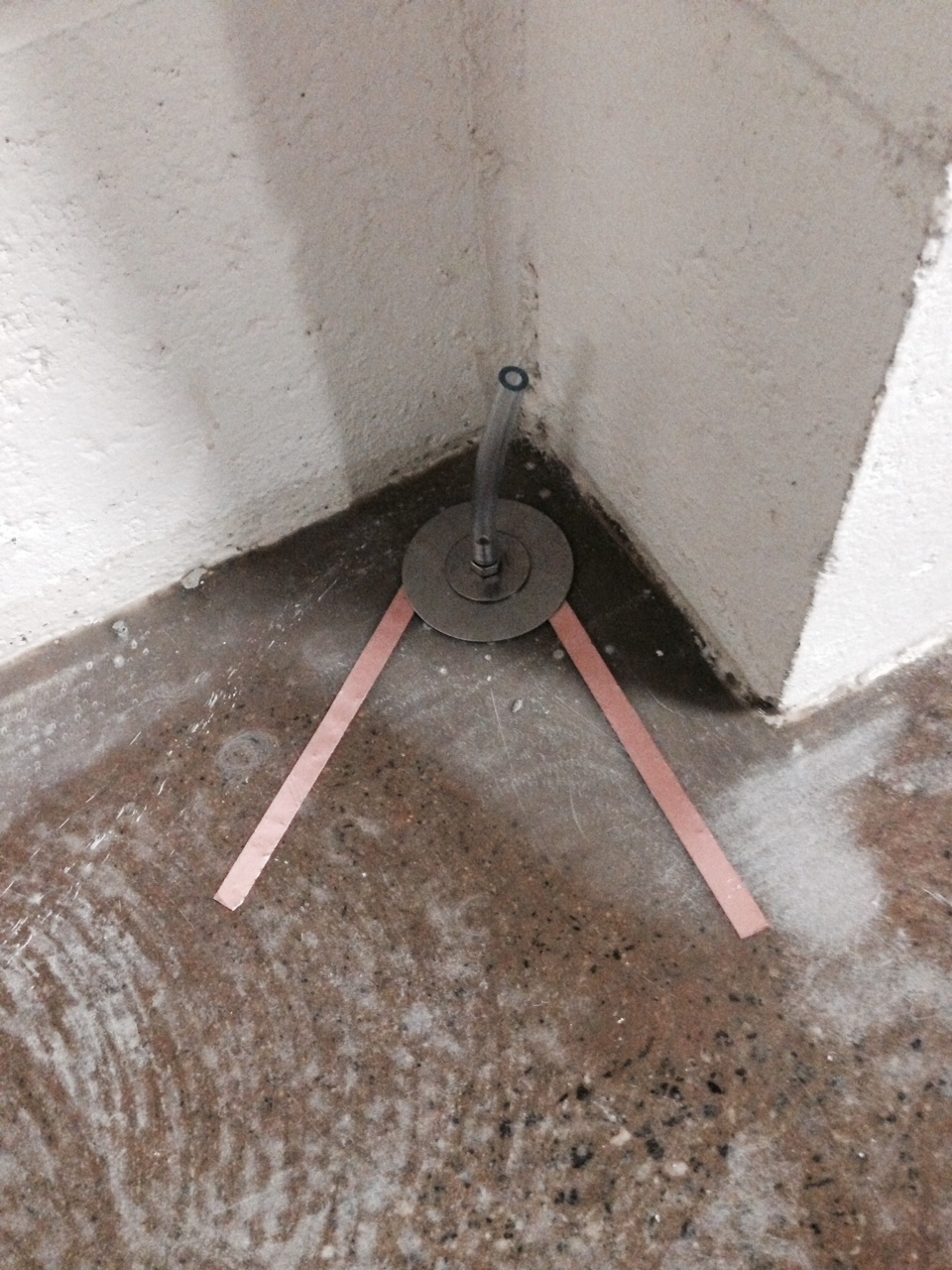
This system uses small copper strips and a conductive flooring which is a new system, compared to that of the existing systems which involved a full grid matrix of copper foil to interlink all the floor. The next phase is then pour and rolling the carbon based conductive flooring which is roughly 2-3mm thick and then do a physical test which is meant to represent the pressure of a foot and ensure the floor is conductive see photo below.
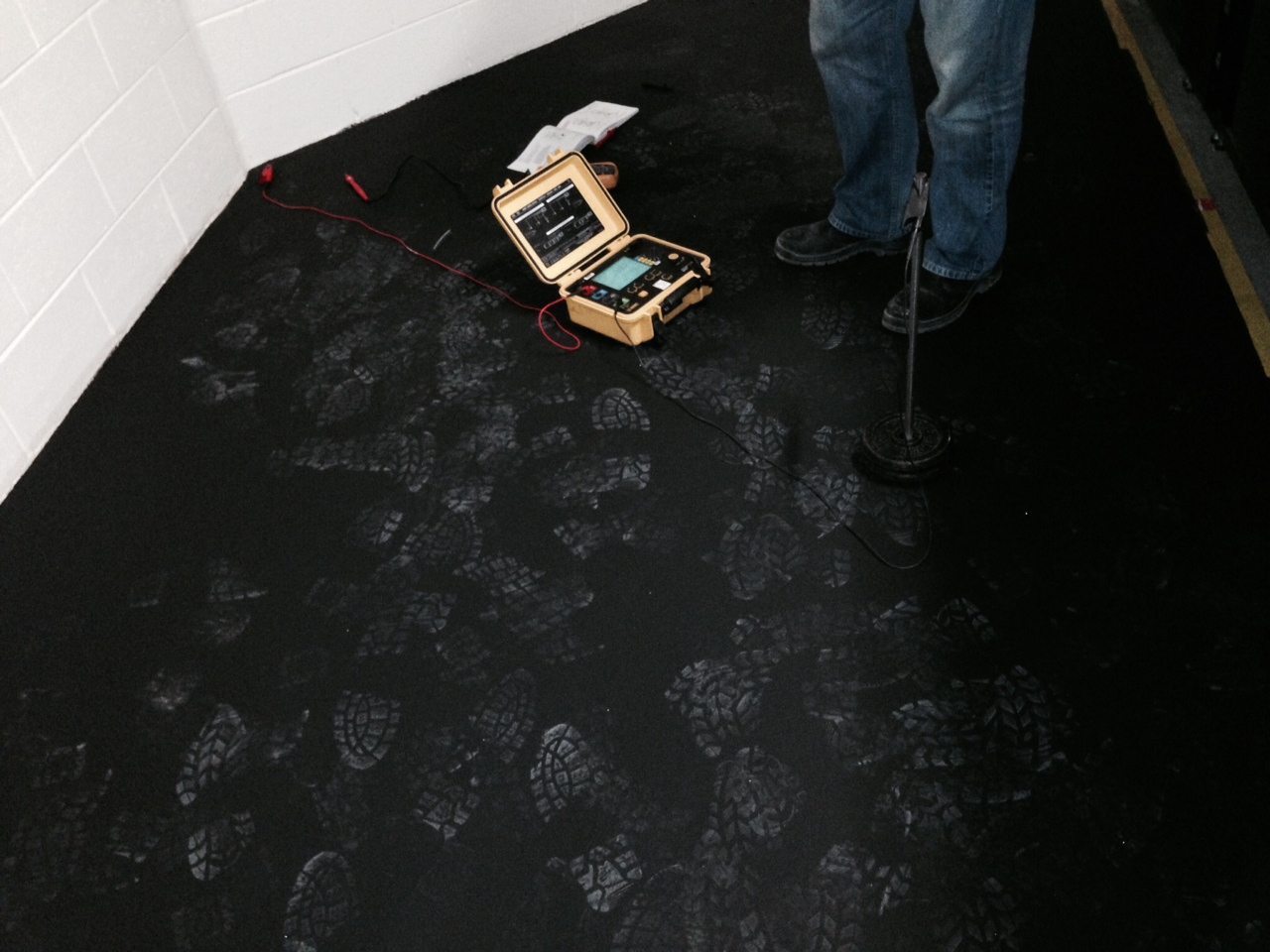 Quite an amazing product made by Sika the German paint company, I conducted the testing with Tercel the earthing company and it was an interesting experience. Below are a number of photo’s of CCR 2 including blown fibre tubing, copper interconnect cabling and all the electrical works to power the racks.
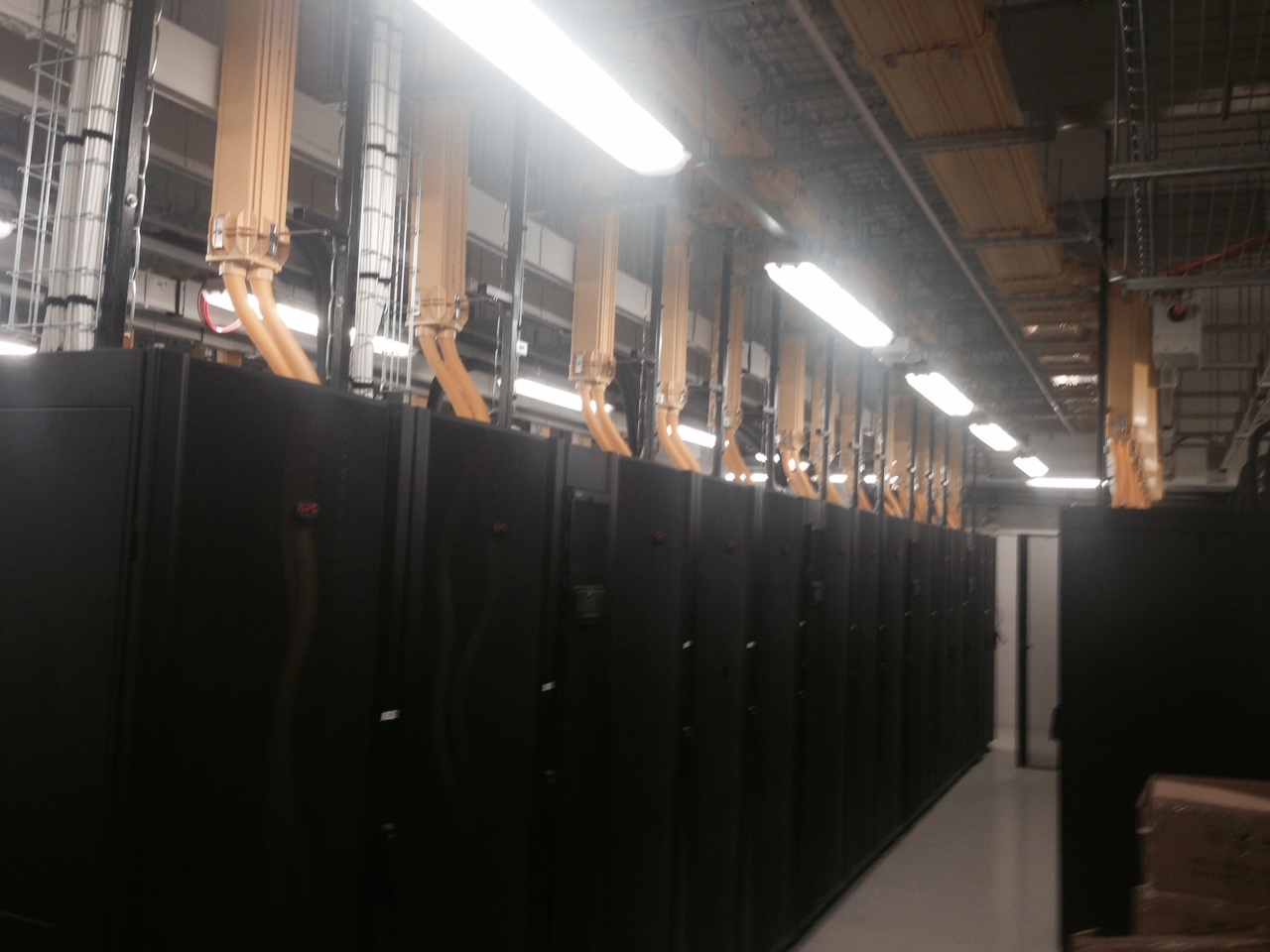
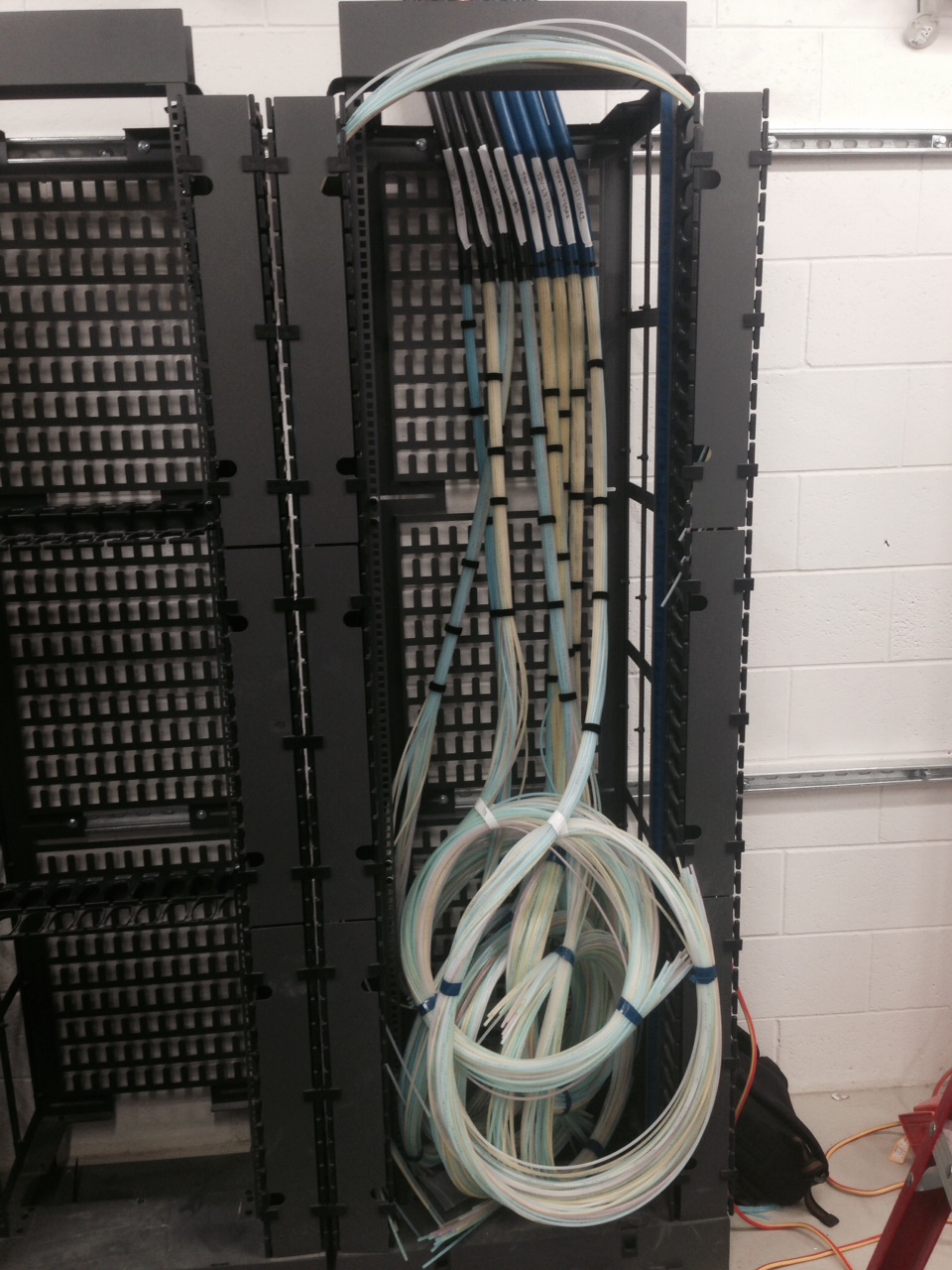
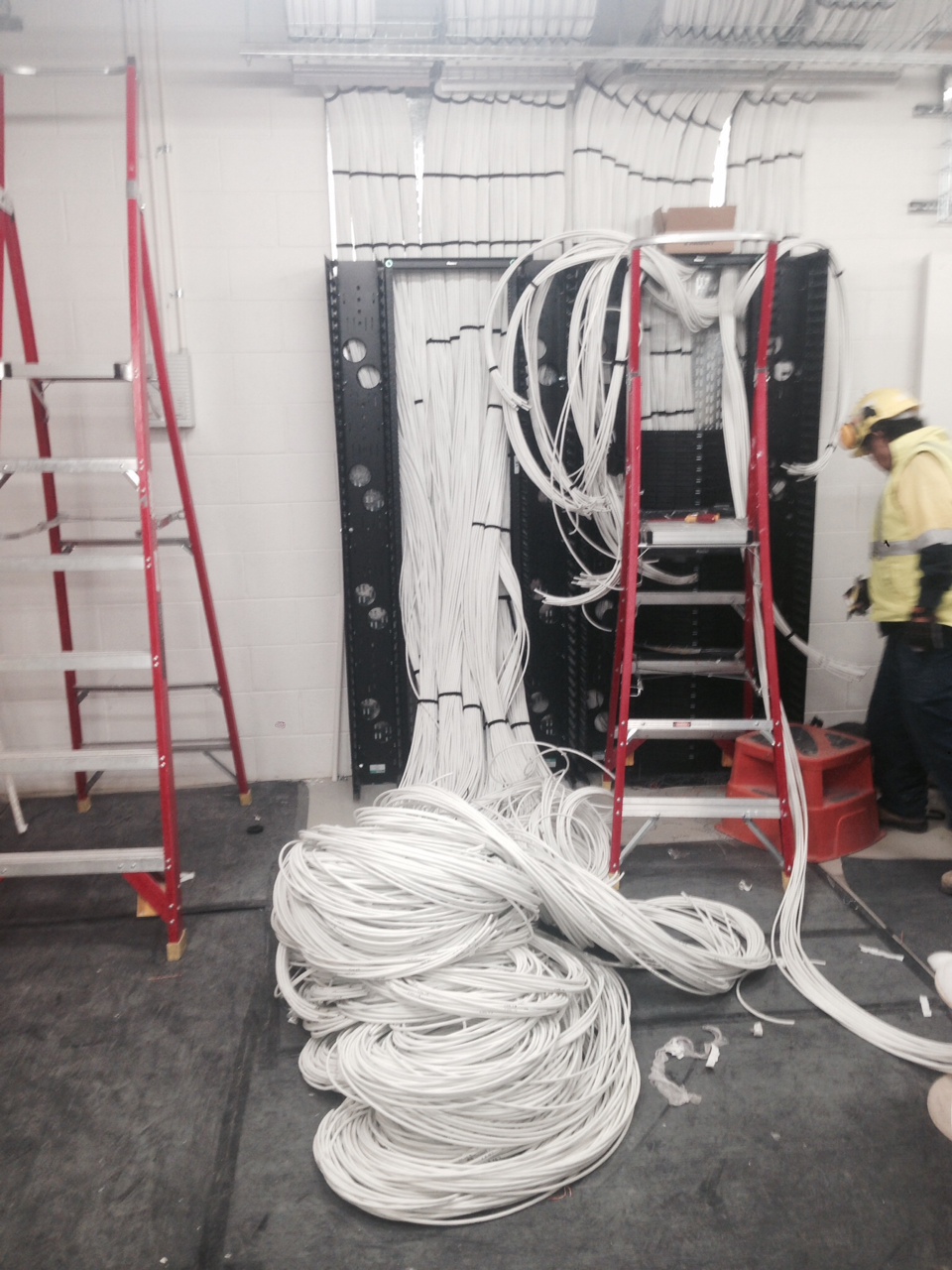
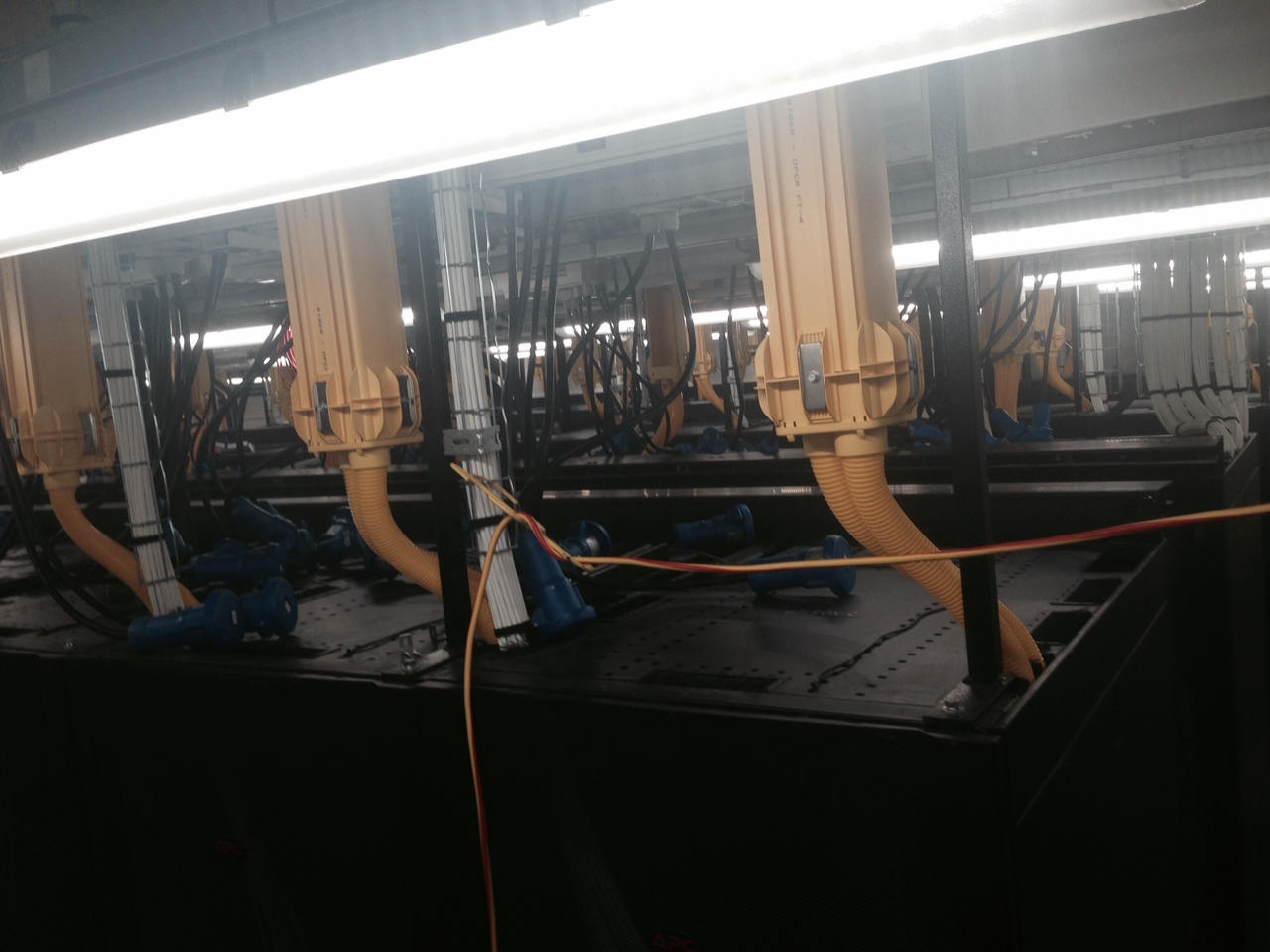
We have Power!!
On the 15th of September HV power was connected from the Central Energy Plant to the hospital a huge and extremely significant milestone for the project, this was the first piece of work which I worked on when starting the project. It involved a weekly meeting, factory acceptance tests of all LV main switch boards, air freighting equipment in from China and lots of hard work. It was delivered only two days after programme so a huge achievement by all involved. I have learnt a great deal about HV and the switching process and also Australian Standards on safety equipment and earthing.
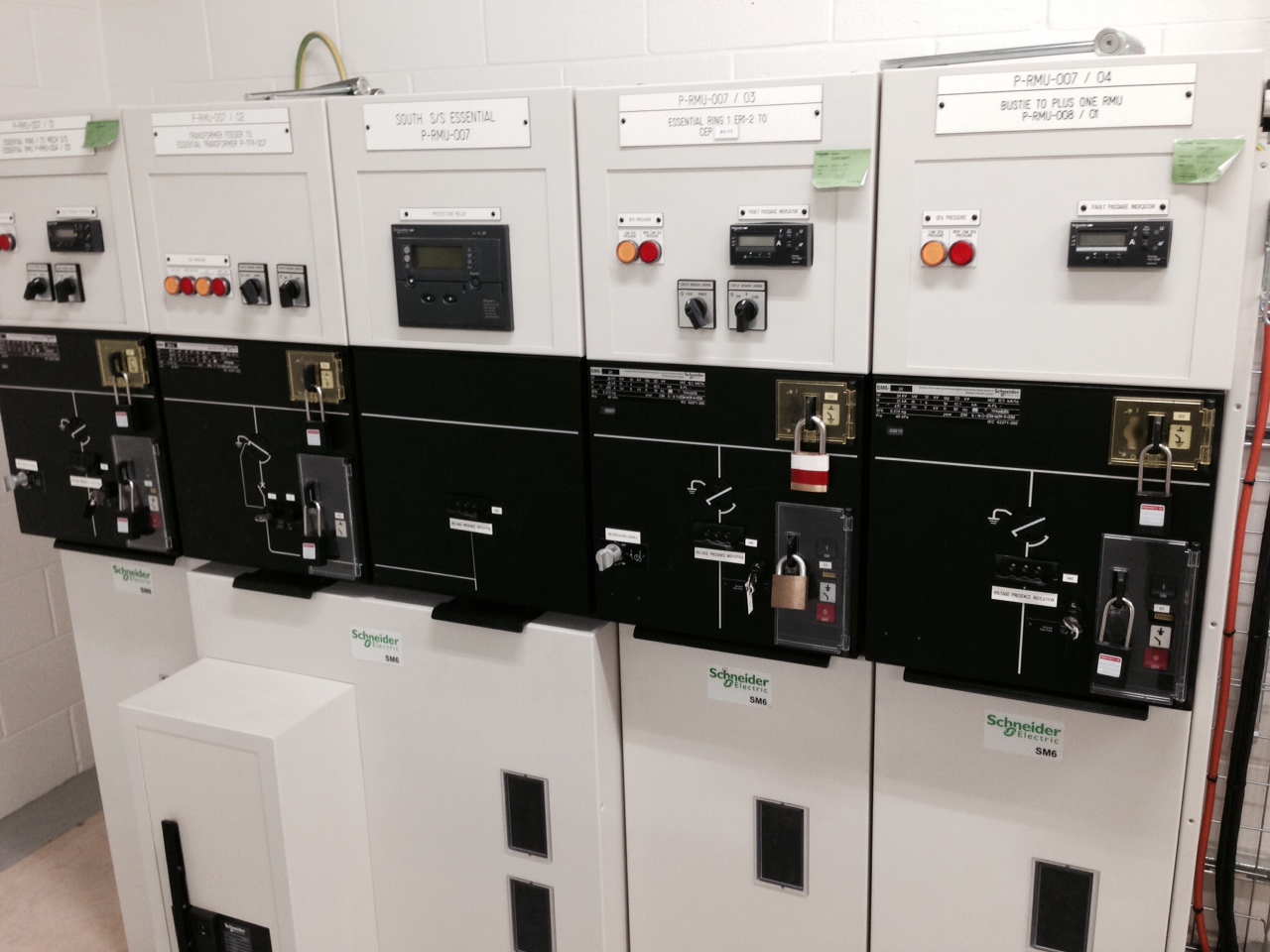 The first part of the process after everyone was content that everything had been completed, all the inspection and test plans had been signed, was locking out of all the HV switch gear in PCH, then with coordination to ensure all HV rooms where clear of people the switching process began. Photo below show the actual switching on of PCH from CEP.
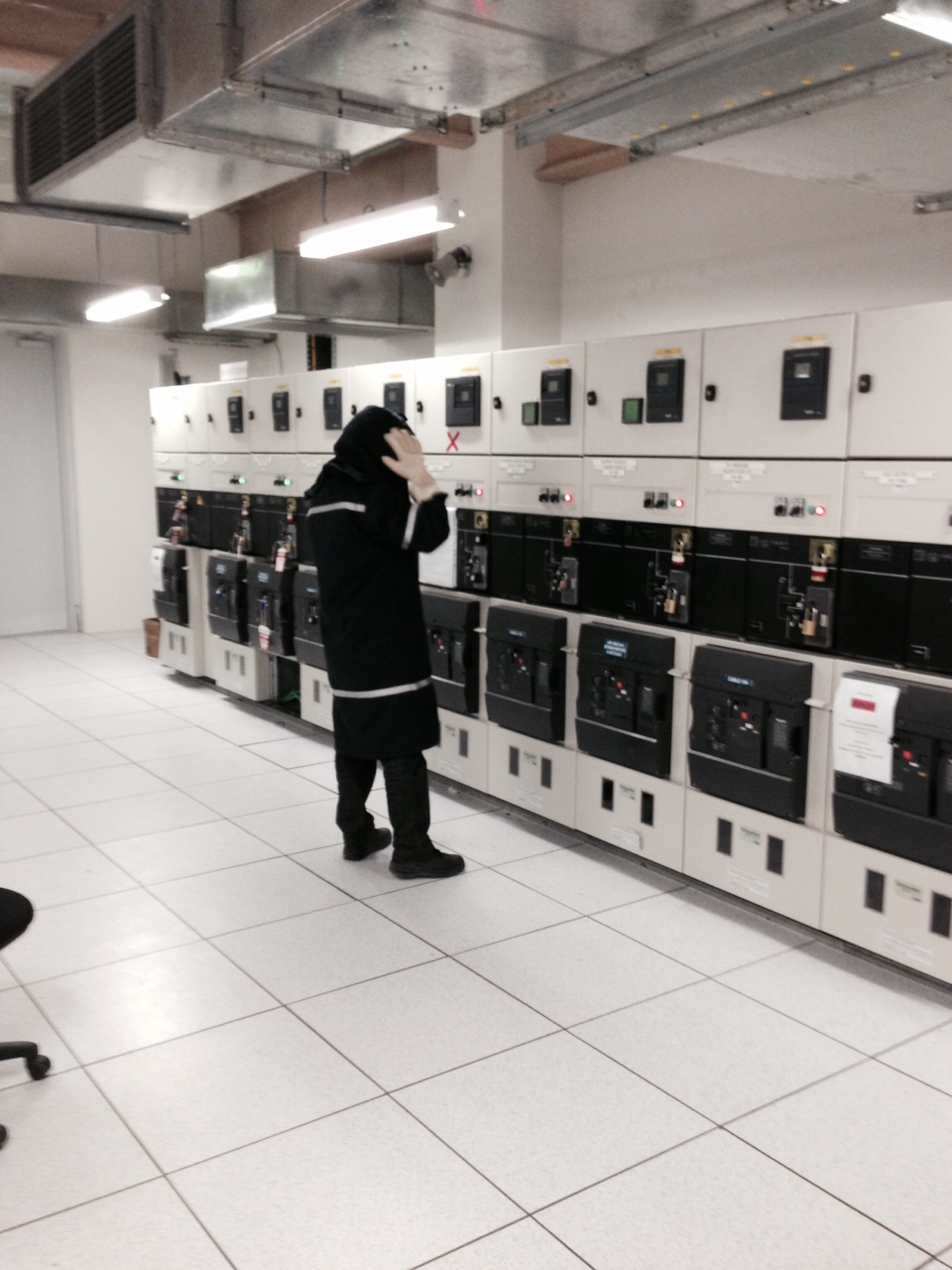
Mechanical subcontractor troubles
With continued trouble with the mech subbie, with no thought into how the large diameter pipework is being restrained caused a huge amount of problem, when they finally designed there support system and it was entered into the BIM 360 construction model. It meant weeks of modelling to get clash free before installation could proceed. This battle has continued with lack of documentation for welding certificates in line with the specification and the latest item which I have been investigation is all their commissioning sets being dramatically undersized. Looking at BISRA, CIBSE and the manufacturing guides lines valves on occasion where two or three sizes too small. See photo below for an example.
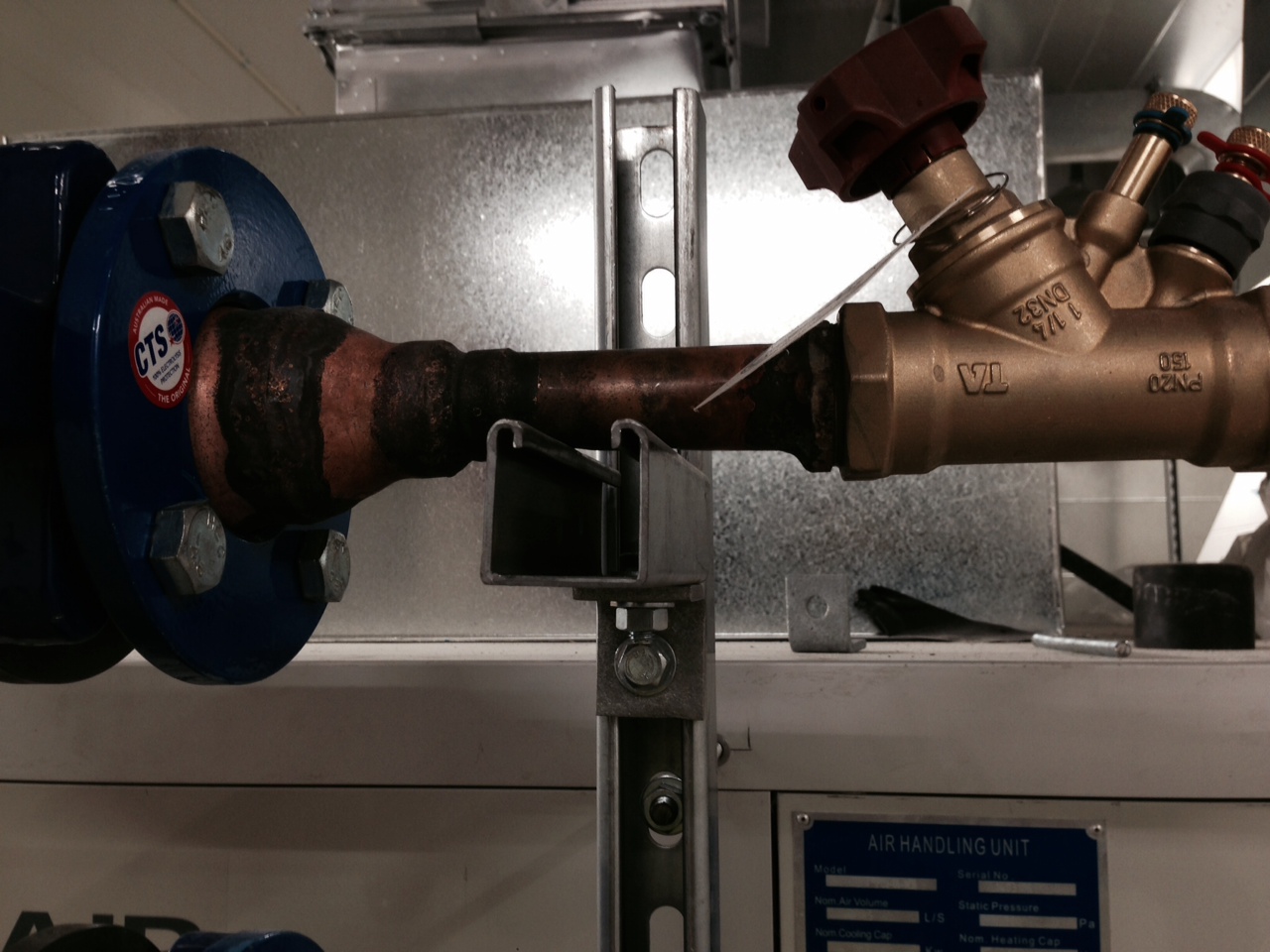 The pipe diameters where dropping from 65mm pipe to a 32mm commissioning set as can be seen above and the location of the commissioning sets and motorised valves are located to close to elbows, pipe reductions or locations which would cause irregular flow which would ultimately effect balancing and commissioning. The mech subbie now sadly takes up a large amount of my time due to the determination to cut corners, not build as per specification and proceed in areas which have not been coordinated correctly.
Aussie Living
On a positive note I am now swimming for a local club and will be going to the National Masters competition in Hobart Tasmania, Hannah has entered us both into a half Ironman in November great joy!! Hannah is also doing trails with the Australian Modern Pentathlon team. I am also still fishing 4.5kg snapper below and kiting when I can.
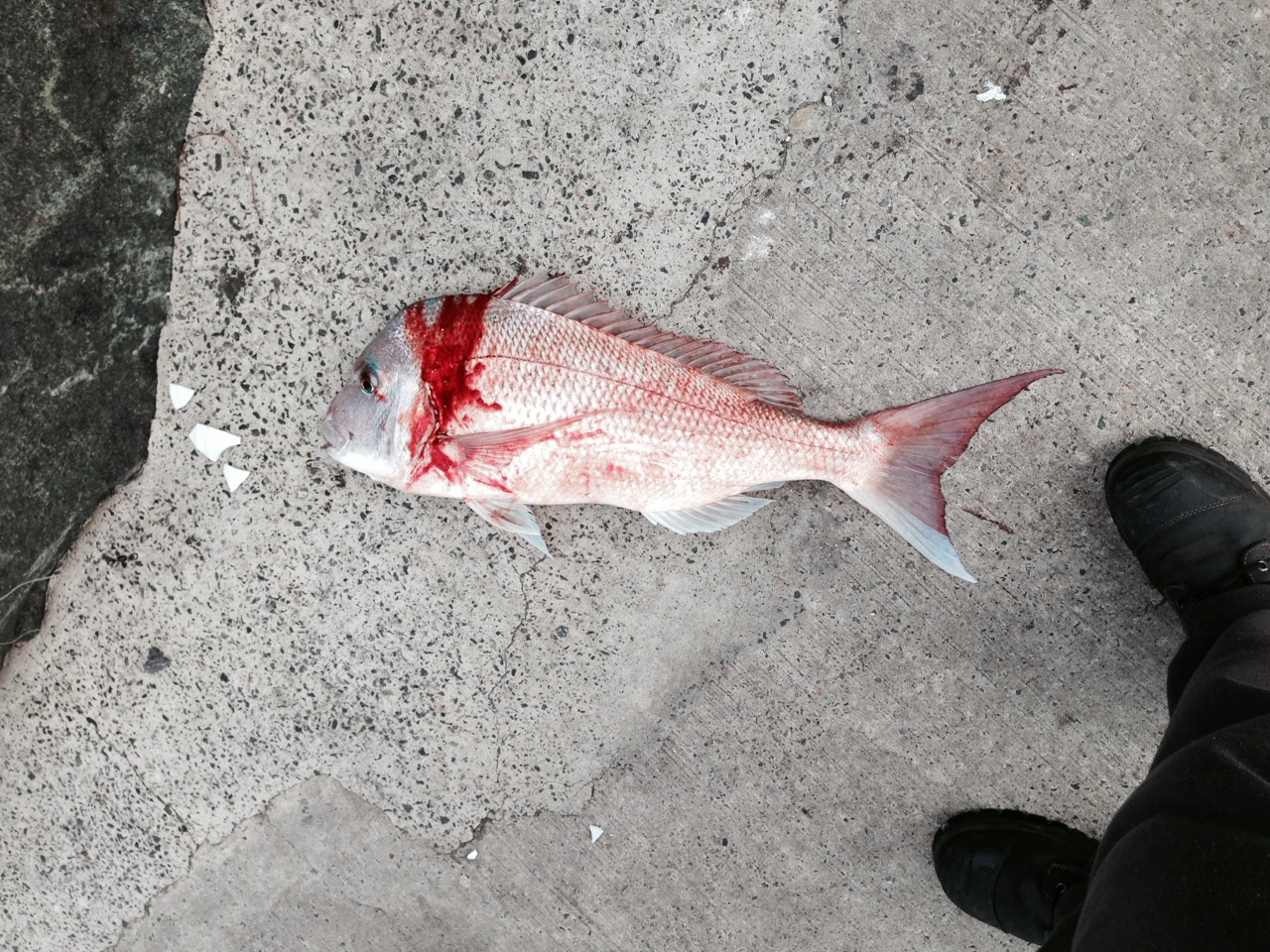
Only 12 x slower than the common snail.
The slipforming has commenced on site again for the four additional silos required for IRFT 2, the £60M variation order that includes all the associated infrastructure.
I have not been heavily involved in the slip, as I’m not in the section responsible, but I thought that it would make interesting reading and a good comparison to Rich’s earlier blog.
The silos range in height from 52.524m – 63.107m AOD and the actual slip height’s are 46.924m – 58.457m respectively. The internal diameters are 37.5m with a wall thickness of 450mm. Silo 6 (50.424m slip height, 2705m3 of concrete) was the first to be completed and it took a remarkable 168hrs almost exactly from approx. 0700hrs on Mon 29 Sep through to 0700hrs Mon 06 Oct, 3 days ahead of the programmed 10 days. That’s an average of 300mm an hour or 16.095m3 of pumped concrete an hour, only 12x slower than the common snail at 83micro m/s. The teams are currently running in 2 x 12hr shifts maintaining a 24hr continuous pour, 7 days a week. It is reputedly, the largest continuous pour conducted in the country this year. There are 2 sets of slipform equipment so within 30mins of completing silo 6, silo 5 was started. This will be repeated for silos 7 and 8 and should therefore be completed in 40 days and 40 nights of continuous concrete until over 10000m3 has been poured.
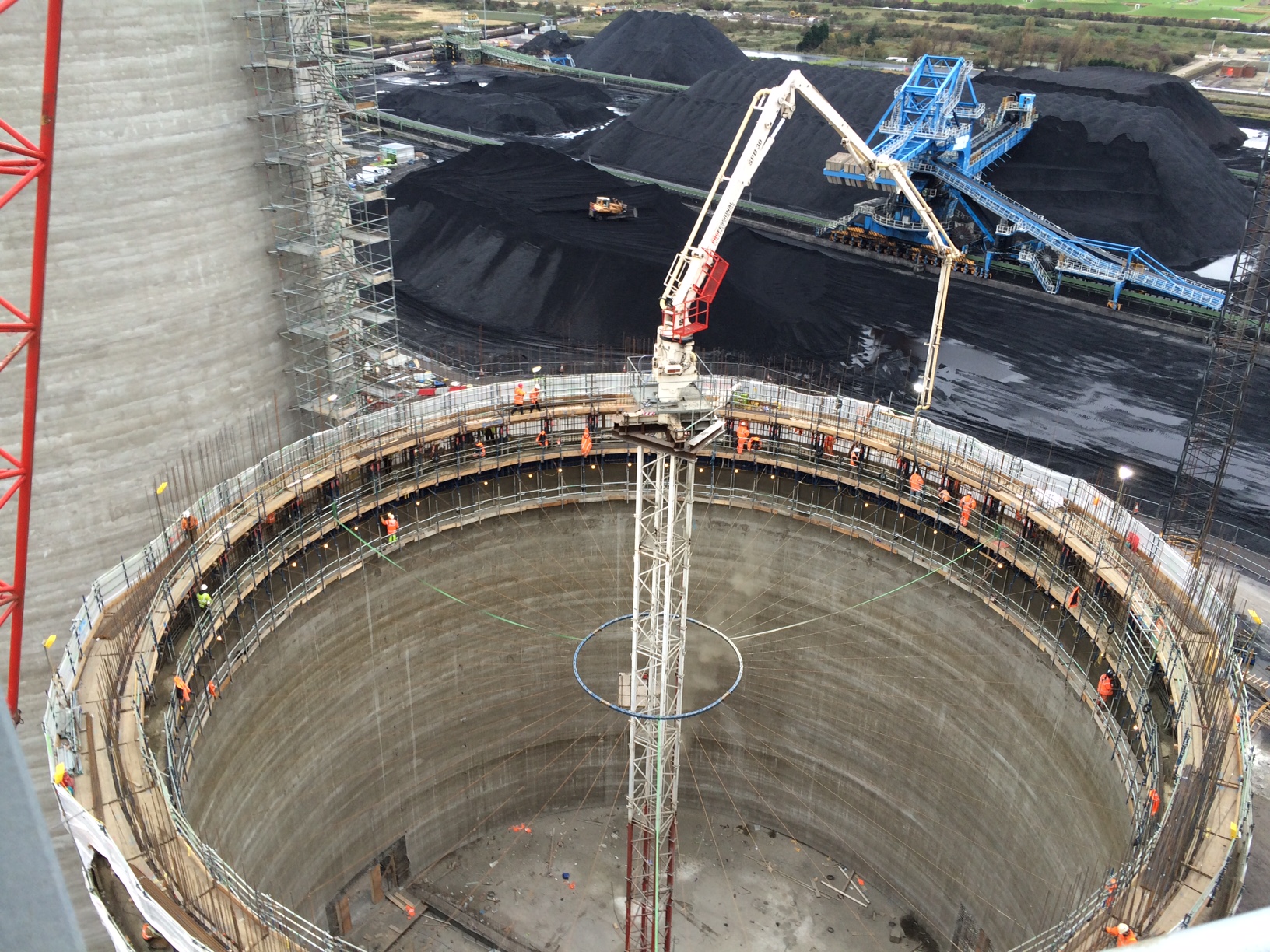
Inside the Silo slipform.
The slipforming platforms are on 3 levels. The upper level is used for the placing of the 20mm vertical steel bars (that are at 3 different heights, meaning only a third need changing at the same time) and the solid slip bars, that the jacks run up, that are placed inside the wall and cast insitu to be jacked out once complete. The middle level is the chaotic level (as Richard mentioned in his blog), where the concrete is pumped into the shuttering, the 25mm horizontal steel bars are placed and the actual slip is controlled. The shuttering is 1.2m deep. The lower level is used for rubbing down the concrete after the slip shuttering has moved upwards to create the specified finish. There are never less than 45 guys on the decks.
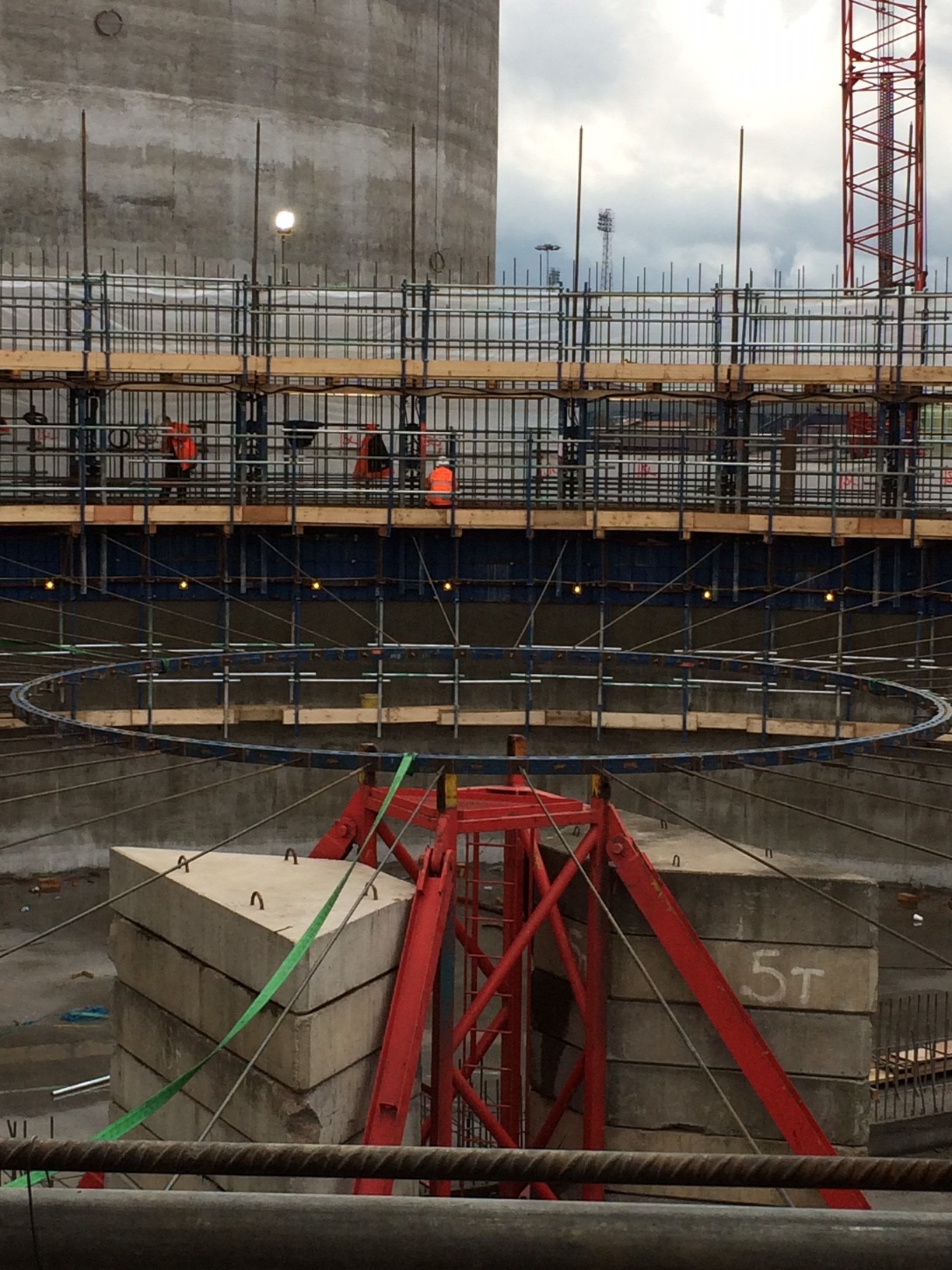
Slipform central ring.
The internal shuttering is held in position using a central ring with a number of post tensioned spokes running out to the shuttering itself. The internal shuttering in turn holds the external shuttering in place at the 450mm width required. The jacking bars that are placed internally into the wall, that allow the slipping equipment to raise up, are where the heights are transferred to allow the engineers to control the move.
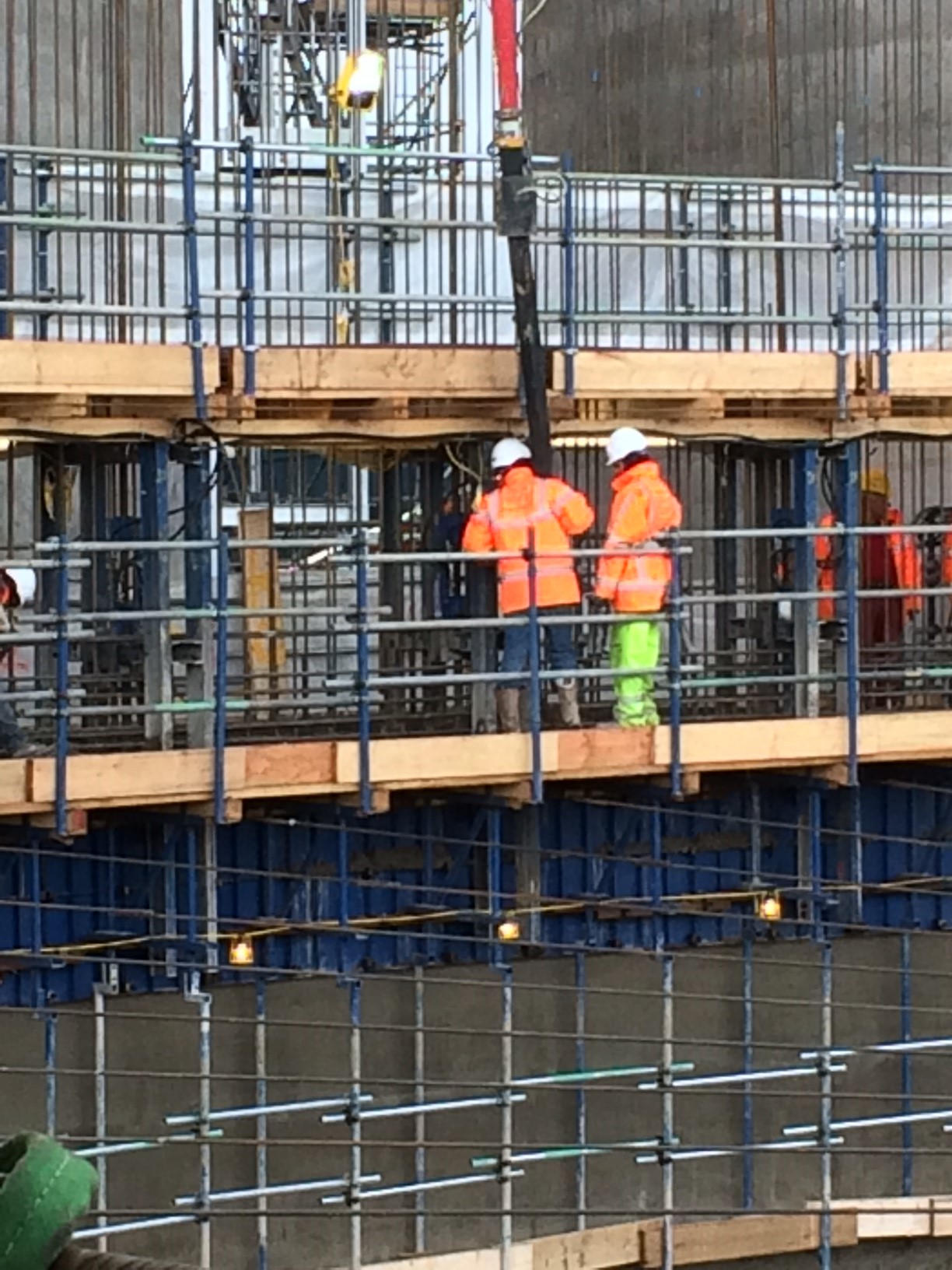
Level 2.
The concrete used is a rapid setting specification and one of the main reasons the first slip was completed so quickly was due to the high ambient temperatures seen during that first week in October. As the shuttering was 1.2m deep and the teams were slipping at around 300mm an hour the concrete was reaching sufficient strength to be slipped out of the shuttering within 3hours. The concrete strength is tested in a highly technical manner prior to it being slipped out of the shuttering. A 1.2m piece of rebar is pushed into the concrete until it will go no further, if 300mm was left protruding the equipment would slip 300mm. The bar would dictate the amount of slip. The entire structure was completed with the concrete placed on day one having only just reached its 7 day strength when the structure was completed. I have not seen the 7 day cube results yet.
The silos were tendered on a fixed price contract based around a 10 day completion per slip. The concrete sub-contractors, IFL, completed the first slip 3 days ahead of the priced schedule and its estimated that the wages alone amount to £10000 a day. Therefore the subcontractor has made at least a £30000 saving on wages during the first slip. However it may not all be profit as 13 of IFL’s workforce were arrested coming into the port for their Saturday nightshift by Immigration Officers. The Indian gentlemen may not be returning in a hurry and IFL may have to reinvest their profits into the Homeoffice to pay the fines. We’ll wait and see but I’m not convinced they care as another mini bus full of replacement Indian labourers turned up on the Sunday morning! Either way the concrete foreman is currently running on redbull and pro-plus to ensure that the 3 remaining silos are completed ahead of schedule to guarantee his substantial Christmas bonus.
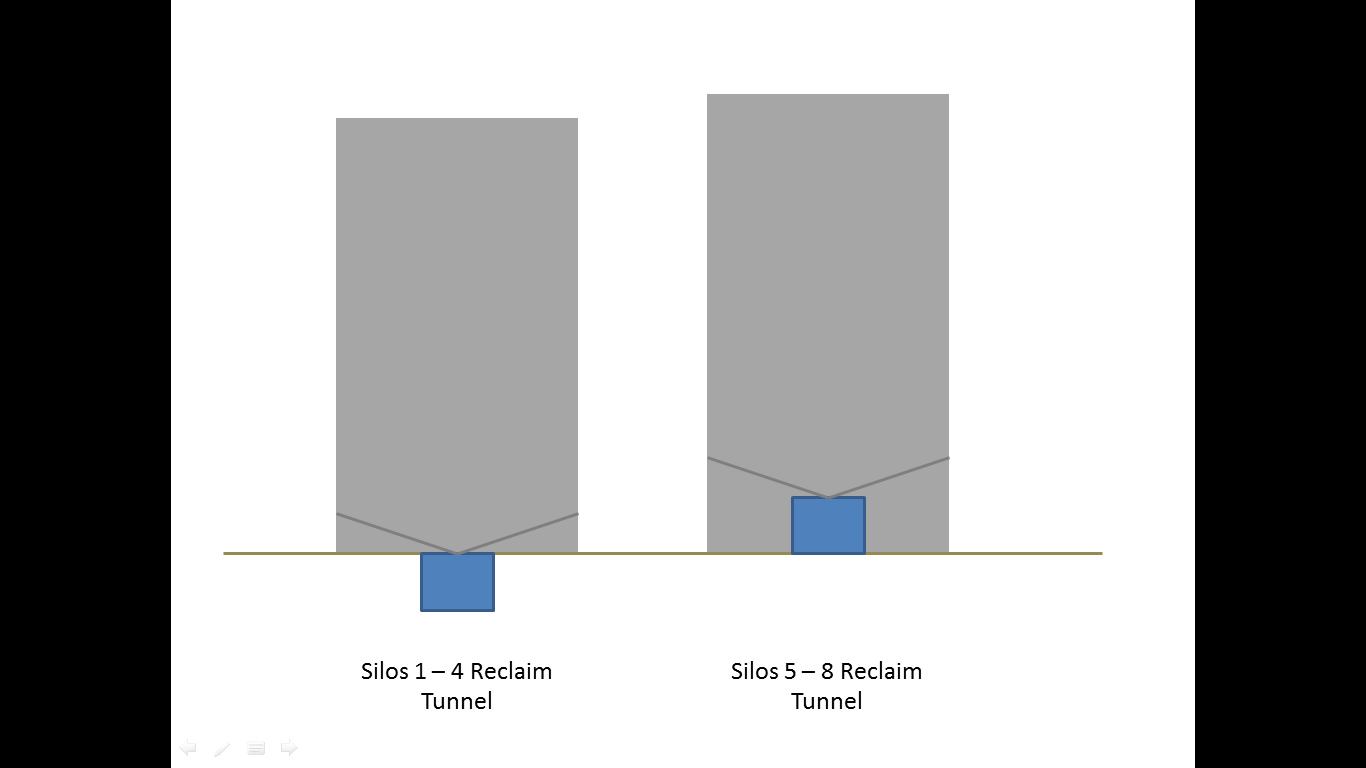
Silo Reclaim Tunnel Re-design.
As an aside, the original silos underwent a fairly detailed cost analysis to verify a proposed design change for the latest ones, that would mitigate the risks in the ground. The reclaim tunnel that runs underneath the existing silos was placed inside the new ones. Essentially the cost of the additional silo height required to maintain the capacity and extra fill for placement of the vibro-panel floors was less than the ground works associated with the excavation of the tunnel and the post construction dewatering maintenance costs. It also reduces the risk for Graham. There are only 3 access voids left in the silo walls during the slip. 2 for the new tunnel positions and one higher up for the back fill of stone, concrete flooring and vibropanels. These limited voids, go some way to explaining the speed at which the silos have been constructed when compared to Rich’s tower block.
I have spent some time working on the slip to get some additional experience but its generally a stressful area that is best avoided, especially in poor weather conditions. It wont be much fun up there with the dregs of Hurricane Gonzalo expected tomorrow.
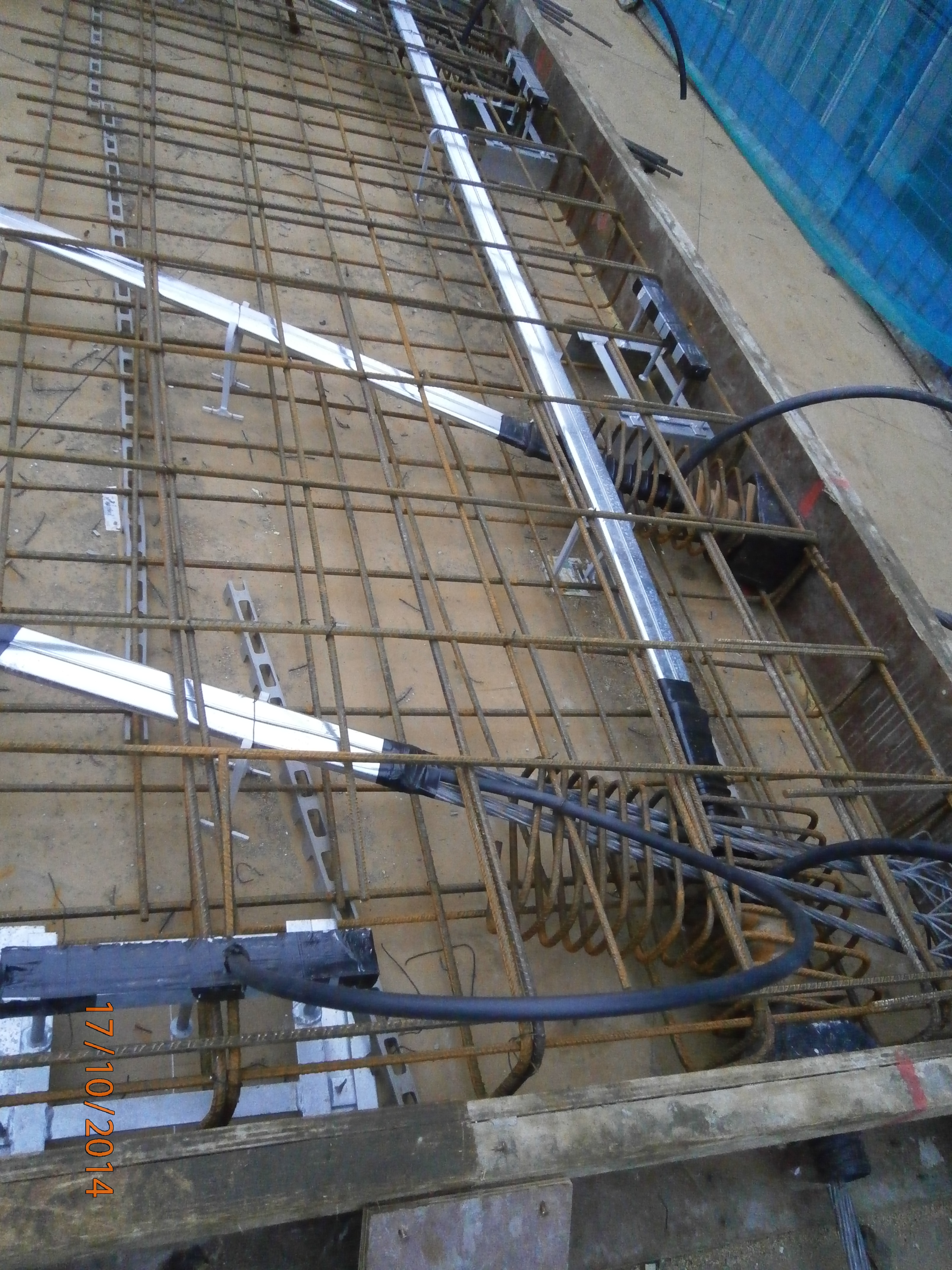
PT slab – Live end with ducts
In response to Rich Farmers comment on ‘where are the sheaths?’, here is a pic of the live end. Sheaths/ducts in place and taped up with grout tubes poking out.
 Holdfast Training Services Trial Blog