When Mark grows up he should become a valve doctor
I went to a very interesting seminar on valves used in the oil and gas industry for high severity operations.
It concentrated on compressor recycle lines and flow line choke valves.
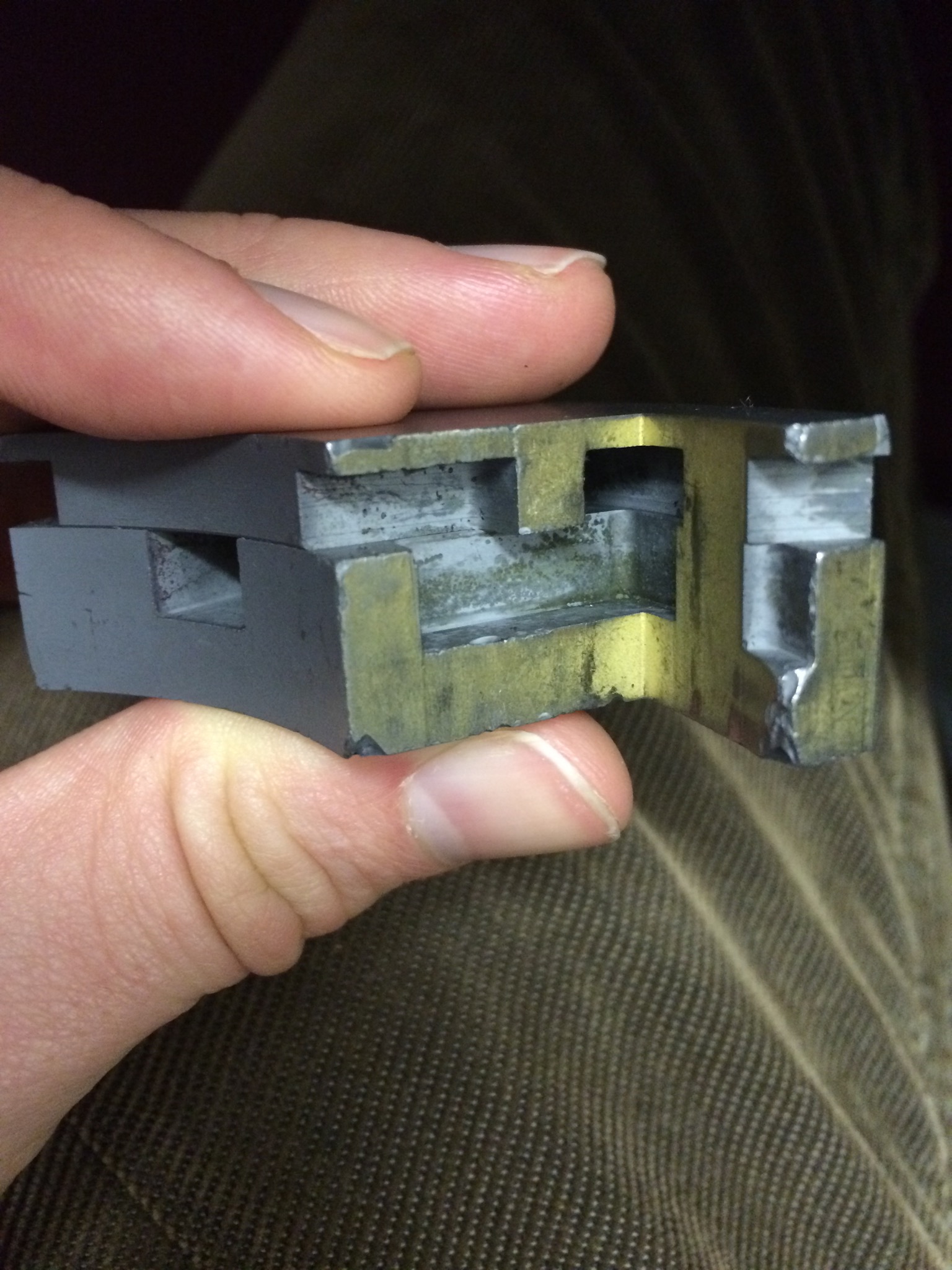
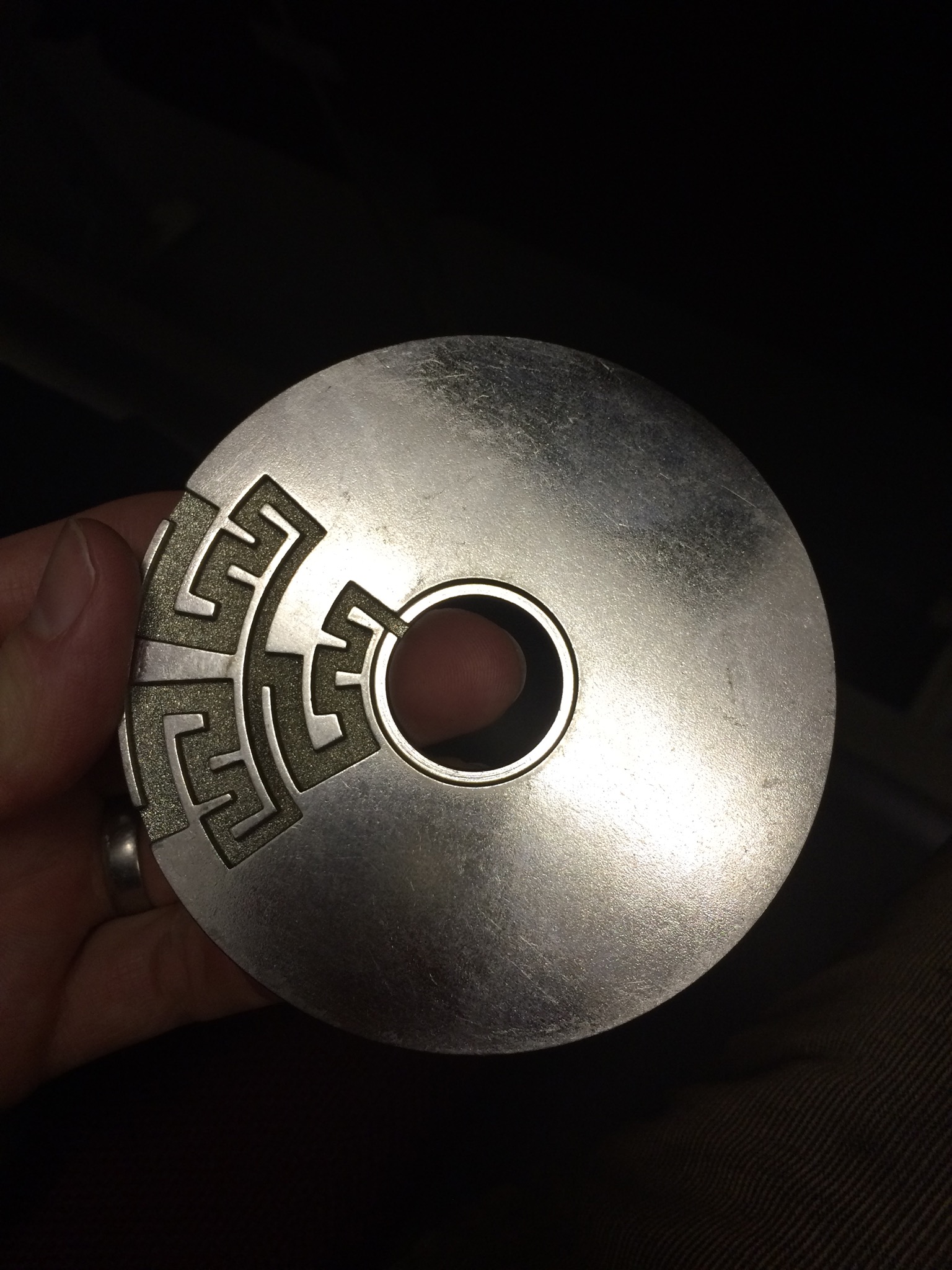
The subject matter covered included material selection, how to control flow rate, pressure differential, corrosion and erosion resistance, analysis of modes of failure and of course developing technologies. They use DRAG technology, which is essentially using a tungsten carbide filter to surround the valve plug on a globe valve in liquid stream to protect the plug from damage, excessive pressure drops and to remove any chance of cavitation. A picture of one of the discs that together with lots of other discs stacked together form the filter. The flow being from outside to in.
Surprisingly, it was not delivered as a sales pitch despite coming from a private company. I think that they know what they produce speaks for itself. I for one learned a huge amount and will be applying some of the lessons learned to my projects. It will be a way of ticking the new technology competency.
Mark, if PEW doesn’t work out you should consider it…
 Holdfast Training Services Trial Blog
Nick
It would make a nice necklace if in gold or silver!!!!!
Neil
Nick, looks interesting. A good idea to consider their use for demonstration in the emerging technologies category. Intersting that you cite excessive pressure drop and caviatation resistance, presumably you mean at the valve seat?
valve sleeves like these often increase the pressure drop locally prior to the valve so the turndown isn’t as excessive at the valve, I imagine the tungsten carbide is there for erosion resistance from cavitation?
If it doesnt work out there’s b&q – transients analysis and FMEA? I’d rather scoop my eyes out with a melon baller…………. Keep smiling
You are correct on the valve seat being the most common area of failure, it is often where the largest pressure drop occurs. This is when the smallest area is available for the liquid to flow through so you get the greatest velocity and pressure difference leading to a tendency for cavitation to occur. The disc stack slows down the liquid stream to prevent the cause and the material selection is a passive mode of defence. They are also easy to maintain with a turnaround of about 3 hours.
However, tungsten carbide is for both corrosion and erosion. Oil and gas can suffer from high levels of H2S as well.
The FMEA is a big part of how this has developed and the speaker, who was a valve doctor, had spent 7 years monitoring modes of failure. This technology is expensive but it has greater longevity. Question is whether it is worth it? I suspect it probably is if the well has lots of sand / debris or high H2S levels.
And honestly Mark, he was your ideal dinner party guest. And stay away from the kitchen utensils.