What happened when I left for holiday
There were 3 main noteworthy occurrences when I was back in the UK for my 3 weeks of summer leave.
Pier 2
The columns on pier 2 were poured and the bracing was not installed correctly (as per the designers drawings). My site engineer had the drawings with the clear notes on them as to where the bracing should have been. However the leading hand convinced that it would be fine not to follow them and that it wouldn’t budge. This was not the case. One of the props holding the form in position failed and buckled during the pour. This was only noticed after the pour and no effort was made to try and fix this. The 2 columns needed to be poured on separate days (unlike the planned one day) as the 9m long vibrator got jammed in the reo at the start of the first column. There was no mechanical 9m hose to replace it, only an air vibrator (which has a larger diameter hose and head, meaning it is more likely to get jammed). The pour continued with this replacement and the damaged vibrator was cut off and left in place in the column. I say it was cut off, but what really happened was they hooked a crane up to the hose and tried to pull it out. That only succeeded in snapping the hose off. When I returned and saw the columns there was a noticeable slant in it. This was confirmed by the survey of the columns. The contract is very clear that the allowable tolerance for this type of element is +/- 25mm and at 57mm is well out.
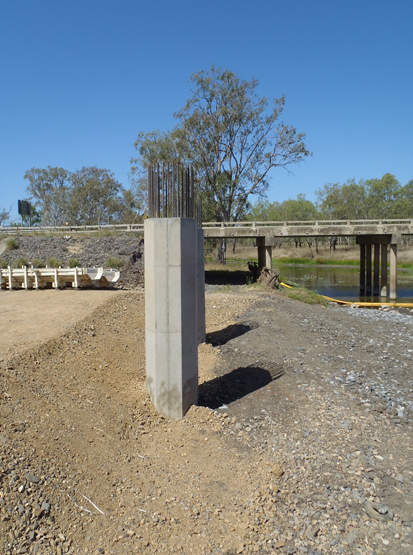
I checked the formwork system and came up with a way to make it work, even though there was 65mm difference between the 2 columns. However it is up to the clients rep whether they will accept this. They are well within their rights to have the column demolished and redone correctly, however the rough estimate is that will cost around $100000 (all paid for by JHG). To make matters worse the first 3 spans of the bridge depend on span 2 being lifted in by 2 cranes sitting on either bank (one 350t and another 250t). So spans 1 and 3 can’t go in till span 2 is up. By not being able to pour pier 2 headstock the whole sequence is delayed. There is also the added pressure that the 350t crane is only available for a small window. Outside of this we will need to find another crane, which will cost much more to get on site. I made sure that the bracing on pier 1 columns was much more robust, it meant the pour was delayed by a day but both columns were well within tolerance so it was worth it in my opinion.
Broken pile
The piling rigs have now moved onto bridge 2 to start work, having crossed the Bruce highway during a night time road closure without incident. With the end of piling on bridge one this was a suitable time for a handover to another engineer who was initially only responsible for the bored piles and retaining wall. With everything handed over I was rather amused when on second pier of piles in bridge 2 they managed to snap a pile.
The clients rep blamed us, and we blamed unforeseen ground conditions. There was no-one from the clients team on site at the time, yet they are still claiming that the piling subcontractors “pulled the pile”. For those that don’t know the term, when driving a pile they can have a tendency to deviate from the vertical. In the early stages of driving some minor corrections can be made, but once a decent length of pile is in the ground any attempt to “pull the pile” into position can damage and even break the pile. To back up our case we have over 800 piles that have been installed as per our sequence without incident. I’d like to think that it was my steady hand on the tiller which stopped any piles breaking, however that is merely a happy coincidence. The next step is waiting for direction from the client. Any action prior to this could be a waste of time. Looking at things the way they are I see 3 possible options open:
1) Ignore it. Cut the pile off below the blinding level and don’t tie it into the cap. This requires the designers to go back and look at what support/resistance the pilecap as a whole needs to provide. All the other piles in the pier are well over capacity. The steelwork in the cap would likely need to be redesigned to ensure the forces are transferred away from the gap of the broken pile.
2) Use it as is. Use what capacity there is in the broken pile and tie the pile into the cap as though there was nothing wrong with it. This would also need the same checks as option 1, as the capacity of the broken pile would be unreliable over the lifespan of the bridge. In effect its just option 1 but not wanting to waste what has already been driven.
3) Drive another pile adjacent to the broken pile (towards the centre of the pier). This would be within the 3xD that the piles are currently spaced at, the steelwork would need to be redesigned in the pilecap and access to the position for the piling rig would be difficult (but not impossible). If the pile did break because of a large discontinuity then this pile may too also get damaged.
The Spaniard
Soon after my return there was a visit from “the Spaniard”. This is one of the executives from Groupo ACS who own Hochtief, Hochtief in turn own Leighton holdings, they then own John Holland. So lots of the executives from John Holland were on site to wander around. It was all to do with cashflow and why we were going over budget. His opinion/answer was that we needed to secure our revenue streams before acting on something. The example used was the large pile offcuts that we have on site. The additional cost for these offcuts should come from the client (in his opinion) as the piles are barely making it into the underdrive allowance. My simplistic understanding agrees with him. You would expect that most piles would be at the design toe depth, or that the average for the site as a whole would be close to the design toe (with some in the underdrive and some in the overdrive). However the vast majority of piles are sitting 3m above that design toe. My guess is that the designers were overly cautious in their design, and to reduce the risk of not reaching capacity, went for longer lengths of piles. By reducing the design risk they have created more work for the contractor, but at least there is plenty of capacity in the piles! The recent development that has come as a direct result of the claim for the pile offcuts is the direction from the clients rep that all piles must be driven to design toe. This is adding extra time to each pier, and could potentially damage the piles. The size of the hammer is such that were it used at full drop height the piles would likely split. The PDA gauges were connected after the split occurred to confirm it, and to give an indication of where the pile was damaged (roughly 3m below surface).
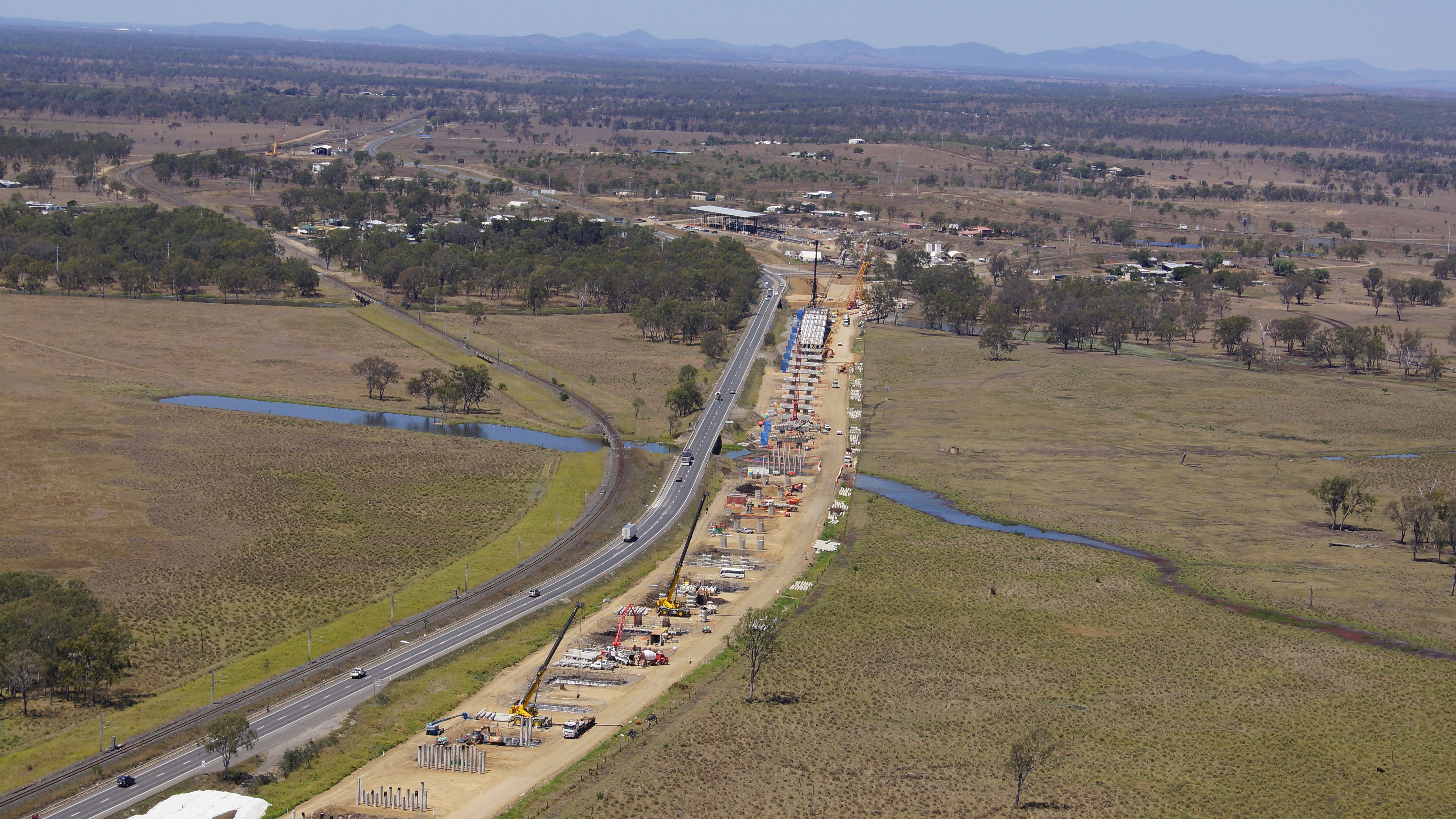
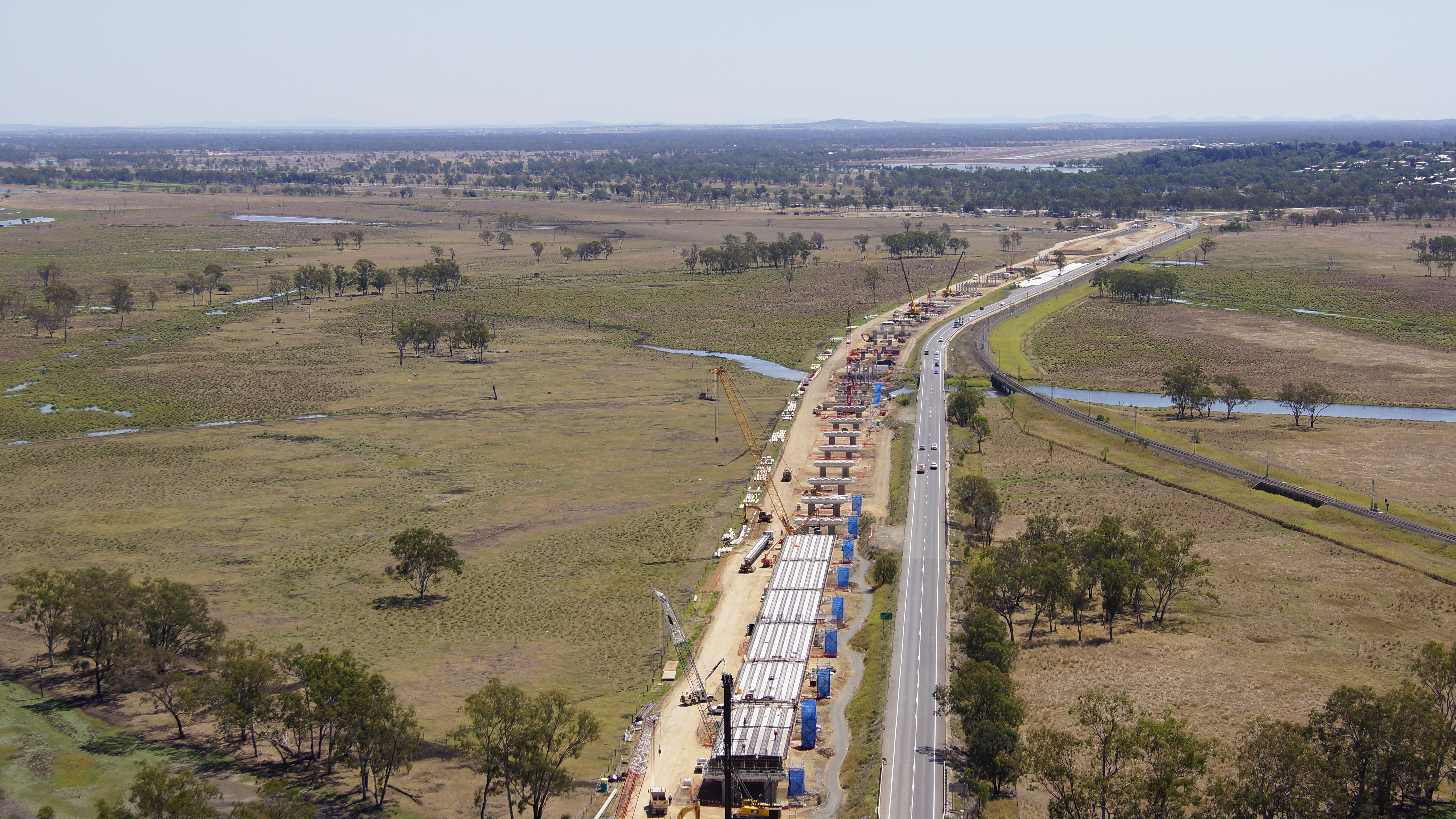
I’ve also got my hands on some aerial shots of site that were taken just before I went on leave. They’re worth waiting for the page to load to have a look at as the detail is pretty good.
 Holdfast Training Services Trial Blog
.
Pete,
Interesting comments particularly the ‘extra length’ issue. I am currently piling again to get a few foundations started that wont be completed until after Christmas and much of what you describe is the same.
Graham have come of the cost risk wrapped up on BBGE’s side of the contract.
The calculations conducted by BBGE detail the design depth for the piles to achieve the specified working loads across the various areas of the site; the price is then quoted from these calculations. 18m and below at £450, 18m+ £620. However the piles are installed to a dynamic resistance, or set, calculated using the Hylie formula (less than 25mm per 10 blows) and therefore the actual length cab vary from those suggested by the static calculation.
If additional sections were required to achieve the extra depth and set, beyond the calculated and quoted for depth, this was at cost to BBGE. So, for example, in previous areas across the site a pile calculated to achieve the required resistance at 17m (£450) may not have reached the required set and needs an additional section (greater cost) or even just an overdrive, if the sections lengths are sufficient, (greater time) but this is at BBGE’s cost.
In addition, BBGE priced the contract on the number of piles driven at the calculated length, not on site time. The re-organisation of the piling during and after the breakages resulted in an amount of standing time charged at a set rate, higher for the first hour and then reducing for subsequent hours. This time whilst at a cost to Graham, was at a greater cost to BBGE as the greater profit for them is in the driving of piles succinctly and quickly. Whilst the rigs are standing the BBGE profit is reducing and it also delays the rigs from moving on to other sites where the more profitable piling can continue. When looking at the number of breakages across the whole site coupled with the additional lengths required on a significant number of occasions, it is quite possible to envisage a reduced profit margin for BBGE.
The risk for Graham was pile breakages. A 30 pile float was negotiated and quickly used up. After that, any breakages were paid for by Graham at the costs described above. This was one of the main drivers behind pre-digging all piling locations to removed as many obstructions as possible.
On your broken pile issue: We had a number (as youre aware) and we always replaced it with another working pile at 2D from the original. I suspect that you will not be able to calculate the resistance of the broken pile, discounting option 2, due to the continuity req test being unable to give you a result.
sorry – fat fingers.
On some occasions we cut the broken pile off at the same cut off length and tied it into the pile cap steel, in addition to the replacement, as it can only help but a replacement was always required. Apart from the areas of ground where we had particular issues, most of our piles broke due to hitting an obstacle and deviating on their path, causing a shear failure along the length. This was obvious when watching the sets in the piling rig cab. If your pile has broken by a pitching error, the chances are a replacement will go in fine as your not avoiding an obstruction.
Thanks Peter,
Formwork failure is a hot topic here at the moment – ICE Developing Engineer Programme (Essay competition) onWed night… Presumably there is a window now in which the columns of pier 2 could be ripped out and replaced at JH’s own volition and the benefit of not doing so is the possibility the client might accept them as is, which is offset by the risk associated with having to do so later in the programme if the client requires it i.e. it is a cost vs time risk balance? Don’t delay penalties and programme implications make this a bit of a no brainer?
Pile options are also interesting and I will bet that option 3 is pursued because for the designers to suggest they have been negligent in provision of an economic design i.e. it wasn’t needed anyway, would be an act of corporate suicide. Their P.I. would be void because of the admission and they’d be wide oipen for a claim accross the entire design if the client is sharp enough. Technically it might be a very differne story; do keep me posted.
The last piece is very interesting because it hinges on the contract type and illustrates the lunacy of involving bean counters and managers with insufficient technical engineering competance in the delivery of an engineering asset. Presumably the contract is such that the contractor has bid based upon a specified pile length and not a safe working capacity (crazy but feasible), the client has therfore paid for a length of pile to be procured and driven regardless of set point and so thinks that to get the value for his money he should insist upon it being driven. He sees the waste offcuts as goods he has paid for being discarded but fails to understand the risk of failure (quality) and the time it will take to deliver the fuly driven pile as unecessary risk for him to take. From the contractor perspective if the pile is paid for it matters not how much is driven unless the specification is for a driven length and not a set. In which case it becomes interesting to know where provision of ground information for the purpose of pricing the works sits in terms of risk and responsibility. Not one to try to explain to anyone that doesn’t understand what piling is trying to achieve, Spanish or otherwise…
I’m intrigued by the arial photos. The alignment is a little peculiar in terms of being stright to a curve and straight again with little if any transition. I would have thought a better alignment might have been possible; is the bridge deigned to be straight with approach curves?
Some good points Joe.
Our piling subbie had much the same issue with a loss of profitability halfway through the job due to pile supply. It wasn’t economical for them to have 2 rigs on site once they got through the technical issues. The contract was for them to be supplied 4 piles per rig, per day. When in full swing on single length piles they were able to hit 8 to 10 in with one rig. Rather than keep the second rig going they partially demobilised it (kept the leader and hammer on site), then they off hired a number of cranes to reduce their overhead costs and used piling rig as a crane.
Richard, I’ll try to cover everything in order
It was more the formwork propping system that failed rather than a catastrophic failure of the forms themselves. You are right about the window to make a decision about what to do. The PM is leaving it as long as possible and pushing the clients rep to accept the column as is. The danger in over-run of the project is a bit of a mute point as there is over 300 days float in the original planned completion date. However that doesn’t take into account the whole JHG plan to finish the majority of substructure works before the rains come.Getting the drive on access form the South helps with a lot of background issues, but there is no impending contractual penalty. The big impact is to the casting program for girders in the precast yard as there is a change to the girders at pier 20 (when going round the bend) and then again after 28 (off the top of my head). To avoid lost time in changing the setup they want to cast all the girders up to pier 20, but with limited area to store any that can’t be installed the factory will soon grind to a halt. (there are many other issues with the precast yard but I won’t cover them here)
I will let you know what the outcome of the broken pile is.
The client pays for the pile and then pays per metre of pile driven (to achieve capacity). This is also the case with the contract between JHG and the piling subbie. There is also a rate for pitching the pile, unloading, PDA testing and splicing. However, there is no rate in the contract for removal of excess pile. This makes me think that the estimators didn’t put enough of a sum aside for this activity (I know they didn’t, as they only put the budget in for one 15t excavator and a pile cropper that didn’t work).
The alignment is to mirror the exisiting Bruce Highway. During normal operation the new bridge will take North bound traffic only, and the existing road southbound traffic only. The transition into dual carriageway happens to the south of the bridge (the upgrade works to a junction still needs to happen there). In flood conditions the existing highway will be underwater and so both north and south will use the new bridge. There is also a switch in the north at the roundabout in flood conditions. Does that help to explain the alignment? If not I will get some of the drawings to try and illustrate it better.
I think there are several subtle but significant differences between Your contract and Joe’s in that on Joes site I believe the supply and drive of piling was subcontracted whereas on yours you supply and the subcon drives but risk is not transfrerred in the same way. I’ll leave Joe to sum up his contractual situation and you to interpret and over lay yours if you both see fit.
Thanks for the alignment explanation – there’s a traffic control nightmare waiting to happen with vehicles going the worng way on major bridges if it’s not done well!