Archive
Temporary works for engineers course
Temporary works for engineers course
This week I attended the Laing O’Rourke Temporary Works for Engineers course. I thought I would make some reflections on the course by considering its relevance to the Royal Engineers and the role of engineers on site in solving temporary works challenges. I recently said I would avoid text heavy blogs so I am already breaking my own rule; therefore I have stolen some pictures from Google to break it up!
I have uploaded the pre-course assessment as a general level of expectation of the knowledge of the engineers prior to attendance.
The course was run by the head of the Laing O’Rourke Temporary Works office, Kit Yardley, supported by their senior geotechnical engineer, Keith Miller. The target audience for the course was civil engineering and building graduates who had gained significant site experience (therefore about 5 years since graduation). The aim of the course was “to give participants a working knowledge of temporary works, group procedures, use of the Laing O’Rourke precast assembly manual and the use of current EN/BS standards and guidance in the industry”. The course achieved this aim and effectively covered content within the PET (C) structures, foundations, applied structures modules condensed into only 3 days with a fairly healthy A4 folder to take away.
Course content – PET officers are well prepared technically.
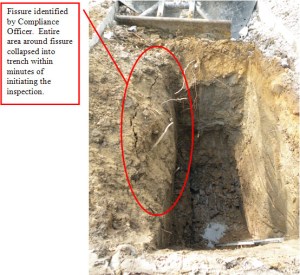
What is the safe depth of an unsupported excavation…
The participants were not required to take in all of the subject matter but become more aware of risks of working with, and designing, temporary elements. The course content included cranes and hoists, soils, excavation support, formwork, falsework, backpropping, concrete pressure, scaffolding, loading platforms, pile/crane mats and many other temporary works structures. I found it comforting that the majority of the theory behind each of the topics was covered on the PET course, where others clearly had not recently been refreshed in modules I cited above. Most of the participants completed the pre-course work getting all of the answers correct, although a couple struggled with question 8.
Experience required.
The area which was unfamiliar to me was the understanding of proprietary systems that are used for falsework and the Laing O’Rourke precast system. While this sort of knowledge can be gained now on site, it is somewhat symptomatic of the imbalance of site experience PET officers have compared to their technical understanding gained on Phase 1. I believe it is better to have a technical understanding which is then enhanced through gaining practical experience on site.
Temporary works course for military engineers.
I would strongly argue that with a little tweaking of specific lectures from the PET course a very thorough and relevant temporary works course could be delivered to military construction forces. The challenge would be to deliver sufficient practical information to the MCF. There were numerous insightful examples of good and bad temporary works practices delivered during the Laing O’Rourke course, supplemented with photographs, sketches and You Tube clips and so I am sure relevance to military engineering projects could easily be achieved.
I think a temporary works coordinator course would be a useful addition to the set of tools delivered to an MCF project delivery team. The ability to recognise the non-designed temporary works that are required for a project to be delivered, and how they are to be managed (identified, designed, checked, certified, monitored, reviewed), would only improve the efficiency and safety of a project.
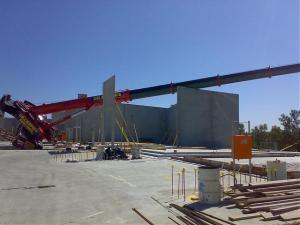
- Cause of failure? Prop locations, different crane used to that designed for, outrigger spreaders
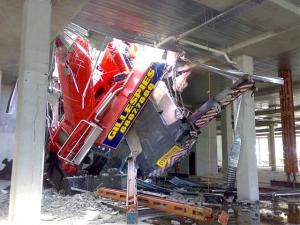
Conclusion
My initial view of working on a Laing O’Rourke project is that they appear pretty diligent regarding temporary works challenges. Their engineers get site experience after graduating from a civil/building degree. There is a rotation between sites (it seems everyone will do their time at Hinkley) to gain broad experiences. When suitably experienced, engineers are trained (refreshed) in engineering principles to strengthen their ability to manage and lead temporary works. This seems pretty analogous to officers within the Royal Engineers but perhaps a slightly greater emphasis on temporary works for the wider Corps MCFs should be made (as well as the many other courses they are now advised to complete) as we move back into an upstream capacity building role.
Quick, there’s a condition…!
A short one this week as I finish off my first draft of AER1 – wow they come around fast!
WARNING – GRATUITOUS MUD SHOTS!
The majority of my site is London Clay, unsurprising given it’s location. Damo’s site is similar. I know this as when I met him in the pub last week he brought some to show me! The clay here is so overconsolidated that it has started to form localised soft mudstone deposits. Therefore it is to water what John’s worked examples were to me: impossible to get through!
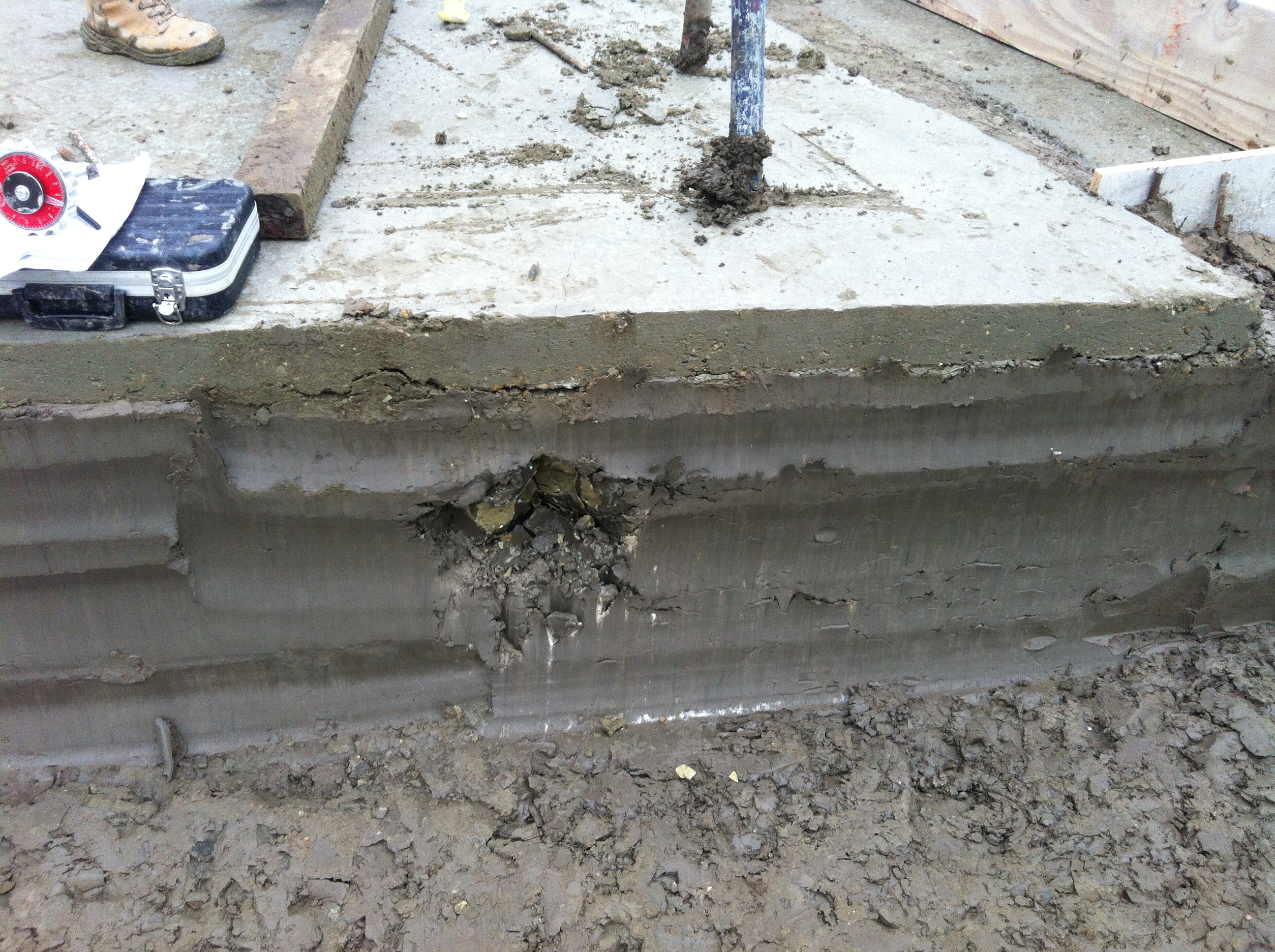
Area in general
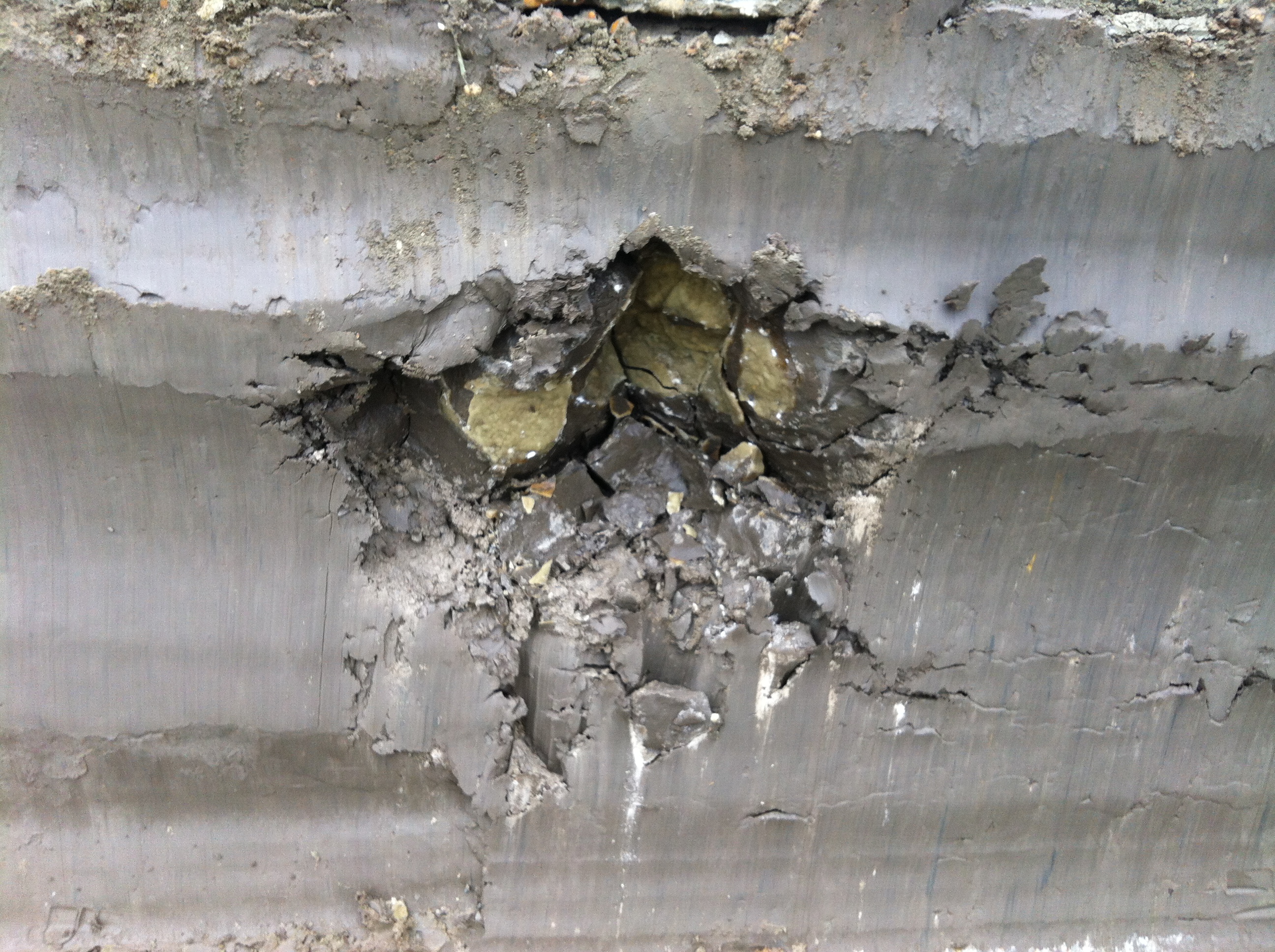
Area in detail
The clay is overlaid by river terrace deposits, a much more permeable material. And since the whole site is one big cofferdam I’m fairly sure I’m getting flash-backs.
The clutches on the sheet piles have been welded down to the puddle flange which will eventually sit at the bottom of the slab. Below this they’re not welded and in the sandy gravel areas this has led to water flowing in under formation level.
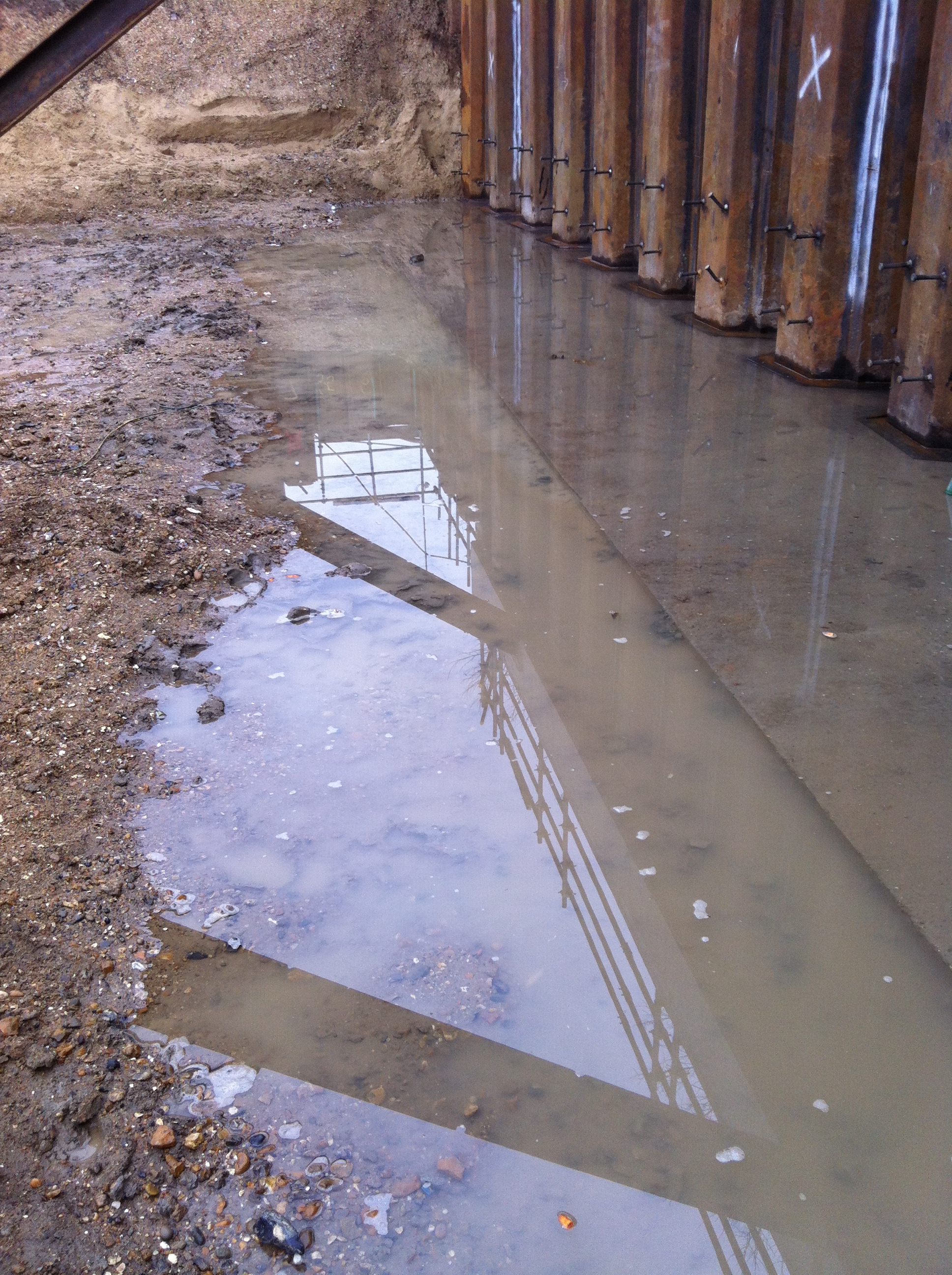
The spec states that where there are localised areas of clay in the sandy gravel, that it should be removed and replaced with type 1 or concrete blinding. But it makes no mention of areas of coarse material within the clay. So when an area of sand was found within the clay the sub-contractor kept digging in an attempt to find the bottom. And then stuff started sinking. Most notably a bloke holding a levelling staff.
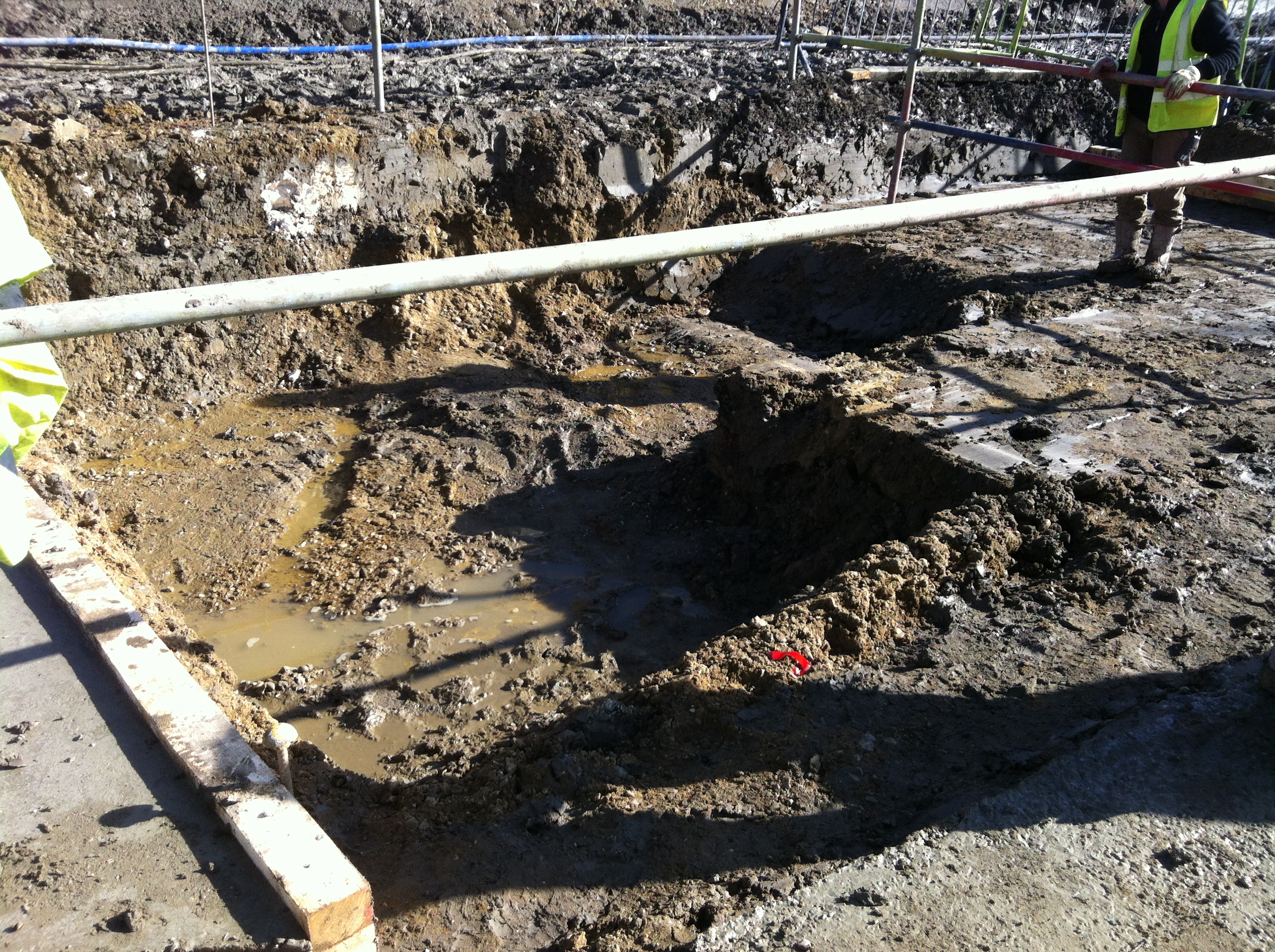
Dig for victory!
They’d made two mistakes. They hadn’t considered why areas of fine material in course need to be removed, but areas of coarse in fine don’t – settlement. And by trying to dig to find solid ground they had created a hydraulic gradient and therefore a quick condition.
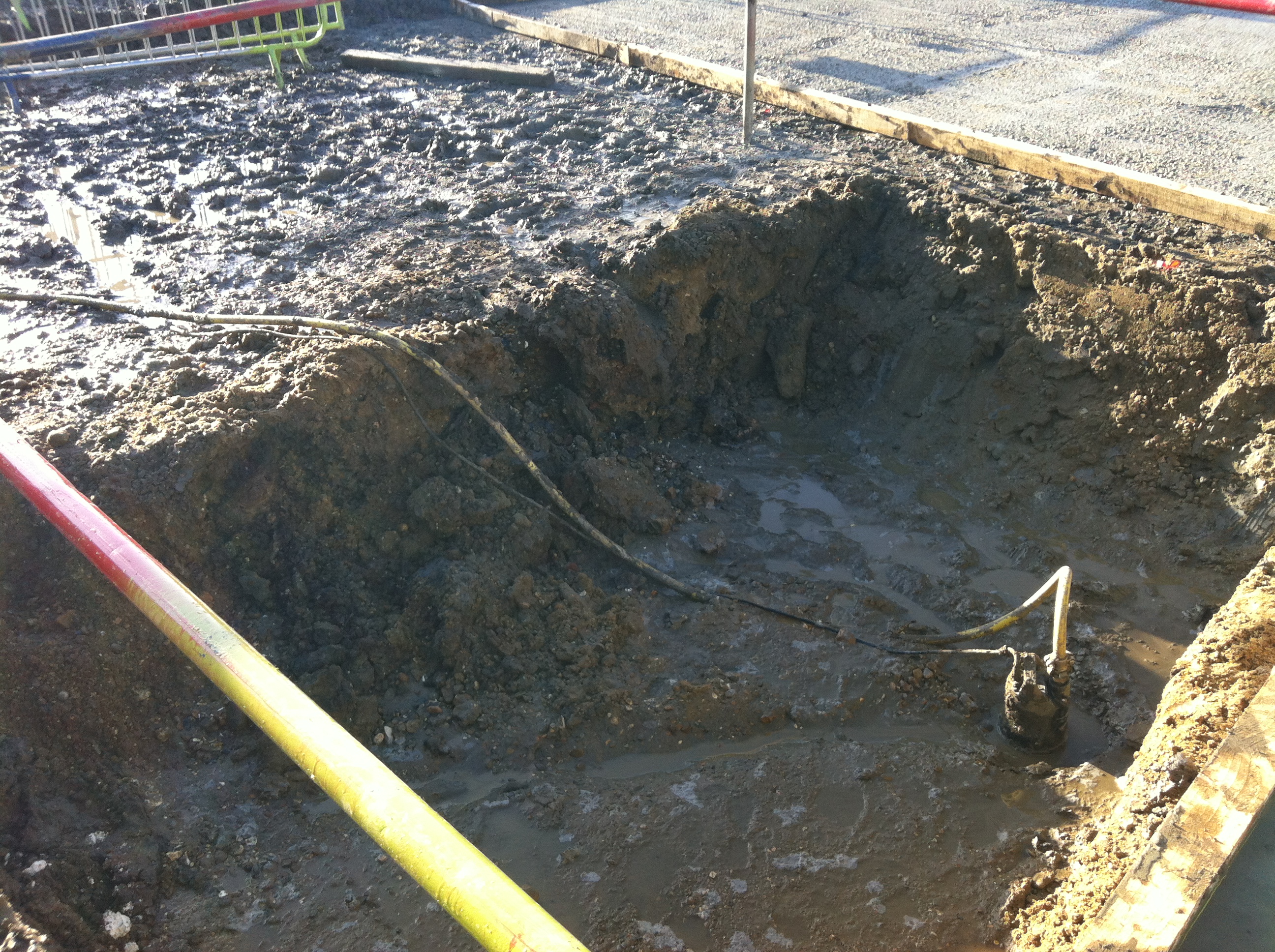
The sandy hole
Once they stopped digging and started pumping the ground solidified. They filled the hole with some concrete that got rejected from a tower crane base pour (another story involving slup tests) and continued on their merry way!
CPR Gold!!
Atkins are very good at providing fodder for Continuous Professional Development. I have a ready supply of wider industry news articles and studies to scan, over my packed lunch, which depressingly I take ‘al desko’.
This struck me as a good CPR handle, as skills shortages are surely one of the main strategic risks to the UK construction industry as it struggles to deliver the National Infrastructure Plan.
Enjoy
Concrete or Steel Roof Sir…..Are you sure?
ith the 30% concept design completed and off for approval I thought I had arrived at the start of the detailed design. Armed with my vast amount of knowledge and more importantly a phone line to the rear guard in Chatham I was ready to dive into some detailed engineering calculations…or so I thought.
Turns out that since January the design has been turned inside out and some fairly significant design issues uncovered that should have been mentioned in the 30% design.
Concourse Slab Strength. The concourse slab has not been design to carry any further load other than those loads present I the permanent state. During the temporary state the concourse will be required to hold the form work for the roof slab. As it turns out it has not been design to hold the additional load of the wet concrete roof slab as it cures. As a result the propping for the roof slab will need to extend through the concourse slab with either large props passing through the concourse slab or a forest of props at both levels. As this is a bottom up build the contractors plan and the project programme is based on the M&E fit out occurring concurrently as each subsequent level is completed. With the proposed forest of props at the platform level the contractor will not be able to complete the M&E fit out until the roof slab has cured. This puts the project programme at significant risk.
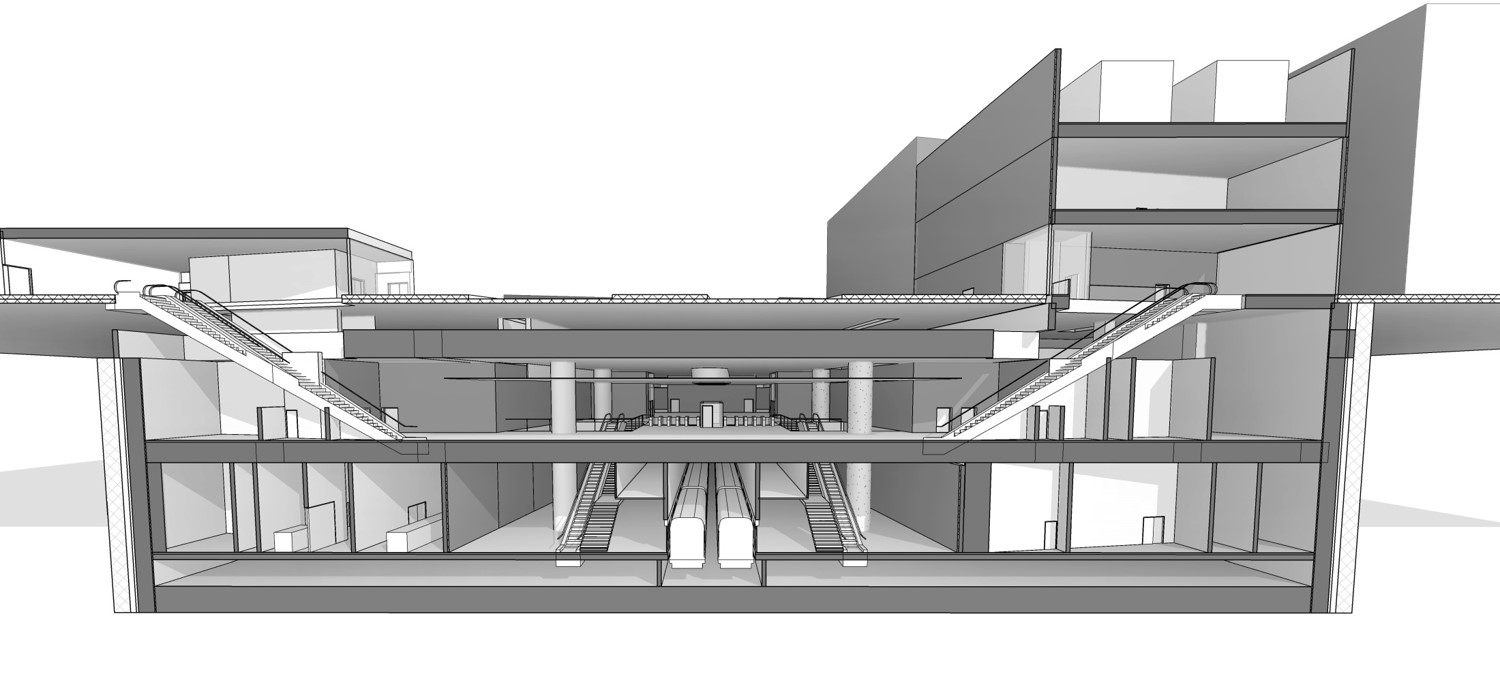
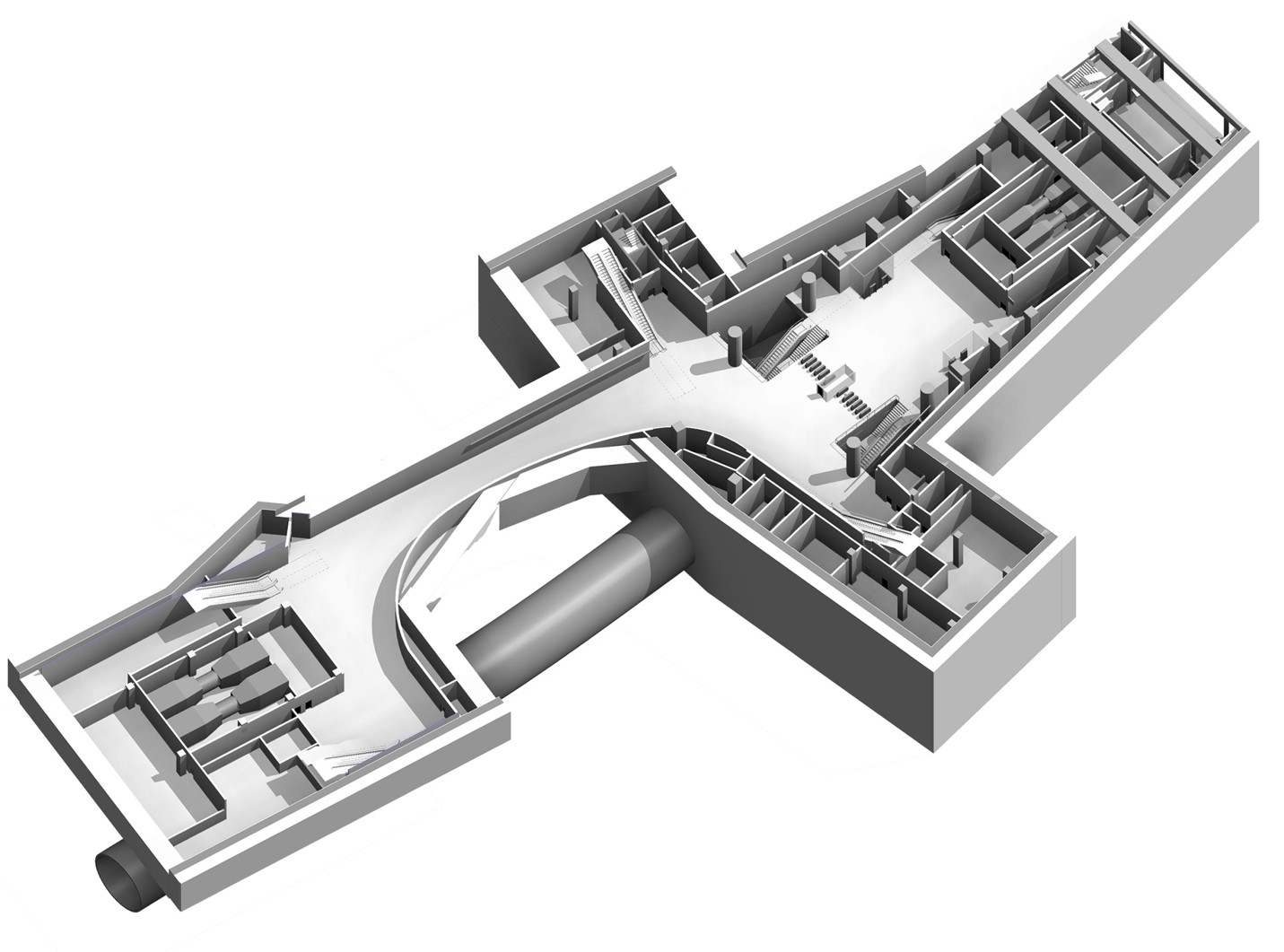
Current sections of architect model. The odd shape accopunts for a Highway fly over foundation,road junction and buried services. Section shows platform, concourse and roof slabs
Steel or Concrete Roof. With the issue of concrete curing times and excessive propping the contractor proposed a change to the design that saw the concrete roof slab replaced by a steel beam and precast concrete roof. This particular issue was passed to myself to see if it could be done. Given that some of the spans are nearly 30m this would require some fairly large beams…turns out about 2m deep plate girder beams with 80-100mm flanges should just about do it. The issues faced when designing the concept for the beams are outlined below:
Supports as the rest of the structure is concrete the tying in of the steel beams to the concrete supports to make full moment connections would be particularly difficult and is likely to result in excessive cracking at the interface of the steel beam and concrete. Cracking as my previous blog is a particularly sensitive issue on this project. Therefore the beams would need to be simply supported.
Simply supported beam results in a high bending moment at the mid-section of the beam as the beam is free to rotate at the support and no moments are passed to the concrete. As a result the beams would need to be deeper than if the beams supports were encastra.
Deflection. Given that the beams would be in some cases spanning nearly 30m the deflection at the midpoint was in some cases up to 100mm. Not a large deflection I’m told but any deflection of the beams would encroach on the architects and M&E services spaces. To counter this I suggested that the beams could be pre cambered i.e cut to account for the deflection so that as they did deflect they would then settle at a level.
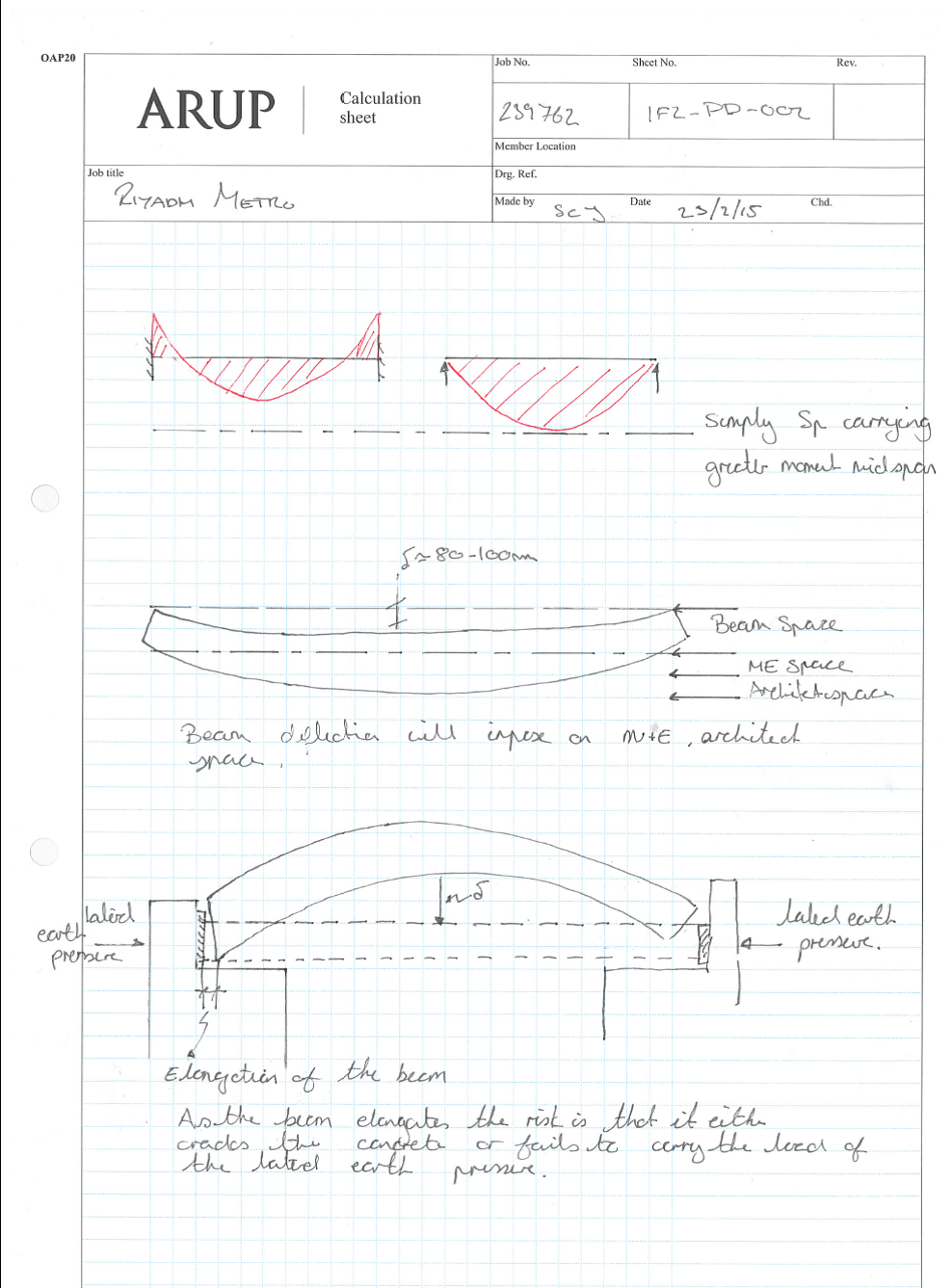
Elongation. With deflection now sorted my attention was turned to the elongation of the beam. As the beam would deflect from a pre-determined camber to a level that beam would also elongate. As the beams were to be simply supported but would also be required to act as props the beams would have to once extend and rest on a bearing to carry the axial load from the ground and support the box. To ensure this actually happened would be very difficult given design and construction tolerances.
Bearings. It occurred to me that as the roof slab would also be forming the foundations for a mina high way, in a way I was designing a very wide bridge. Any steel bridge usually sits on some sort of bearing and bearings need to be replaced usually every 25 years. The design life of the building is 150 years…and the question to the team how would any maintenance of the bearings be completed, how would bearings be replaced.
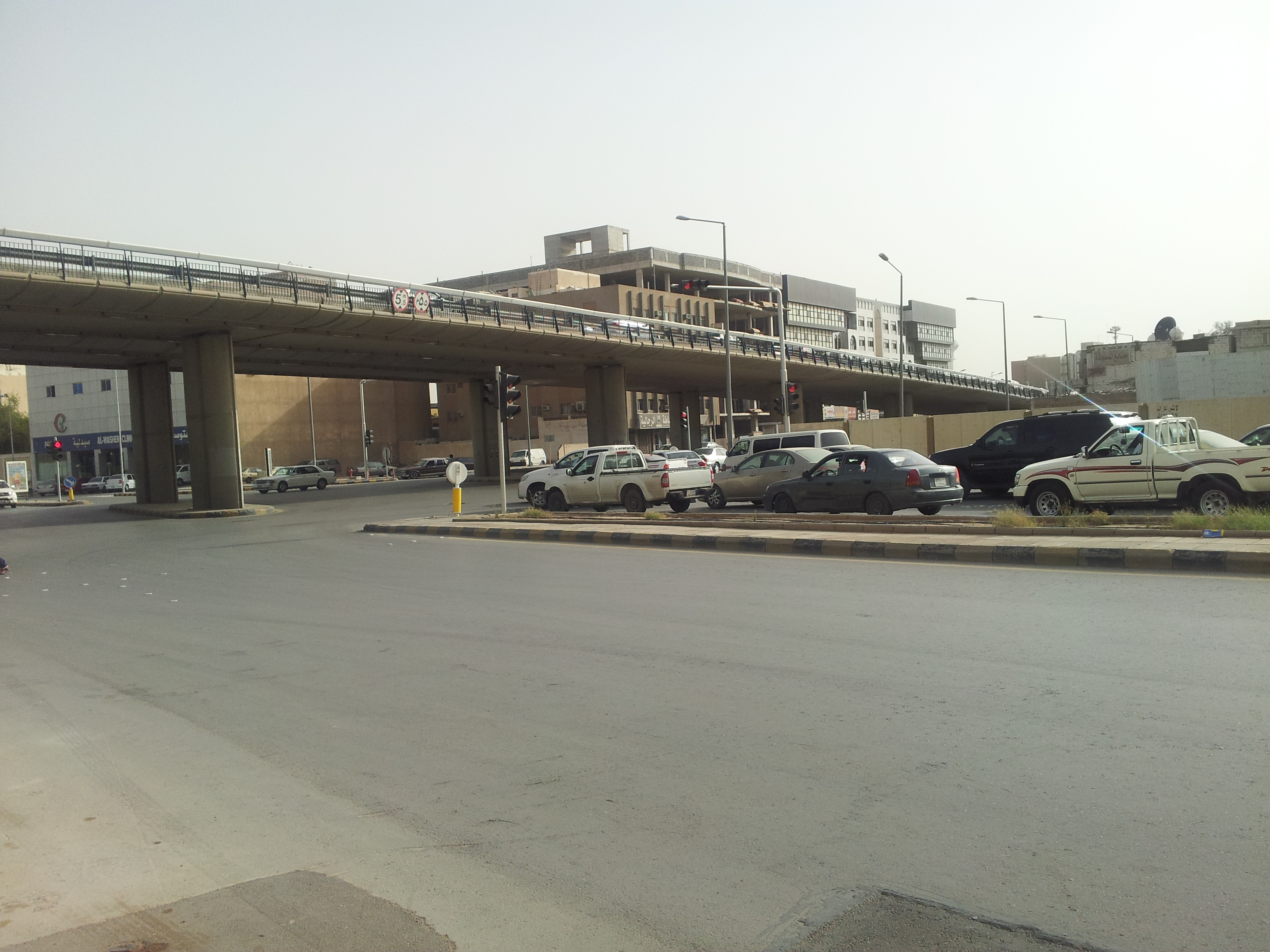

Pictures of the King Fullah Road that the station will be beneath at the end oc construction.
There were already a number of problems that I felt the team had missed or were choosing to ignore. As the report was being complied to inform the client that the roof could be completed in steel which would aid the construction programme I felt that we were not advising the client on the second and third order affects of the changes from concrete to steel.
With the risk of making myself a very unpopular individual…well more so then currently. I raised the issue outline above along with: transportation of 30m spans of steel, the fact that Riyadh does not have a steel industry and therefore steel beams would need to be fabricated and imported. My aim was not persuade the client either way but simply to ensure they had all the facts and could make an informed decision.
This has made for a few uncomfortable meetings, however I’m sure that we as the designers have the moral obligation to ensure that a client is fully informed and not simply to follow the blind beliefs of the contractor.
Starting with Laing O’Rourke in London, another muddy hole!
Overview. I am working on a Laing O’Rourke project near Elephant and Castle Station. The site previously consisted of an 8-storey office block which was mostly demolished prior to site handover. It included a one-storey basement and therefore the start state for this project is at one storey below ground level. The project endstate is the erection a 40-storey residential tower complete with two basement levels, along with a separate office development of eight storeys.
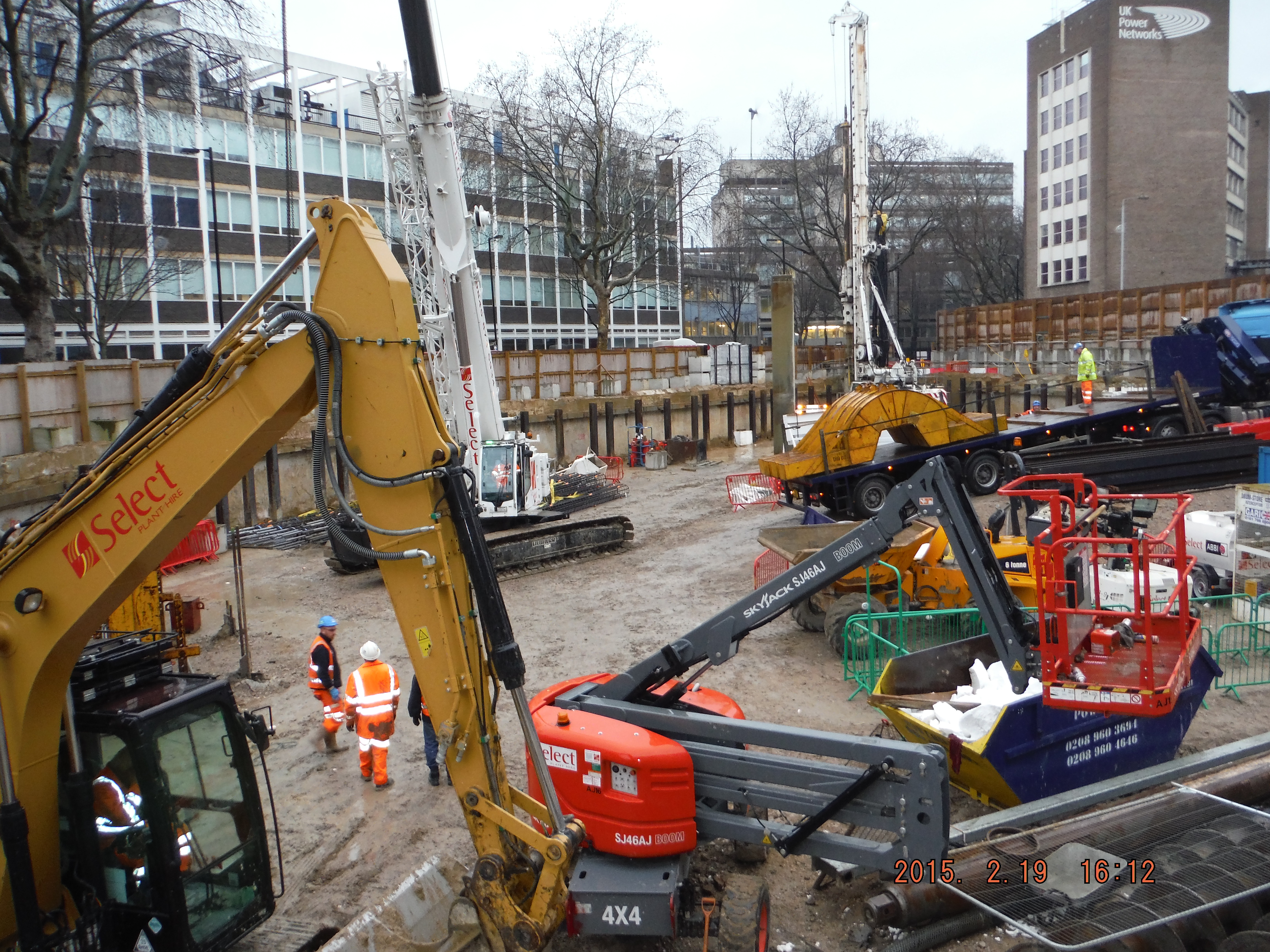
The existing (confined) site
Contract. The project is currently running on a Letter of Intent to achieve enabling works which comprise of the secant pile wall and capping beam, construction of part of the bearing piles, realignment of mechanical and electrical utilities and demolition of an existing sub-station. These works total £4.4M with a provisional sum of £1.1M to effectively close the project if the subsequent superstructure contract is not approved. The enabling works would give a future developer opportunity to construct something of their design, hence making the site attractive to other investors. This staged approach also gives the client time to ensure the remaining programme to build the tower meets their time and cost drivers. Quality is also important, but the balance is very much cost, then time and quality.
Pile load test. The design of load bearing piles for the tower will be finalised based on the results from the static load test that was carried out this week. The soil profile is generally 7m of river terrace deposits, 20m of London clay and then a deeper band of Lambeth Bed sands. Toeing into the sand (circa 30m pile length) will give the end bearing resistance needed but the number of piles will be determined from analysis of the load bearing test. Having heard John bang on about these types of soils I have now seen them and a static load bearing test rig in action – all making sense.
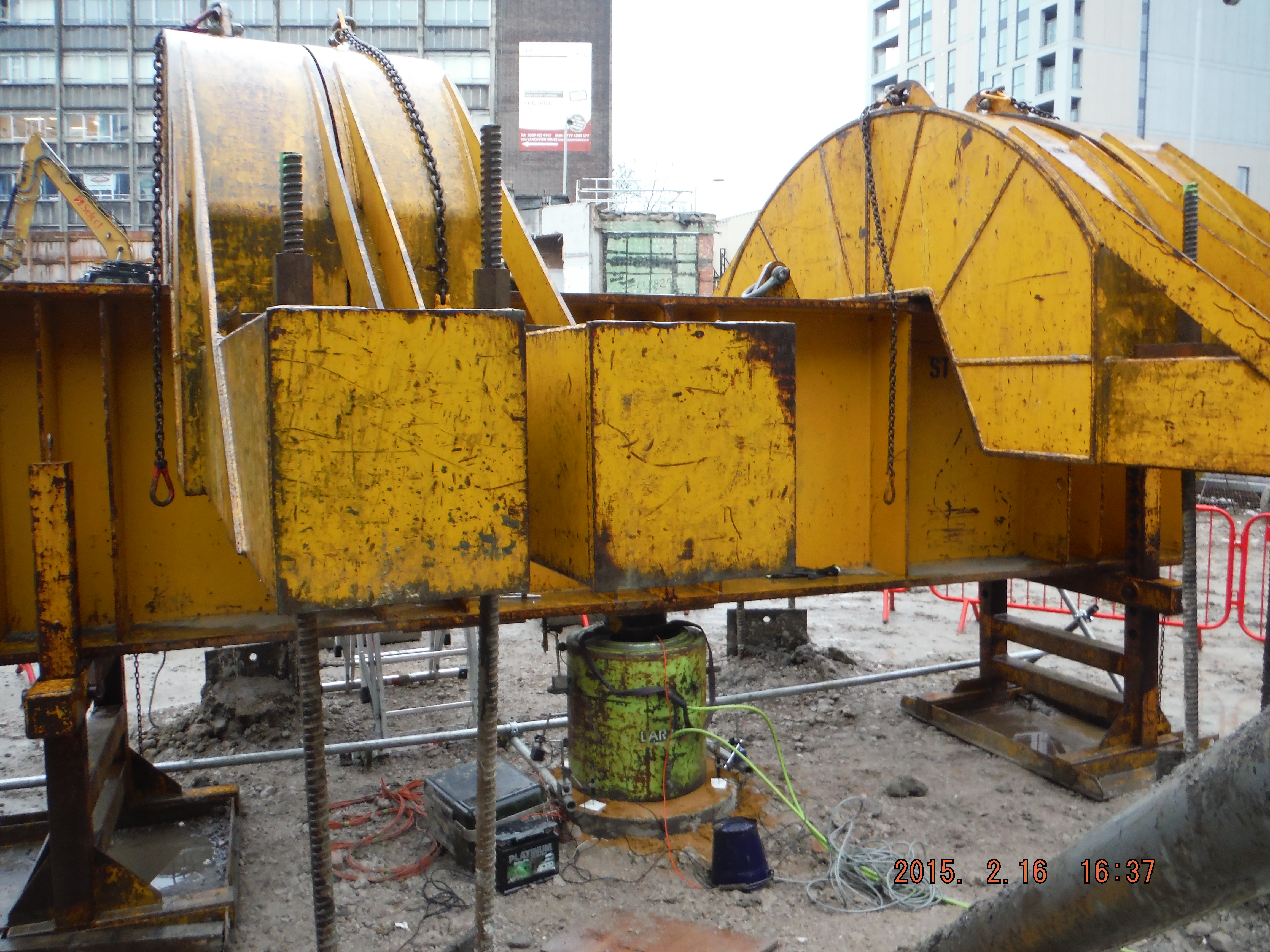
Pile load test. Test to 10MN or 75mm settlement.
There are two proposals for the load bearing piles:
- Individual large diameter piles (41no 1500mm diameter rotary under bentonite)
- Raft foundation (comprising 124no 750mm CFA piles).
The confined nature of the site means the bentonite option is not preferred because the amount of equipment would mean little else could happen concurrently onsite. Therefore the raft option is likely to be adopted, notwithstanding the outcome of the load bearing test, although it will mean excavation around the piles is pretty tight.
Sustainability. Laing O’Rourke are keen to demonstrate adoption of the Construction Logistics and Cycle Safety (CLOCS) initiative. It was brought home as I read an article in the Evening Standard which talked about the death of a cyclist after being hit by a HGV yesterday

Evening Standard reporting of cyclist death
The statistics point to HGVs being responsible for a high proportion of accidents considering their number compared to other road users. Furthermore, the HGVs were often construction vehicles such as tippers or mixers. I then picked up the NCE magazine to is see an article on “Cyclists’ safety is now critical”. There are levels of adoption of CLOCS going from using CLOCS compliant supply companies (see photo below of tipper with side protection rails and warning signage) to running Construction/Cycle days where cyclists can come and get a mini bike service and have a chat about cycle safety. The question is how is this best achieved on this site to show adoption of the scheme, especially as the site is adjacent to one of Boris’s cycle superhighways.

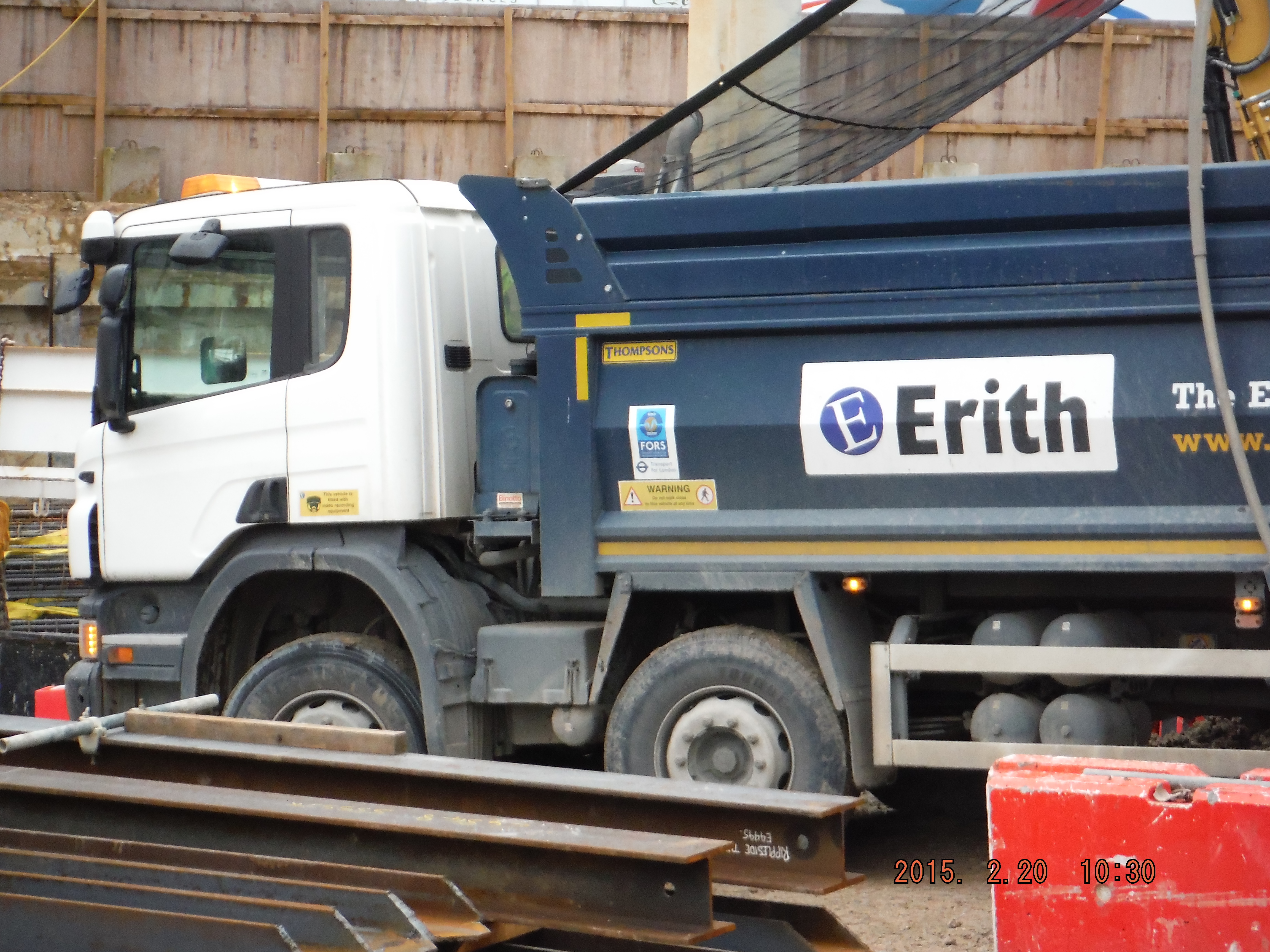
CLOCS Compliant tipper vehicle on site
The digital age. At this stage of the project the understanding of how best to implement BIM and realise the benefits of digital engineering is yet to be determined. There have been some point cloud (3D image survey) productions of the site (see below) but how this can be advanced is being established. The Laing O’Rourke Leadenhall Project (Cheesegrater) modelled the construction process of the whole building to refine the method in order to make it more efficient. Other advantages of digital engineering include cost and time savings by being able to demonstrate exactly what is required and the sequence in which the works would need to be carried out. At a more refined level, 3D modelling of reinforcement in the capping beam is an area which is likely to be explored due to the variation along the length of it on this particular site, not to replace drawings but to be used alongside them. The capping beam is an area I am to be responsible for so more to follow.
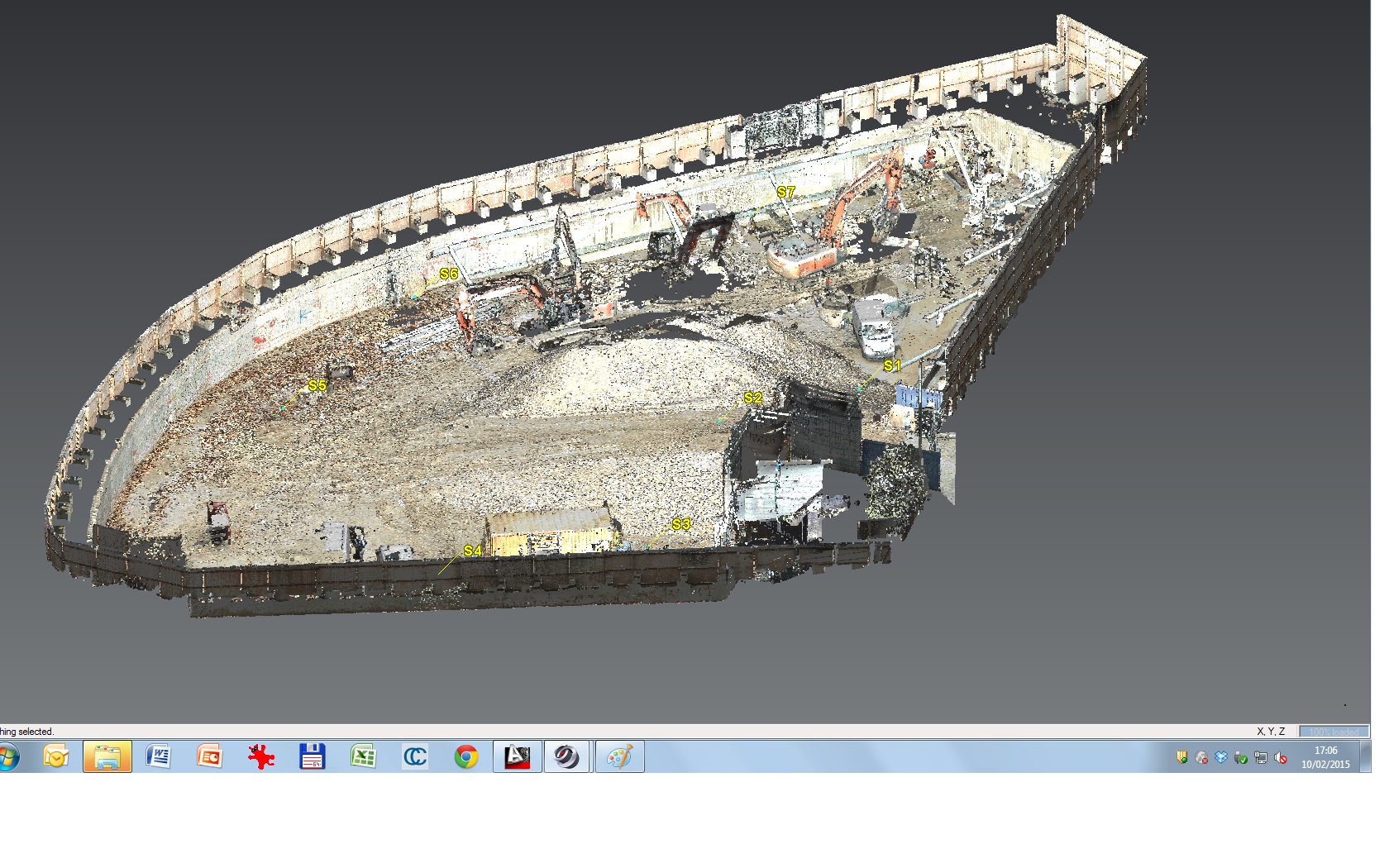
Point Cloud Survey of the site.
What the hell is 6F2?!
It’s a been a bit of a crazy week, and it’s all P C Harrington’s fault! So much has happened it’s difficult to pick one thing to chat about.
I could talk about this…
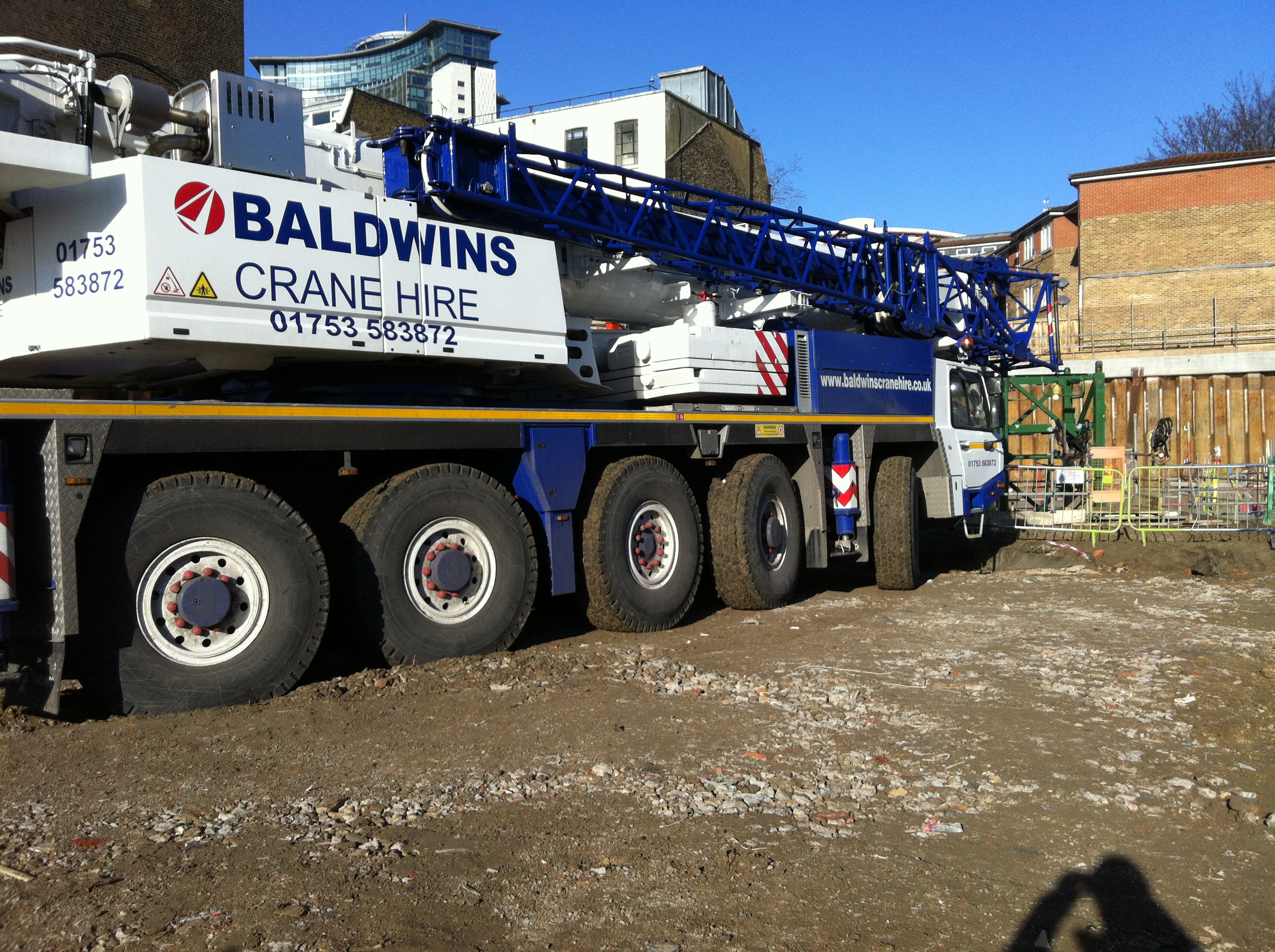
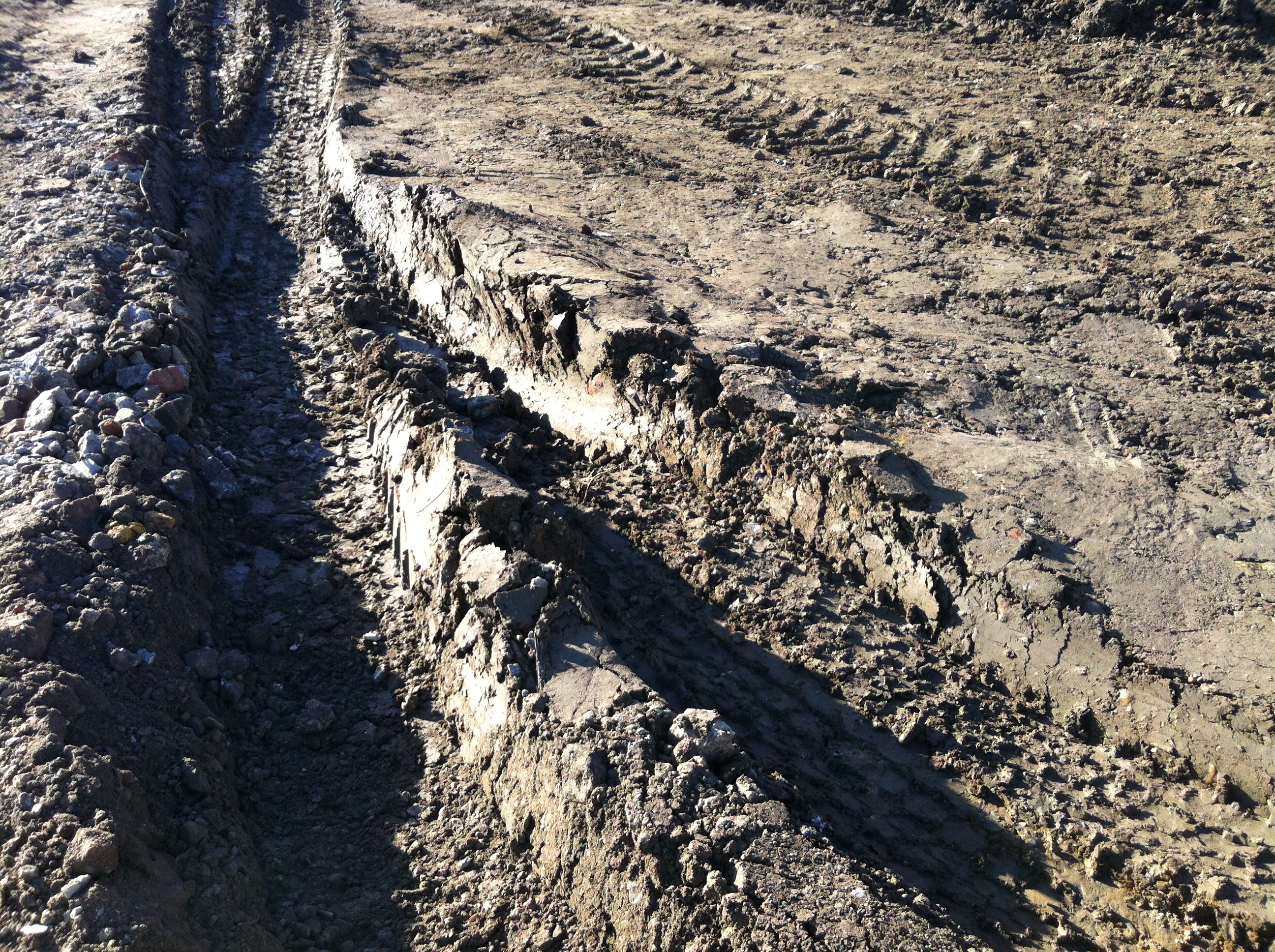
I could talk about this…

But instead I’m going to talk about fill.
After the nightmare of the sinking crane on Tuesday (see above), I have been keeping a keen eye on the construction of the mobile crane base for the construction of our second tower crane (we have 5 in total!). The base is to be 450mm thick. Laid in 4 layers. Each compacted with 3 passes of the roller onsite.
First of all they laid it far too thick. Then they didn’t realise that a roller is categorised by its mass per metre width. These things are forgivable. What followed is not…
About two months ago I was halfway through Rhubarb Creek writing about how the 6F2 would be compacted by a certain number of passes of a vibratory roller. At that point I didn’t really understand what 6F2 was (sorry Richard!), but now I do. It is a granular fill with a very specific grading curve. It is not:
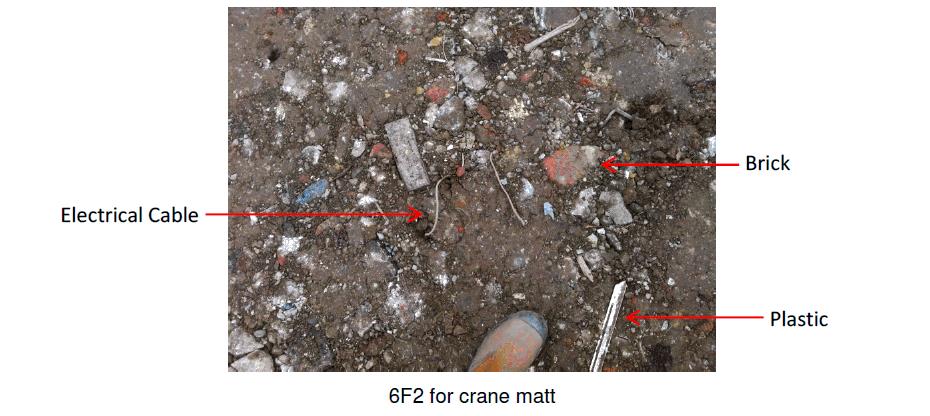
So I explained this to them. They said they would pick out the bits, compact and make sure it didn’t happen again. This morning I found this:
![IMG_0720[1]](https://pewpetblog.com/wp-content/uploads/2015/02/img_07201.jpg)
![IMG_0717[1]](https://pewpetblog.com/wp-content/uploads/2015/02/img_07171.jpg)
Plastic Wood
Now while this is fairly funny and a bit annoying for the bloke who is picking all the crap out of it, it’s not great for the company. They’re paying for 6F2 and they’re not getting it. The quality assurance process they should have in place they don’t.
So we’re working with a company who are running late already (we’re only 2 weeks in), they’ve already had an accident (see tipper above), and their workmanship is shoddy (see last weeks blog). They’ve got a bad enough name here as it is, so why are they accepting this? Probably the same reason why we hired them in the first place. The fill is like the company, a bit crap but bloody cheap!
At the end of my second week I have learnt an important lesson:
IT’S ALL ABOUT MONEY!
MPDS and Interview Prep
Brendan and I attended an IMechE industry contacts seminar in Aberdeen yesterday and it was predominantly about the Monitored Professional Development Scheme (MPDS) but it finished with a presentation from one of the interviewers for CPR in Aberdeen.
The bottom line is it has made me feel much more confident about going for CPR later this year.
This is most useful to those going for CPR with the IMechE and also PEW as an organisation. However, I hope that there are a few useful snippets for everyone.
I will describe the key agenda points and the important points as I see them.
Agenda
Introduction – no synopsis required and the only key point is that the IMechE website now has an ‘on demand’ facility that allows access to lots of online videos of conferences and seminars from around the world.
Tips for preparing for an MPDS accreditation visit – The title is self-explanatory so I will just go into some of the key points:
- PEW is not suited to the MPDS at all. It takes a minimum of four years to complete the scheme and it is aimed at new engineers joining a company. It is absolutely the right thing to continue with the standard application form approach and students on PEW should not be completing MPDS online.
- Over inflated scores of competencies is not helpful – to have a 3/3 across the board when you clearly haven’t reached that level is a red flag. Should the candidate then fail CPR it is difficult to re-rate and develop. Mentors should scrutinise competency ratings and pick them up prior to exposing to the IMechE.
- Media attention. There should be more of a big deal made of those successful at CPR, both for the applicant and the mentor. Many companies employ a financial incentive but this would not work for PEW. However, increased media coverage may be helpful and is something that could be developed. The key part is that there needs to be more of a celebration of achievement.
- A good thing to put in your E competency on the application is that you are a volunteer to be a mentor. The IMechE are short of mentors and the panel look favourably upon this.
Running and MPDS scheme – This was from the perspective of the Royal Dutch Shell MPDS scheme administrator. Most of his points were not relevant to PEW but it was clear how much effort these other companies invest in CPD for their employees. He suggested that mentors should not have the same background as the candidate so it forces the candidate to explain things properly and it is also beneficial for the mentor to read about different subject matter. I appreciate that this would be difficult for PEW.
Professional review interview – This is where the real gems were. It was a presentation from David Baker who is a panel interviewer for those taking CPR in Aberdeen.
- The application. It is competence based so do not just list a career history but describe how you have achieved the competence.
- During the interview he expected the applicant to do 75% of the talking.
- Interview lasts 45 minutes:
Introduction 2 minutes
A, B, C and D competencies 20 – 25 minutes
E competency 8 minutes
DAP 5 minutes
Closing comments 2 minutes
- He went into more detail for competence E. You should cover the following:
Code of conduct. Read it and equate it to your organisations code of conduct.
Examples of continuous improvement. For example, this could be new technology that you have implemented or a new maintenance regime you’ve instigated.
Environmental responsibilities. This could be considering HSE aspects.
Continuous CPD. Annual appraisals, courses you’ve been on etc
Promote engineering. Primary engineer for example.
Ethical manner. You won’t need to provide evidence of this competency until 1 Jan 16 but it could be useful to do so. Mark Hill (hobbit108) posted a useful piece on this in an earlier blog.
- Talk about things as “I did this” not “We did this”
- The sponsor is key to scrutinising paperwork, we get this after AER6.
- There should be mock interviews. I know the civils have this but I’m not sure how formal it is for the E&M students. I know that Imran very kindly offered to come back and run them for our course before he left and I will be chasing him to make good on that promise.
- Take in photos or calculations that you can talk about, especially if you’re the type to get nervous in interviews.
- You need to have three out of the five competencies graded at 3/3, with the other two at 2/3.
Key challenges to passing CPR:
Not providing evidence of A + B competence
Not being able to talk about the detail of what was in the application.
Another thing that I took from this is that PET students are different to the normal CPR candidate. They tend to be more discipline based with much less management experience.
From a personal perspective, I feel that my previous military experience plus phase 1 and my experience at BP has certainly given me 3/3 in C, D and E. I think I am on my way to a 3/3 with the A competency and I will be okay reaching a 2/3 with the B.
I also think that the role of mentor is very important. For those of us going to Staff College it could be a useful way of maintaining the CEng flame. I for one would be willing to look over someone’s application, their competency record as they build it up and if I’m available I would help run a mock interview next year.
Free Software – Phase 2 its out there.
After completing my last TMR which was based on the performance of solar thermal systems and the comparison of land cost. Before I started this TMR solar power to me was simply Photovoltaic (PV) cells, but after a lot of research it was evident that this was probably the worst type of harvesting of solar energy. The main problem I had with my TMR was the systems themselves are extremely complex, for example a Parabolic trough which heats liquified nitrile salts, to a working temperature of around 1500 deg C and running a Rankine cycle steam turbine combined system is rather complex. To compare these systems would be far too much work to be able to fit within one TMR.
This is where free software is the key, I personally have found getting enough raw analysis within a TMR has been hard at times, some times due to the complexity of the subject which I have chosen to discuss and sometimes lack of knowledge and capability. However using free software this can be alleviated, you can complete great research and using such a tool as the American Government package called System Advisor Model (SAM) which the National Renewable Energy Laboratory (NREL) have developed (https://sam.nrel.gov/content/sam-publications) you can use such packages to do the raw theoretical analysis which is required and this leaves you to draw the key information and complete true analysis of the data.
There is tons of free software out there and in terms of renewable stuff the NREL is great and if you need any other help with this subject Mark Hill is the man. I hope this helps Phase 2 a little as I know I was stuck a couple of time of how I can do a real comparison of different systems.
Heat Loads
I have had some technical issues with my work lap top which has stopped linking to the internet and the work internet protocols not allowing me to get on the word press portal. After a couple of packets of biscuits to the NDY IT guru he has solved the issue and put me on a different internet to everyone else!!
Frederick Irwin Anglican School New Chapel, Mandurah.
The NDY experience, the first project which I have been working on is a heat load calculation for a chapel in Mandurah which is an hour south of Perth, so very similar dry and wet bulb conditions to Perth.
 The Chapel is a very modern design as can be seen from the images below. The volume of air within the space is extremely large due to the high ceilings, which architecturally most chapels have the same features, however the building fabric of the UK chapel is very different to here due to the potential of thermal energy being built up during the day and stored over night because the temperature differential is not sufficient enough for it to be rejected. The resultant is lighter building fabric which heat up quicker but can also reject heat at a fast rate also.

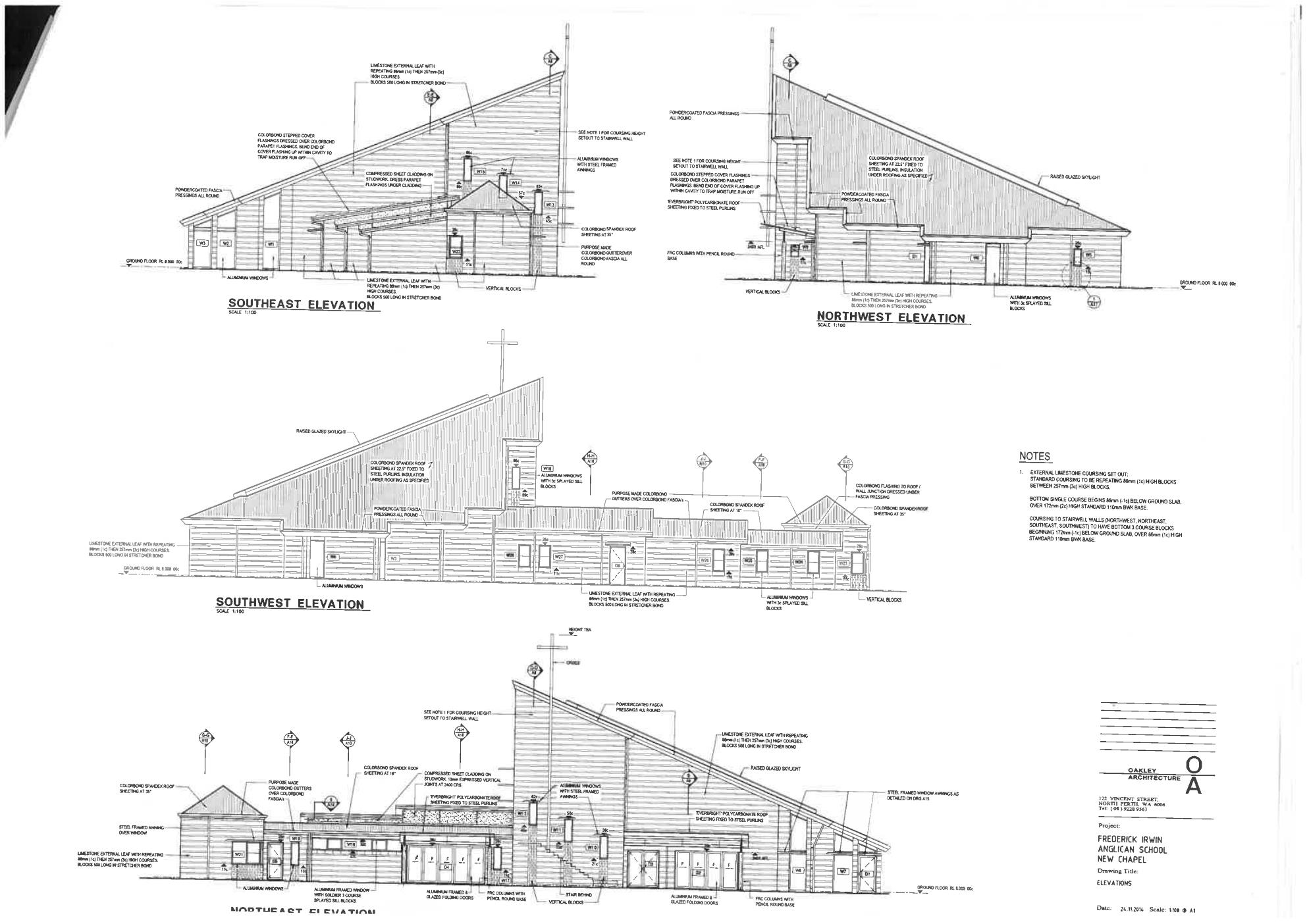 The heat load calculation was completed using a stratification methodology therefore only cooling from floor level to 3m and the remaining airspace heat being exhaust at the zenith. This was fairly straight forward however the program which NDY use TRACE does not have any modelling capability so its quite difficult to see if you have all the geometry correct. The next challenge was dealing with an architect which did not understand for a building to be functional it requires some mechanical cooling and the space which was allocated was vastly too small, so after doing 10 different designs demonstrating that the space was too small we finally came to an agreement. I believe architects here are still 10 years behind and drawing pretty pictures and have no idea of safety in design or engineers working in conjunction with architects!
Karratha Quarter, Karratha.
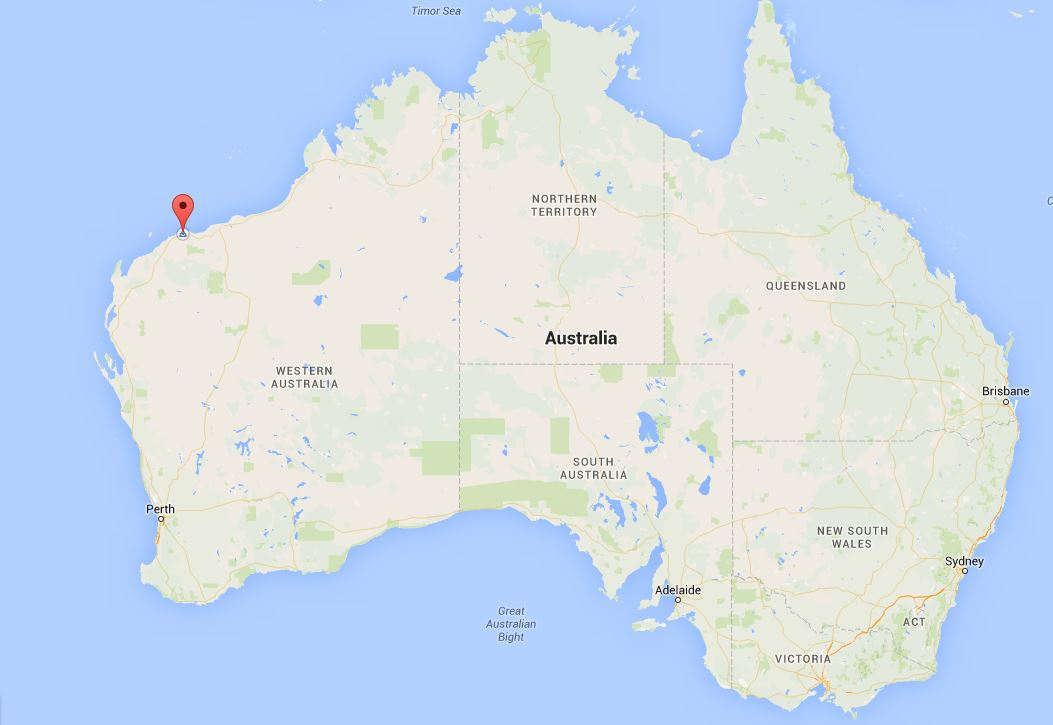
Karratha Quarter is a combination of residential, office space and amenities. Karratha is in the North of Western Australia, as can be seen from the image below and this has a very different envirnoment compared to Perth. The main work which I completed for this was checking tender documents, this was for all disciplines which has given me a broad spectrum of experience. This task was meant to be completed by Christmas and this is something which I have noticed since I have been with NDY is that dead lines are often missed and there seems little structure in the company on who controls which projects. The result generally is people being dragged from one job to another and being very ineffective.
Capital Square Tower 1, Perth.
Using my experience from site running BIM model clash detection meetings I have been asked to do the clash detection for all the services for tower 1 of Capital Square a new river side development. This is initially completed with a clash detection run by a program called Navis works, then me looking at all individual clashes and coming up with a solution which I feed back to the Revit 3D modellers. This is done in an iterative process completing all the clashes for Hydraulics initially especially drainage, then Mechanical etc etc. This is a long process but one which I can directly influence design and ensure the model reflects something which can be built which I have experienced first hand from Perth Children’s Hospital.
Life outside of work.
I have last minute been called up to do the Rottenest Swim as part of a team which is a 21km swim from Cottesloe beach to Rottenest Island, which is going to be a serious challenge with limited training, I also have swimming State championships coming up and then Hannah and I are off to Hobart, Tasmania for the swimming National Championships. So keeping fit and wet!
Engineering Management
The management of civilian engineers is really quite different from that of managing Royal Engineers. In twelve months as a project engineer, I have managed teams not only on diverse engineering projects but the people who make up the teams are potentially even more diverse. As a result, I have had to hone my soft skills to get the job done.
Military Culture. When I was a brand new troop commander I heard the term FIDO. I’d be surprised if anyone reading this blog hasn’t heard the term but for clarity I will explain the acronym. It means f**k it, drive on. It succinctly encapsulates the military ethos where the mission always takes precedence and the will to succeed despite shortfalls of manpower, time or resources means the job usually gets done. And credit to the Royal Engineers, in my experience the final job is usually more than fit for purpose. However, this inculcated culture could lead to a potentially one dimensional leadership philosophy where the commanders just shout louder and get angrier until they drive their subordinates to complete the job. I’d like to think I wasn’t one dimensional but I have certainly had to adapt and develop whilst on attachment. A single leadership approach can work in the Army because of the hierarchical structure, the discipline instilled in basic training and the excellent NCOs that enforce it. It also works because the people in the Army are generally different and more robust than their civilian counterparts.
The Army attracts a certain kind of individual, one who is comfortable with straight talking and potentially being told off if they’ve messed up. Also, the average age of a British Army soldier is 20 years old. There is a natural tendency for these younger soldiers to follow the instructions of older and therefore more knowledgeable soldiers. This discipline, understanding of straight talking and hierarchical structure means that when an order is given, even if not completely agreed with, it is usually followed. This means that things tend to move on a bit quicker.
Oil and Gas Culture Differences. I imagine that some of this will resonate with those in design offices in different industries but I have kept it to my own experience. The oil and gas industry has a very risk aware culture and in particular BP PLC’s top priority is safety first. Their mantra is “No accidents, no harm to people, no harm to the environment”. The average age of the oil and gas sector is between 46 and 49 years old. In the design office, they are nearly all qualified engineers, most will be at graduate level as a minimum. And, at age 46 to 49 there is a tendency to think they know best. Sometimes they do and sometimes they don’t. These engineers are often members of engineering institutions with clear codes of conduct regarding making decisions within the realms of one’s ability, they tend to seek a higher degree of assurance and as such they take their time.
Also, there is a functional structure to the organisation which means that the balance of power is held in different places. For example, and in military speak, the discipline engineers are OPCOM to their principal discipline leads but they are TACOM to the project engineers. (For those of you who don’t know OPCOM and TACOM you should be ashamed of yourselves. OPCOM means they get given the mission statement and can be broken down or asked to do anything – essentially the highest level of command. TACOM is what RE CS squadrons are to the BG. They are given tasks and priorities and can’t be broken down further). This confused split of power exacerbates the situation because with two bosses if an engineer doesn’t like a decision they can trade one boss off against the other.
Consequences
Consequently, if you ask someone to do something in the Army they will generally get it done. This is providing you don’t ask the bottom third LCpl or Sapper who’s been in for 20 years and passed over quite some time ago. It doesn’t even matter how you ask, it can be the politest “I’d like groundworks for the LSB complete by COP Friday, please” because this actually translates as “the groundworks will be complete by Friday unless you know of a good reason why they won’t be then let me know right now”.
In BP it seems that unless you get something it writing it is a bit hit and miss whether it will happen or not. The amount of people in the design office who are happy to agree with something to your face and then not do what was asked of them caught me out at first. For example, I might ask a vendor “I’d like all long lead materials ordered by Friday, please”. And what they seemed to hear is “if you can find the time and as long as it’s not too much trouble try and order the materials by Friday. However, this is very much a target and not a deadline”. This actually happened to me and the materials had a 20 week lead time and if they weren’t ordered soon then the job was unlikely to go ahead. Everyone was aware but the materials hadn’t been ordered because it was not the next step in their process. Don’t assume common sense will prevail, even with bright people, they like to follow a process. In my early days, I would naively believe that people would do as they say; nowadays I follow everything up with a desk visit and then an email. Just sending emails is too easy to ignore.
Continue to be polite and friendly (even if you don’t feel like it). It is important to be polite for two reasons. The first is that the people in the office tend to be nice individuals and they respond better to being spoken to nicely. The second is that as a project engineer I am not directly empowered to get them to do everything I am asking. Being polite and friendly gives the impression that you’re friends and it’s harder for them to refuse a ‘friend’.
Finally, be ready for the confrontation. Officers tend to be quite good at confrontation and you should be ready to use this line of action if required. Be prepared to stand your ground but have the technical, financial or project detail handy to back you up. You can usually tell when a conflict is coming, try and work round it with a smile but make movements early to have all you ducks in a row. A confrontation without evidence is at best unhelpful and at worst undermining. I successfully, and publically, argued with a process engineer about the sizing of a shell and tube heat exchanger. He was trying to throw a spanner in the works and was being particularly obstructive. So in a meeting I produced evidence from the design report from a process engineer stating that the STHE was fit for purpose. He was promptly told to get on with his job. Without the evidence to hand, he’d have tied my in knots and would have shouted me down.
It goes without saying that you need to be firm and as a leader you need to be strong willed. As any kind of successful leader clear and concise communication is important as well. These are skills that come more naturally to us. However, working in BP has definitely honed my soft skills when it comes to leadership and management. Some top tips are:
- When you say deadline they hear target.
- Use explicit language and ask for exactly what it is you want and don’t think you’re being patronising.
- Follow up any agreement with desk visits and emails.
- Be polite and give them no excuse to put your request to the bottom of their to-do list. Also, get round and ask people’s names, know their interests and ask about their weekend. It is hard to refuse a friend.
- Continue to use common sense. Understand the project lie cycle and when the engineers would normally complete steps. If required, intervene and make sure the overarching aims are borne in mind. As military leaders, we tend to be quite good at this anyway.
- Be ready for a confrontation with evidence. Do not think you can argue your way out of something with platitudes. Only use as a last resort.
On your last day at work you can tell people what you really think of them if you so desire but I would’t advise it.


 Holdfast Training Services Trial Blog