Archive
Temporary works for engineers course
Temporary works for engineers course
This week I attended the Laing O’Rourke Temporary Works for Engineers course. I thought I would make some reflections on the course by considering its relevance to the Royal Engineers and the role of engineers on site in solving temporary works challenges. I recently said I would avoid text heavy blogs so I am already breaking my own rule; therefore I have stolen some pictures from Google to break it up!
I have uploaded the pre-course assessment as a general level of expectation of the knowledge of the engineers prior to attendance.
The course was run by the head of the Laing O’Rourke Temporary Works office, Kit Yardley, supported by their senior geotechnical engineer, Keith Miller. The target audience for the course was civil engineering and building graduates who had gained significant site experience (therefore about 5 years since graduation). The aim of the course was “to give participants a working knowledge of temporary works, group procedures, use of the Laing O’Rourke precast assembly manual and the use of current EN/BS standards and guidance in the industry”. The course achieved this aim and effectively covered content within the PET (C) structures, foundations, applied structures modules condensed into only 3 days with a fairly healthy A4 folder to take away.
Course content – PET officers are well prepared technically.
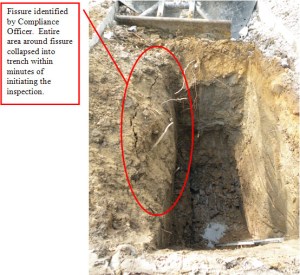
What is the safe depth of an unsupported excavation…
The participants were not required to take in all of the subject matter but become more aware of risks of working with, and designing, temporary elements. The course content included cranes and hoists, soils, excavation support, formwork, falsework, backpropping, concrete pressure, scaffolding, loading platforms, pile/crane mats and many other temporary works structures. I found it comforting that the majority of the theory behind each of the topics was covered on the PET course, where others clearly had not recently been refreshed in modules I cited above. Most of the participants completed the pre-course work getting all of the answers correct, although a couple struggled with question 8.
Experience required.
The area which was unfamiliar to me was the understanding of proprietary systems that are used for falsework and the Laing O’Rourke precast system. While this sort of knowledge can be gained now on site, it is somewhat symptomatic of the imbalance of site experience PET officers have compared to their technical understanding gained on Phase 1. I believe it is better to have a technical understanding which is then enhanced through gaining practical experience on site.
Temporary works course for military engineers.
I would strongly argue that with a little tweaking of specific lectures from the PET course a very thorough and relevant temporary works course could be delivered to military construction forces. The challenge would be to deliver sufficient practical information to the MCF. There were numerous insightful examples of good and bad temporary works practices delivered during the Laing O’Rourke course, supplemented with photographs, sketches and You Tube clips and so I am sure relevance to military engineering projects could easily be achieved.
I think a temporary works coordinator course would be a useful addition to the set of tools delivered to an MCF project delivery team. The ability to recognise the non-designed temporary works that are required for a project to be delivered, and how they are to be managed (identified, designed, checked, certified, monitored, reviewed), would only improve the efficiency and safety of a project.
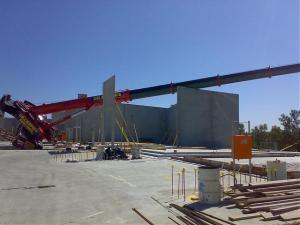
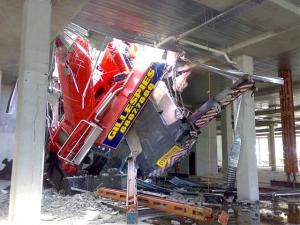
- Cause of failure? Prop locations, different crane used to that designed for, outrigger spreaders
Conclusion
My initial view of working on a Laing O’Rourke project is that they appear pretty diligent regarding temporary works challenges. Their engineers get site experience after graduating from a civil/building degree. There is a rotation between sites (it seems everyone will do their time at Hinkley) to gain broad experiences. When suitably experienced, engineers are trained (refreshed) in engineering principles to strengthen their ability to manage and lead temporary works. This seems pretty analogous to officers within the Royal Engineers but perhaps a slightly greater emphasis on temporary works for the wider Corps MCFs should be made (as well as the many other courses they are now advised to complete) as we move back into an upstream capacity building role.
Quick, there’s a condition…!
A short one this week as I finish off my first draft of AER1 – wow they come around fast!
WARNING – GRATUITOUS MUD SHOTS!
The majority of my site is London Clay, unsurprising given it’s location. Damo’s site is similar. I know this as when I met him in the pub last week he brought some to show me! The clay here is so overconsolidated that it has started to form localised soft mudstone deposits. Therefore it is to water what John’s worked examples were to me: impossible to get through!
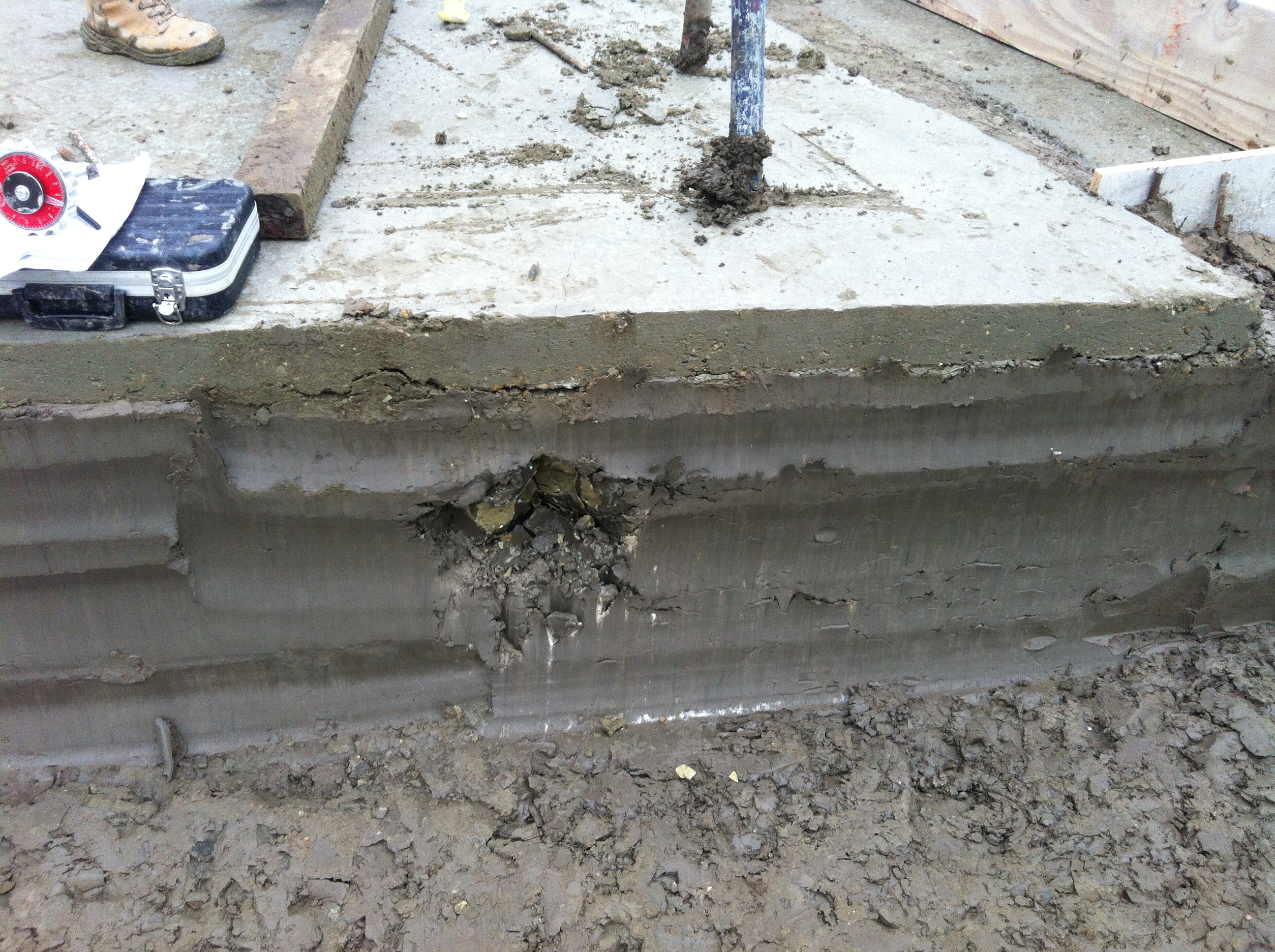
Area in general
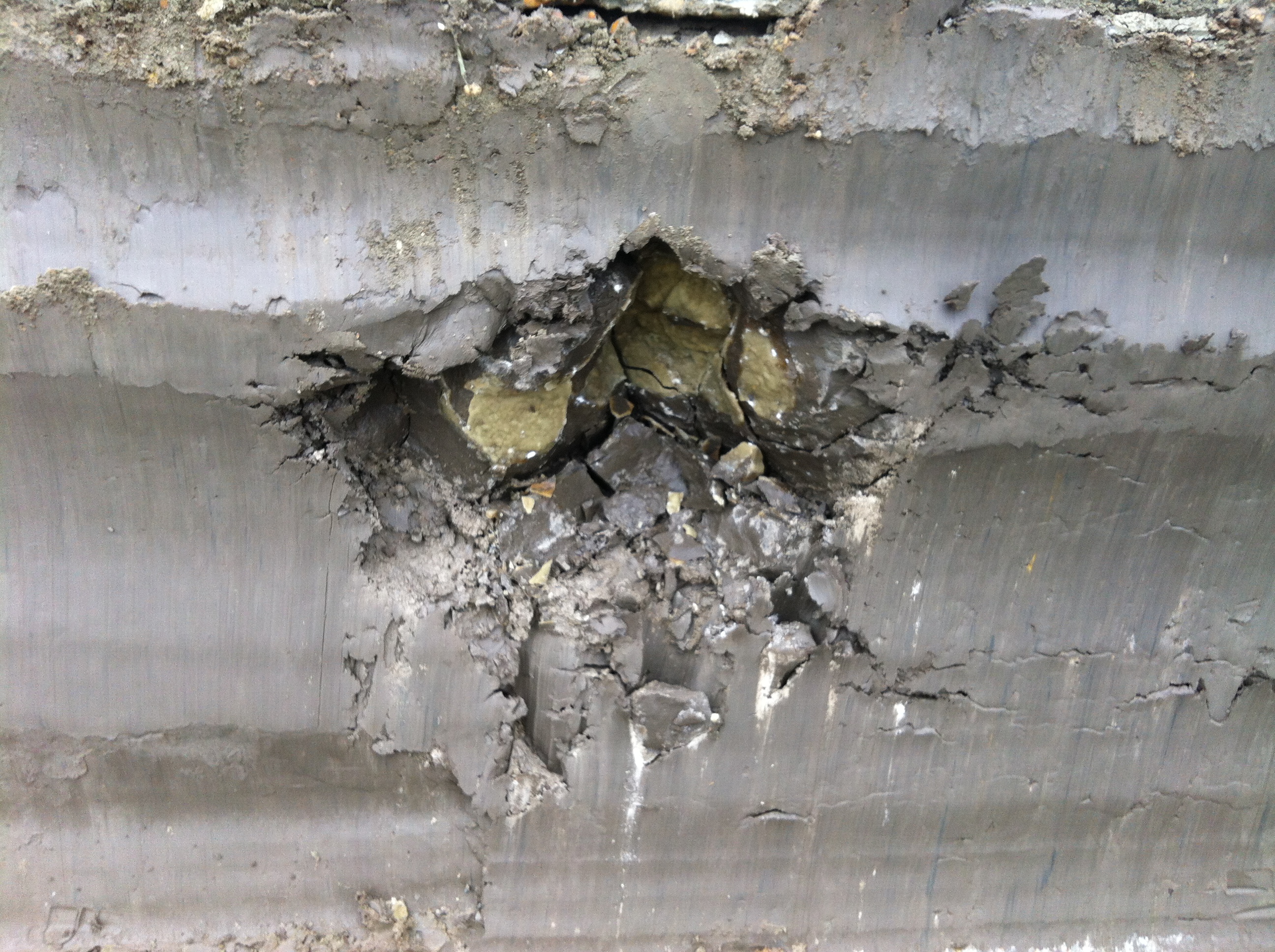
Area in detail
The clay is overlaid by river terrace deposits, a much more permeable material. And since the whole site is one big cofferdam I’m fairly sure I’m getting flash-backs.
The clutches on the sheet piles have been welded down to the puddle flange which will eventually sit at the bottom of the slab. Below this they’re not welded and in the sandy gravel areas this has led to water flowing in under formation level.
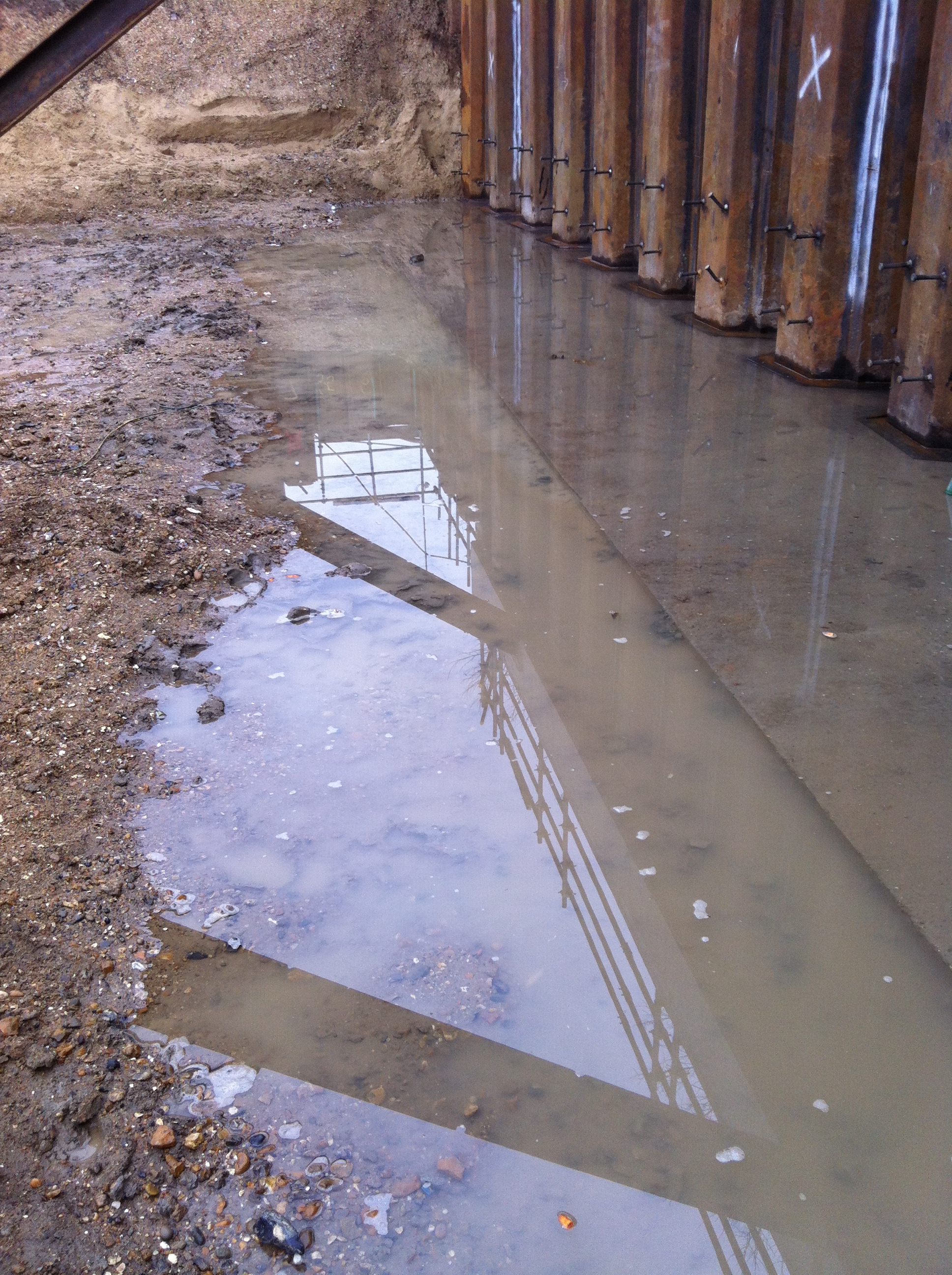
The spec states that where there are localised areas of clay in the sandy gravel, that it should be removed and replaced with type 1 or concrete blinding. But it makes no mention of areas of coarse material within the clay. So when an area of sand was found within the clay the sub-contractor kept digging in an attempt to find the bottom. And then stuff started sinking. Most notably a bloke holding a levelling staff.
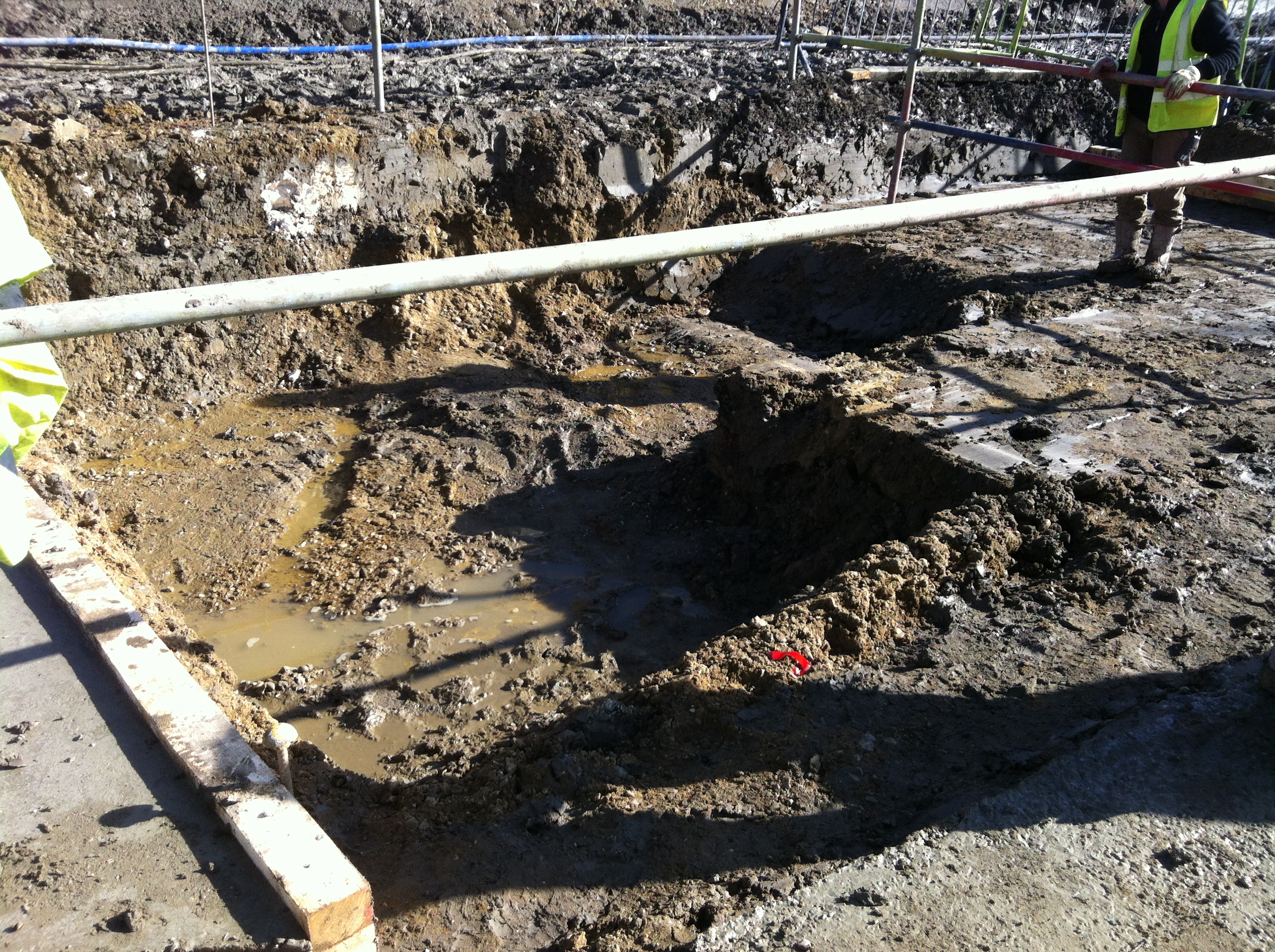
Dig for victory!
They’d made two mistakes. They hadn’t considered why areas of fine material in course need to be removed, but areas of coarse in fine don’t – settlement. And by trying to dig to find solid ground they had created a hydraulic gradient and therefore a quick condition.
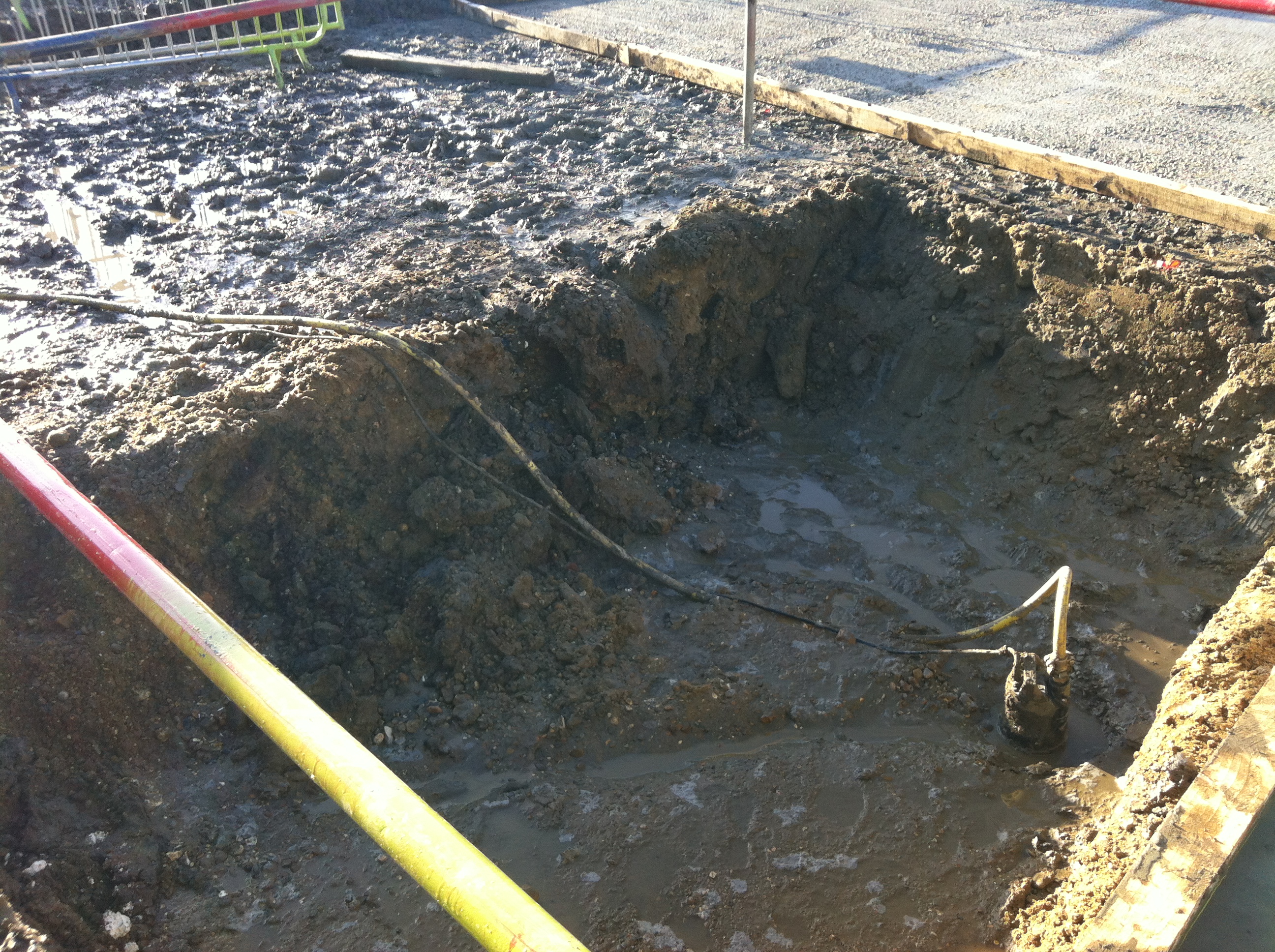
The sandy hole
Once they stopped digging and started pumping the ground solidified. They filled the hole with some concrete that got rejected from a tower crane base pour (another story involving slup tests) and continued on their merry way!
 Holdfast Training Services Trial Blog