Winding down
With a month to go left on site I’m conducting testing of drainage, finishing off the blockwork and still arguing over builderswork.
For the phase 1s: Manhole testing is something you will likely come across and dependant on the designer will either be completed in accordance with BS EN 1610 or (as in our case) a more stringent standard defined in the designer’s specification. In this case that is imposed by the designer due to the local authority’s own more stringent standards.
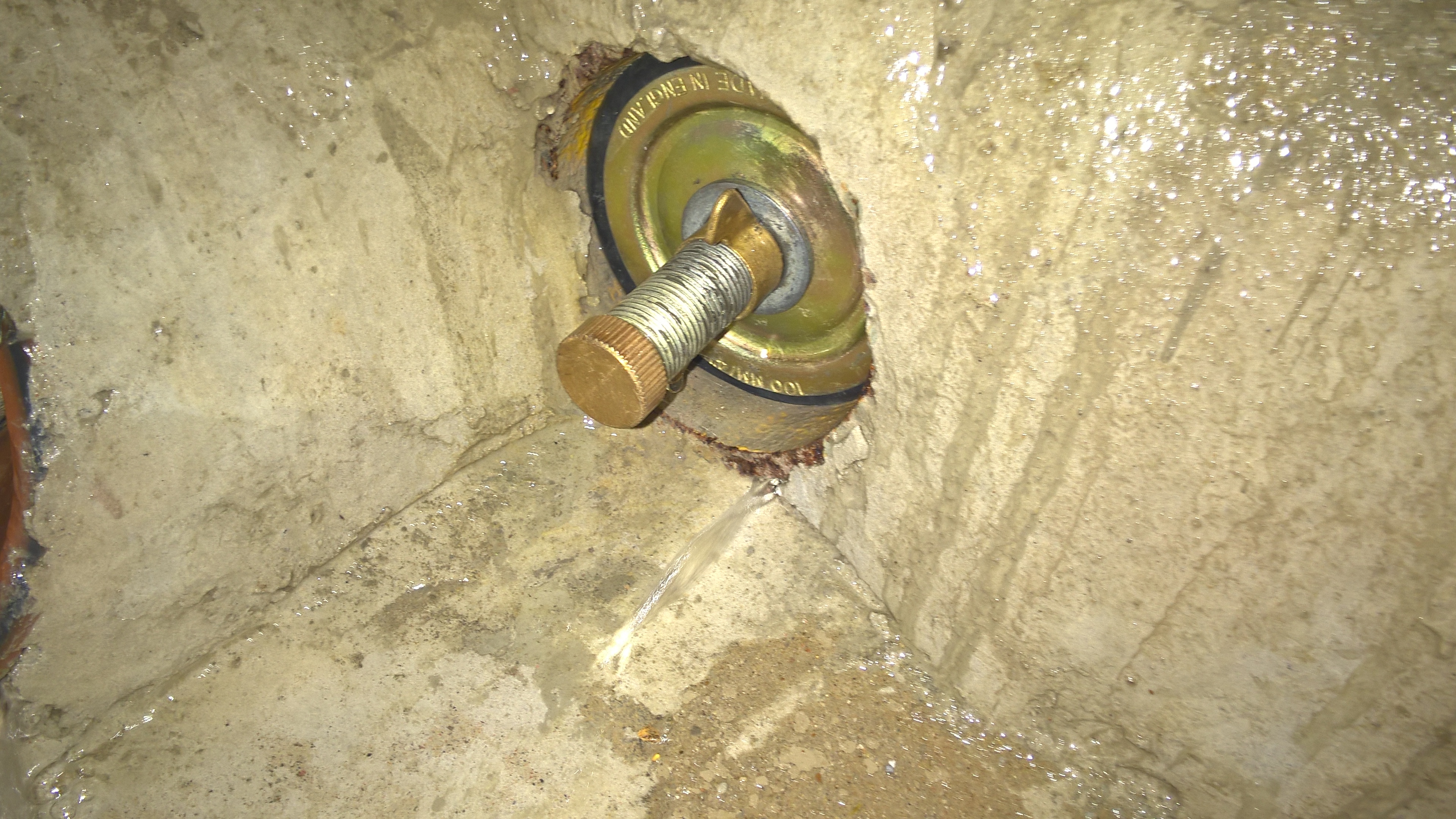
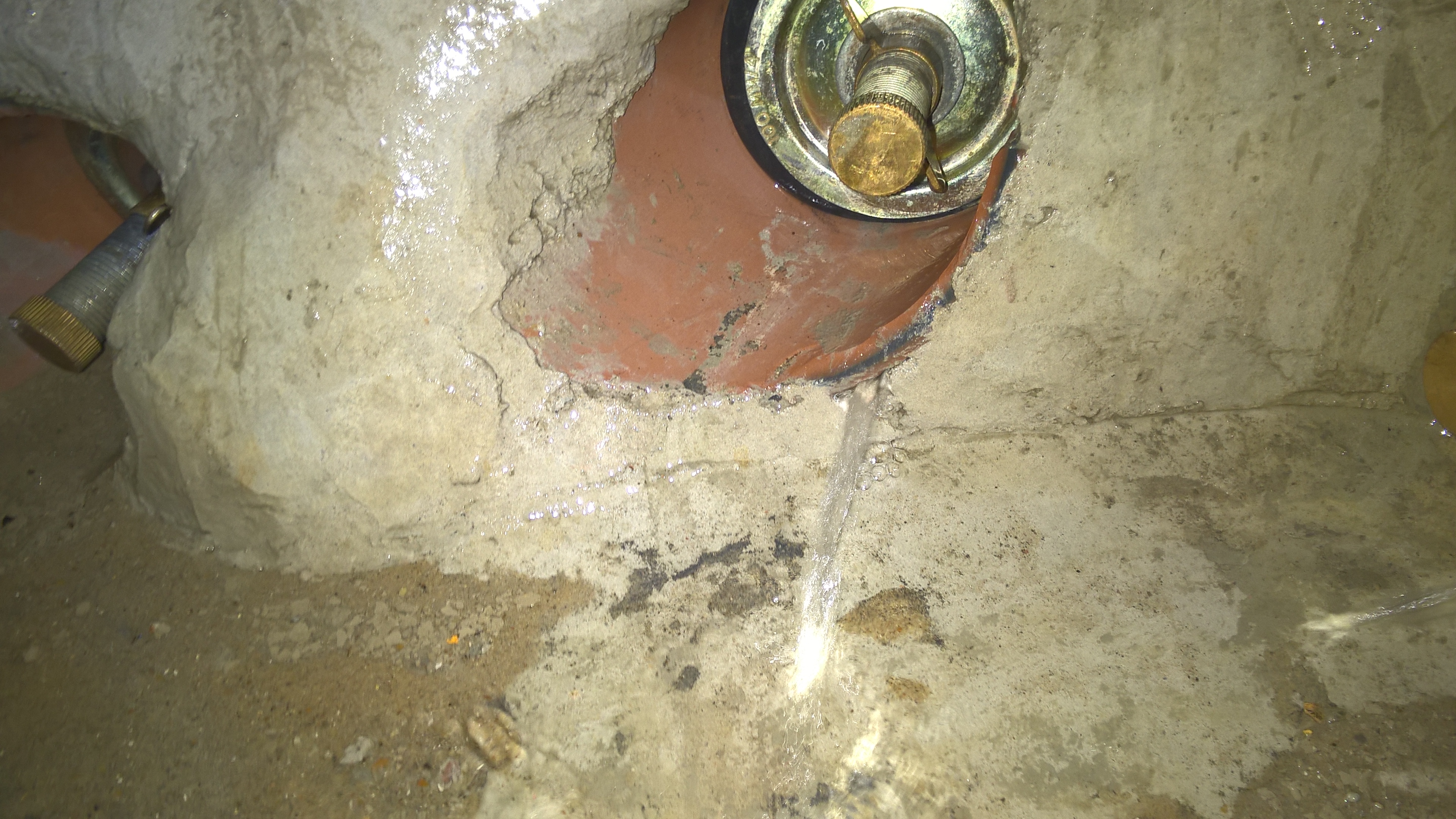
Effectively we fill the manhole with water, leave it for an hour to settle (for water to be absorbed into the concrete and air bubbles to escape), top it up to the original level then start the timer. After 30 minutes we measure the drop. If it’s less than 25mm it passes, more and it fails. Failure results in issuing an NCR (Non-Conformance Report) and tell in the sub-contractor to fix it. Four of ours have failed, mostly due to leaks where the pipes are fed through the pre-cast concrete rings that form the side of the manhole. The sub-contractor is planning on re-sealing the inside using a cement based sealant that is applied to the inside by a hand trowel.
As the blockwork nears completion the M&E (that’s “mechanical and electrical” in the civvy world not “mines and explosives”) contractor has decided this is great time to alter his builderswork drawings that show where they need holes to pass their services through.
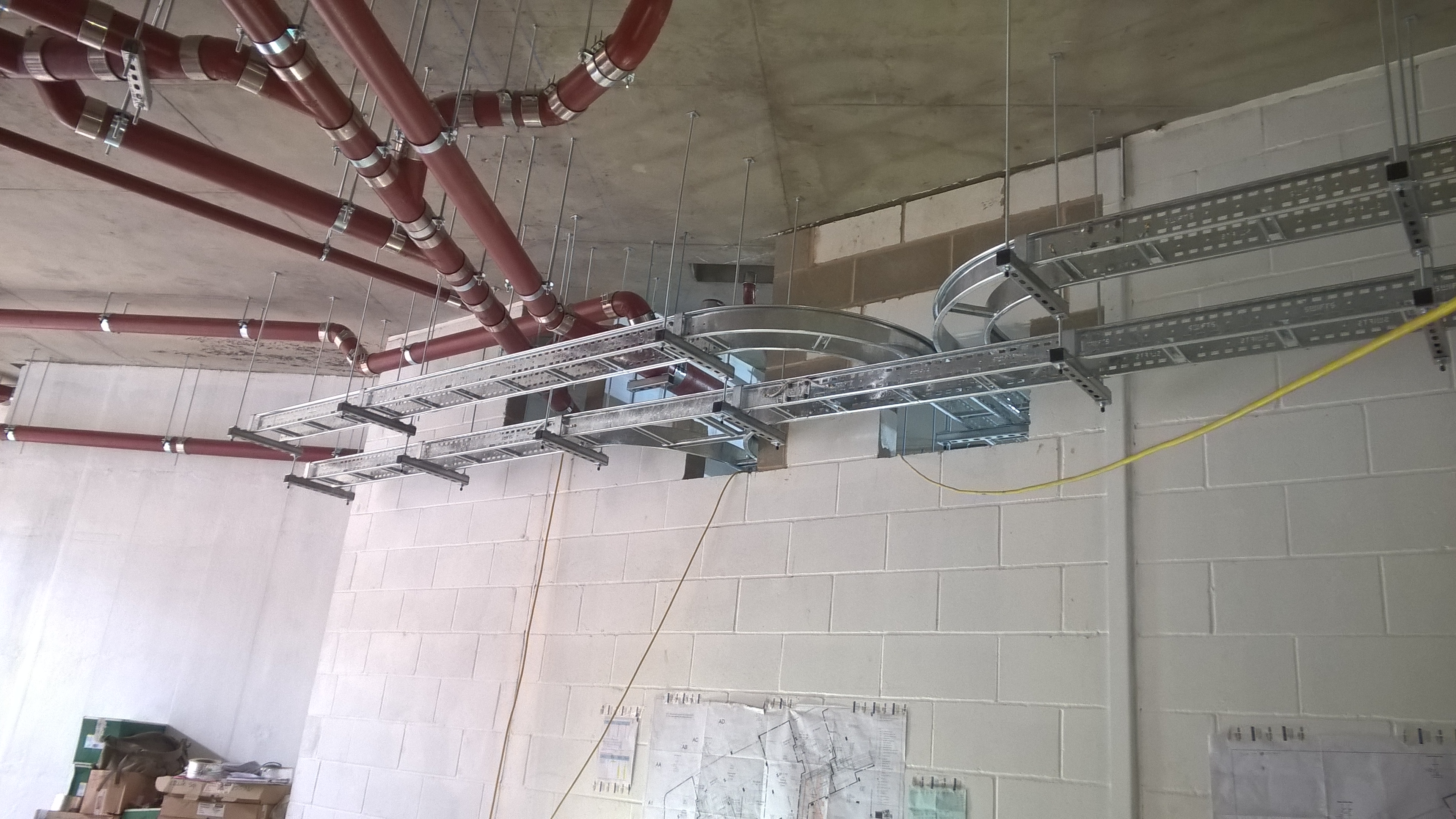
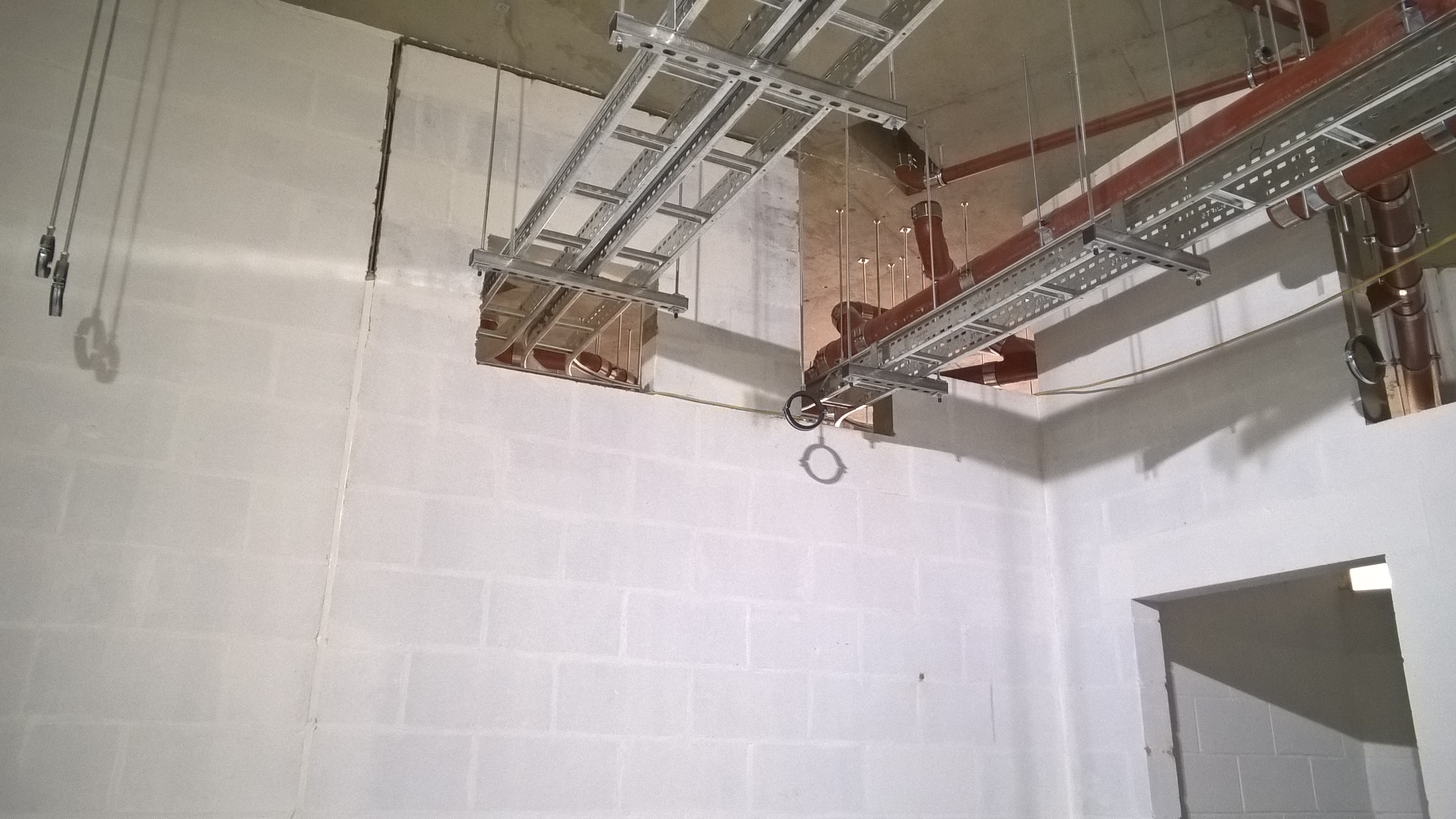
The issue with moving the builderswork is not just that the hole needs to move, but the whole fabric of the wall. Where we have a double skin wall that includes all the insulation and waterproofing, and in some cases a windpost.
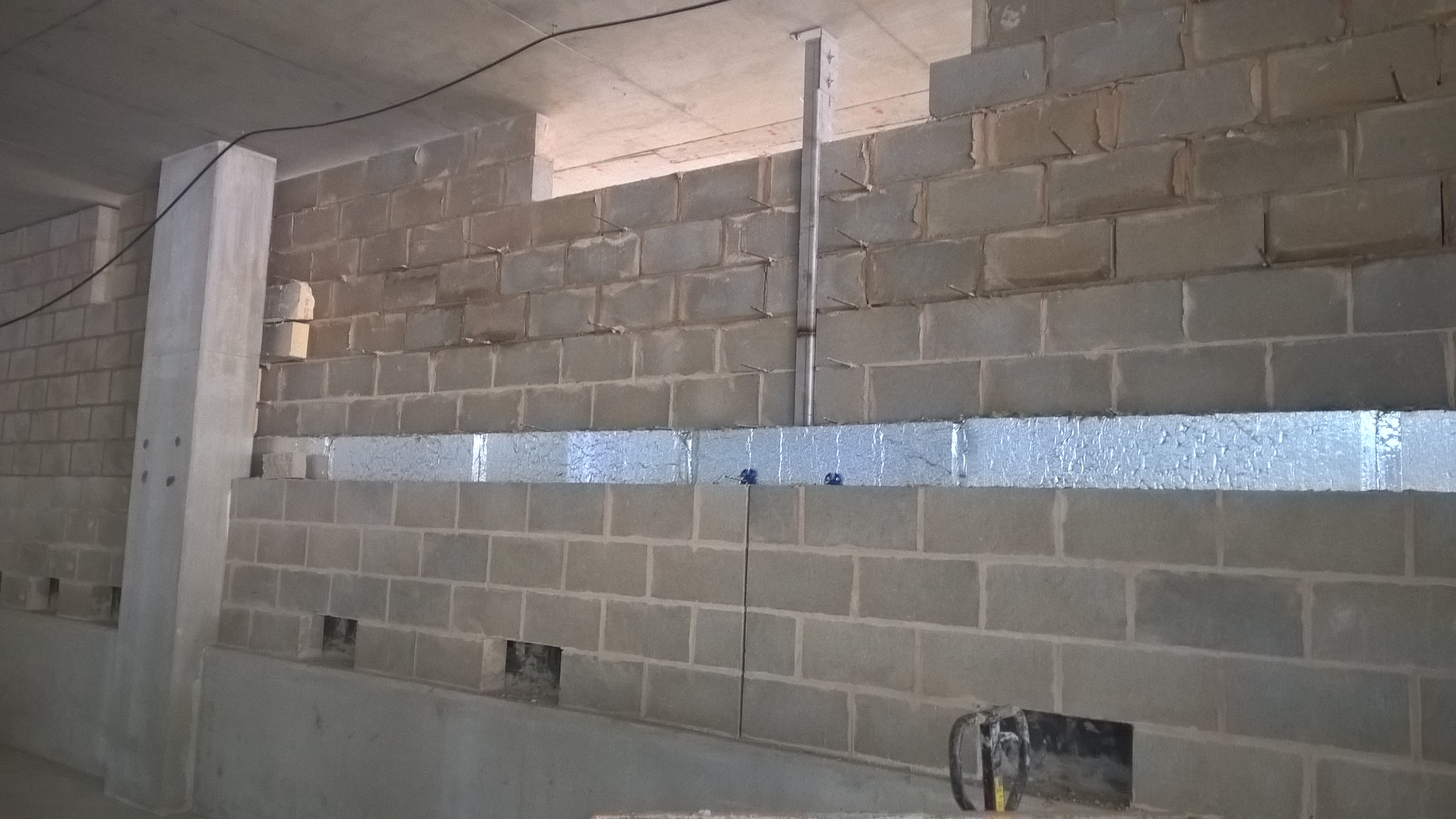
All the blockwork I look after is in the basement. So why does it need windposts I hear you say?! It’s because in the temporary state the building isn’t sealed and therefore wind can get in and apply a horizontal load to the face of the blockwork. In the double skin locations the windposts and located in the internal skins (so they are hidden by finishes) with a movement joint located in the same place on the outer skin.
For those of you who are overseas: You might well be in sunny Australia or gun mad America, but I went to the Rugby World Cup opening ceremony and England vs Fiji, so in my books – I win!


For those phase 1s who are reading this while on exercise Steel: Stop it! Watch Scotland vs Japan instead!
 Holdfast Training Services Trial Blog
Guz, the drawings on the Support Helicopter Simulator at Benson were so poor that we had a diamond drilling team permenantly on site for about three weeks to allow us to connect the ductwork between the floors. We were only able to get away with some of the penetrations because the building was being insured by a Canadian company and they had insisted on designing to Canadian codes. These allowed for some unbelievable depth of snow as a dead load, so the building was massively over designed for sunny Oxfordshire.
That is amazing. McAlpine are also building the new US Embassy in Vauxhall. I am told that because it is a US government building and they don’t trust anyone “foreign”, including us, that they have duplicate steel deliveries from two different suppliers delivered each day and they select one at random to come in! Crazy! Especially when you consider it has both a concrete and a steel core to protect it from aircraft strikes!
Guz, sounds like a busy final month! Good to see the manhole tests – are these internal to the building? Was there any waterproofing sealant used on the inside on the manholes?
Wind posts are rearing their head for our basement blockwork wall. The blockwork fill form a liner was between the secant piles and drained cavity. Approximate height of 1.7m and between basement level 2 and 1, so about 4m below ground level. Where does wind loading start, as in above/below aod? With a perimeter wall I can’t see it serving much of a purpose… Internal walls more so as you could have suction and push effects.
They’re in the basement mate. All the manholes were (supposedly) from in the inside using the cementitious sealer. Clearly they didn’t do a very good job.
I’ll send you our wind calcs by email so you can have a look.
Thanks for sharing that Guz. The benching on those chambers looks pretty shocking. Woudl you agree that the expresion windpost whilst absolutly the industry standard and technically corect is a little misleading adnit is actually a horizontal restraint post i.e. deals with all horizontal actions on the wall? One of the worst I have encoutered was in Dixons/PC world. where shelving was cantilevers out from the wall. OK for printer cartridges, a lttle more onerous in TVs and pretty horrendous in washing machines (Currys’ shelving systems – honest. Are your walls going to provide horizontal restraint for storage or other systems? Are they at risk of vehicle impact? What are the actions…
There is a risk of vehicle impact as the majority of the basement is a car park. To get around this we have placed the susceptible blockwork onto 850mm high RC upstands. In plant areas there is still a chance of impact from fork lifts and the lke, but obviously the energy involved is much lower, so this has been considered within the “windpost” design. While obviously we cannot stop the client hanging shelves and the like from the walls, the M&E installers have been prohibited from doing so.
Interesting! I can appreciate the desire to deal with vehicles as has been done. The risk from plant room works being included in the wind posts is what I would expect and therfore note that, as you say, wind loading is much more than just wind!
Incidentally unless there are notices fixed to the walls and included wihtin the M&E manual I would suggest that there is every possibility that futrue plant upgrades/changes will involve the new system being bolted to the wall before the old one is decommisioned and removed. Of course a sensible contractor will ask that some poor sap assess the walls for suitability to carry the load first and then…
Nothing would surprise me.