Materials Audit
Following loosely on from the current E&M theme of FATs and SATs I today visited the BP warehouse to check the materials and fabrications for one of my projects. the warehouse is operated by ASCO and located nearby in Dyce. The purpose was to check that the materials delivered matched the requirements of both the BoM and design drawings. The warehouse is pretty much brand new and accommodates both spares for existing platforms and the materials for repairs and modifications. Warehouse pictured below:


Materials are held here and ‘called off’ when required, which involves packing the materials into shipping containers and delivering them by road to Aberdeen harbour where they are transferred by ship to the offshore platforms. Upon auditing the materials for the project in question we found everything to be present and it looked in good order:


Whether the materials reach the platform in the same condition and complete is another matter. Compared to the plant in Stu’s post, the internals are protected from ingress and corrosion with blanking plates. We did however had a look around the warehouse and there were materials (not related to my projects) in a similar condition to what Stu found:
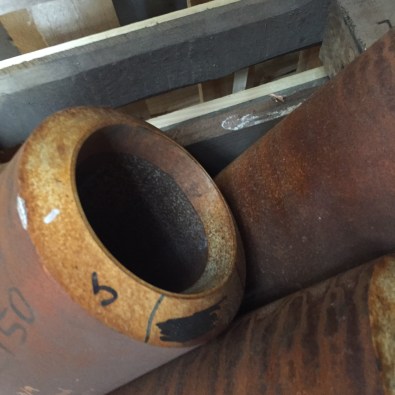
It seems to be down to specification. The blanking plates and protected ends of the pipes and valves are specified by BP and the slightly orange pipework above is likely to be blasted and painted as per BP spec if it ever used offshore. As to the effect on flow of internal corrosion I’m not sure. Maybe a topic for a TMR…
Also of note were the PPE requirements. We required safety boots, goggles, hi-viz and hard hat as a minimum to enter the warehouse. A bit different to the farmyard Stu visited by the looks of it. Even Gary’s hi-tech factory visit seemed to allow a ‘come as you are’ policy. Probably one of the many offshore safety aspects that permeate through to the onshore parts of the business.
The total value of the materials checked was £38,000. Not bad considering they are all custom fabrications to the project specifications and designed to withstand both the offshore environment and the corrosive hydrocarbons they will contain. The value is also a pittance compared to the $2.5 million per week of product which will flow through them.
 Holdfast Training Services Trial Blog
Were you required to inspect certificates of conformity and other QA paperwork, or was it simply a visual inspection Sam?
Jim
Hi Jim,
It was just a materials check. BP have an internal validation system which handles the certificates, which sees each modification or repair ultimately signed off by Lloyds register. Without the Lloyds certification the ‘Safety Case’ for the platform would be invalid and they’d lose the privilege to operate. Quite a complicated process so I’m glad there are dedicated teams at BP and Wood Group who handle this side of things! I’m ultimately responsible for ensuring the validation is completed for each of my projects but don’t actually have to do the legwork.
QA is as you’d expect quite high in Oil and Gas. As an example the vendor for the valves pictured replaced the valve seats a number of times at their own cost as they weren’t happy. This was despite them meeting the BP minimum standards!