Home
> Uncategorized > Construction micro-organisms: Anthrax from contaminated land and buildings
Construction micro-organisms: Anthrax from contaminated land and buildings
I have just had to do this weeks “Safety Moment” presentation for my Programme Office. For this I decided to do an unusual risk but one that is present on my site and could be present when we as the Army operate overseas.
BLUF: A very small likelihood but given a lot of attention due to the possible consequences.
- What is Anthrax. Anthrax is primarily a disease of herbivores (plant eating animals). Humans contract it as a result of contact with infected animals or animal products. In humans, the disease takes one of three forms, depending on the route of infection. Cutaneous anthrax, which accounts for more than 95% of cases world-wide, results from infection through breaks in the skin; intestinal anthrax results from ingestion of spores, usually in infected meat; and pulmonary anthrax results from inhalation of spores.
- Anthrax in the UK. The UK has an exceptionally low rate of anthrax, and nearly all cases since 1981 have been associated with imported material. Of the 19 cases reported, in England & Wales between 1981 and 2009, all but one were cutaneous.
- Cutaneous Anthrax Explained. Cutaneous anthrax usually occurs through contamination of a cut or abrasion, although in some countries biting flies may also transmit the disease. The first sign of an anthrax infection is a small painless inflamed swelling like a pimple or boil.
- Pulmonary Anthrax Explained. In pulmonary anthrax, inhaled spores multiply to cause disease that affects the entire body instead of a specific organ. This is an occupational disease encountered in industries in which the workers are exposed to high levels of spores in dust. Pulmonary anthrax, although exceedingly rare, are both more dangerous than the cutaneous form because they are usually identified too late for treatment to be effective.
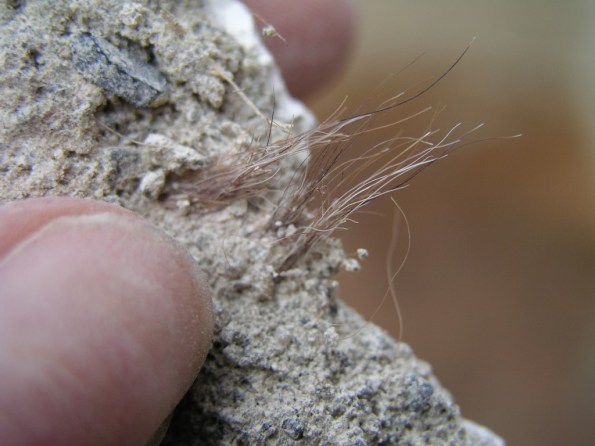
- Anthrax in construction and demolition. Animal hair has been used as an ingredient in internal plasters for centuries. The best hair was obtained fresh from the tanners yard. Controls for the prevention of anthrax have existed since 1919; however, there is no guarantee that hair in plaster used before 1900 was not contaminated in the construction industry. In addition controls were not greatly enforced until after WWII.
- Risk. In reality, the risk of developing an anthrax relating infection is low so long as suitable and sufficient risk assessments and management plans are adhered to.
- Mitigation Methods.
- Basic.
- Cover cuts and abrasions
- Keep hands clean
- Wear suitable PPE (e.g. disposable gloves, overalls)
- Prohibit smoking and consumption of food and drink
- Ensure plaster is handled and disposed of in accordance with local and statutory controls and dust generation is minimised.
- Personnel informed of the risk and the risk management system.
- Respiratory Protective Equipment (RPE) – wear RPE if removing old plaster containing animal hair. Choose RPE with an assigned protection factor of 20 (eg FFP3 disposable mask or half mask with P3 filter). For longer duration work consider powered RPE with the same protection (eg TH2 powered hood / helmet).
- Basic.
- Military Construction. The Royal Engineers need to recognise that in the future operating environment a large amount of construction will be refurbishment of existing buildings on brownfield sites. Contamination of these sites is to be expected and the only tools in the military’s arsenal to deal with this is CBRN equipment and TTPs. The Royal Engineers should consider gaining the skills necessary to deal with its own contaminated sites overseas whether it be Anthrax, Industrial Chemicals or Asbestos.
Categories: Uncategorized
 Holdfast Training Services Trial Blog
Thanks James for a very interesting blog.