DYNAMO MAGIC
Intro
I’ve recently started my phase three attachment with Arup in Sydney and I’m working within the structural team on the Metro Martin Place project which involves:
- demolition of existing buildings
- tunneling for new underground rail line,
- integration with existing underground rail line
- excavation for 5 underground station levels
- construction of two towers with link beneath existing structure (current Macquarie Bank HQ).
A project which Macquarie Bank offered to deliver for NSW government in return for an unsolicited proposal.


Figure 1 – Metro Martin Place Project
Structural Load Take-down
One of my first tasks has been to conduct a manual load take-down for the Northern tower in order to both; produce output which will inform design and, to verify the output of the ETABs model which will be used for further analysis.
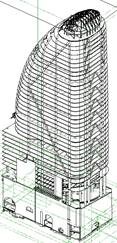
Figure 2 – Northern Tower
Dynamo – http://dynamobim.org/learn/
As part of my load take-down I have been asked to use software called Dynamo to provide a code script which will automatically calculate tributary areas for columns on all floors (save lots of time and enables quick auto change to calcs should design/model change) by taking data from Revit, computation in Dynamo then export to excel . Currently working with another Arupian to try figure it out as it has previously been attempted but not finished. Its blowing my mind at the minute as I’ve just started looking into it – if anyone is secretly a king coder and think they can do it then there is a wham bar in it for you…..
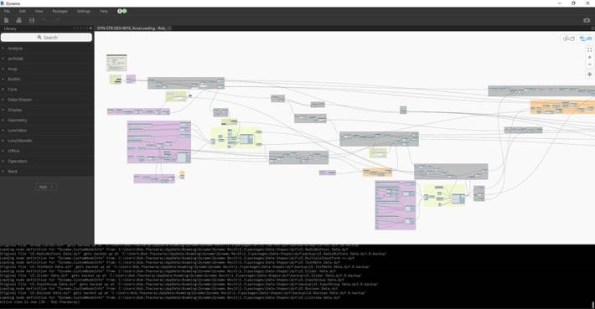
Figure 4 – Indication of current complexity of script map to compute something relatively simple
 Holdfast Training Services Trial Blog
Wow, Coding in order to do a quick sanity check on another computer model! I’d have thought that you could have done something very rough and ready by hand in half the time sufficient to know the model you’re checking is giving results in line with expectation? mind you, how is the tower working for stability? It looks like a braced tube or is there a shear core hidden in the middle somewhere?
G’day Rich.
The majority of design is going to be done from the output of this ‘manual’ load take-down so needs to be pretty accurate. They want to be able to check and track the load. ETABs used for other non linear analysis.
Stability in different forms as you go up the building due to deaign – station box up to G, then cores which terminate at different levels, then bracing on three elevations for the remainder. It’s still a bit floppy so looking at trying to get some bracing onto the other elevation as the design for that elevation is changing anyway.