Archive
Filling the Royal Docks
I have been tasked with the assessment of the feasibility of infilling part of the Royal Docks with material reclaimed (almost all fines) from the surface of a site adjacent to the site. This is to maximise the available land on the site and reduce the need for offsite disposal. Beckett Rankine have been tasked with working out how this can be done prior to it being tendered as a D&B contract.
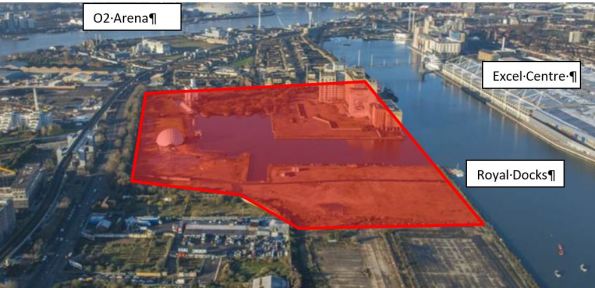
Site Overview.
The problem is they want to infill this part of the dock:
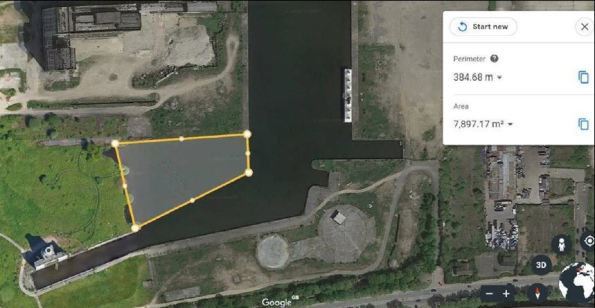
The surrounding walls on the north and west of the site are in horrible condition so can’t be relied on for support. We are required to provide a high-level concept design of how this can be done.
The ground conditions are:
- GL is at +5m
- Water level is around 4.2m – 4.8m depending on the dock level.
- Made Ground, Alluvium and dock sediment down to about -3.8mOD
- River Deposits _1.5m to -6m (+7m head on GWT, probably governed by the Thames and more importantly the adjacent dock!).
- Lambeth group -6m to roughly -16m (acts as a cut off between hydro regimes)
- Thanet Sand -16m to -29m
- Chalk -35m to -38m
Currently we have 3 options:
- Double skin sheet piled wall (like they have used on Tideway structures on the Thames), dewater inside, then infill.
Pros:
- Structure will be strong enough to support the large lateral water pressure.
- Will allow access to what the cofferdam so the alluvium at the bottom can be removed
Cons:
- Large costly structure requiring material to be brought on site as the infill.
- Large single wall, either contiguous or sheet pile, dewater, then infill from the bottom up.
Pros:
- Much simpler structure.
- Will allow access for personnel to compact layers and remove alluvium.
Cons:
- Continguous piles are unlikely to keep the water out. Large pumps will be required.
- Sheet piles will have to be large to avoid potential buckling.
- Sheet pile, then don’t dewater, remove the dock sediment by dredging, then just infill and vibro compact and use displacement to get rid of the water.
Pros
- No dewatering
Cons
- Not easy to remove alluvial filth at the bottom of the dock.
- How to effectively dewater the fines and prevent long term settlement
The key issues we are having are:
- Identifying which would be the best structure?
- How to ensure that the fines being used as infill are suitably compacted or stabilized to avoid long term settlement?
Anyone got any words of advice or any other similar projects they have come across?Currently we are investigating what has been used for land reclamation techniques on the Thames Gateway, Dover extension and Tideway.
 Holdfast Training Services Trial Blog