It’s the simple things that can kill you
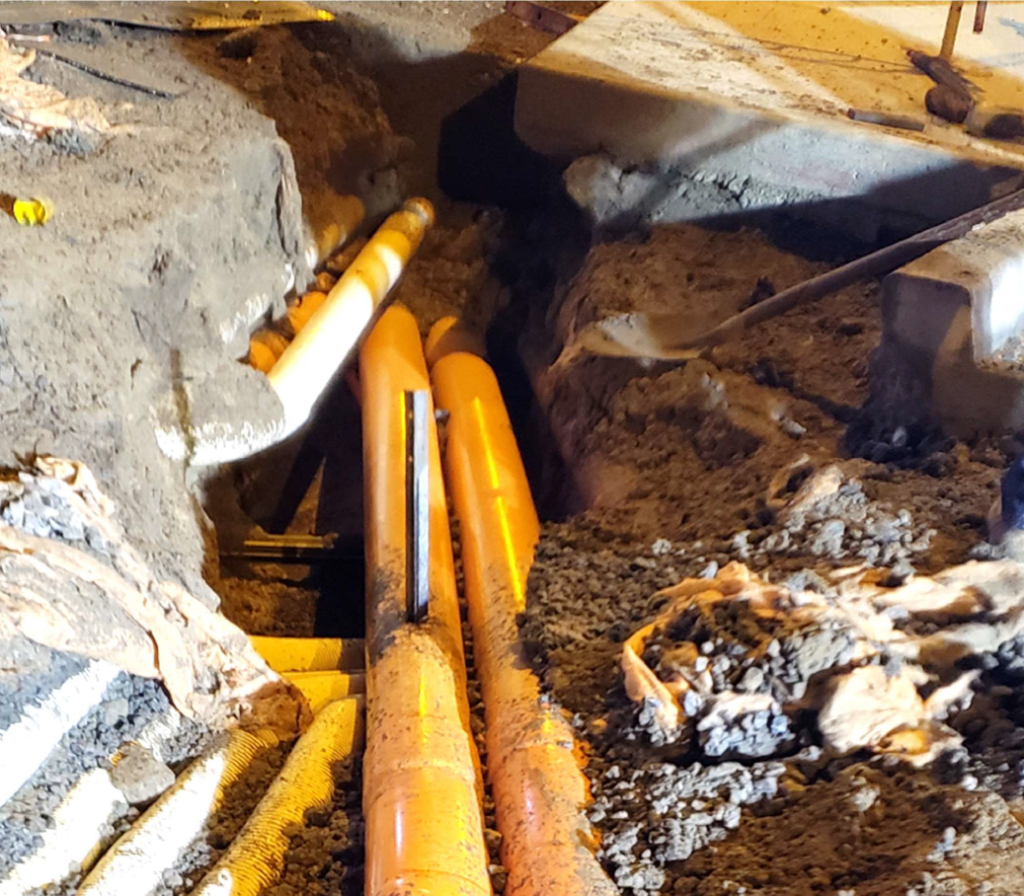
One of the labourers on my site is lucky to be alive. A few of weeks ago he was removing a star picket (think 2-foot picket) from the ground by hitting it from side to side with a sledgehammer. One of the blows resulted in a 1.5m (reportedly) spark coming out the top of the picket. The labourer was unharmed thanks only to the insulated handle of the sledgehammer and his safety boots.
They were removing formwork from a pram ramp which they had built the day before and had no idea there was an 11kV cable underneath them. The investigation has identified a significant number of lessons, but I feel it all came down to attitude.
- The contractors doing the work were complacent and not engaged with the risk management process.
- The foreman had cut corners by getting a labourer to brief the contractors and had not properly read the permit to excavate.
- The engineer wasn’t engaged with the work and had provided a permit to excavate which was hard to read.
- The senior project engineer who had signed off the permit to excavate hadn’t done their due diligence when reviewing it.
All of this was because they had the attitude that the activity was low risk.
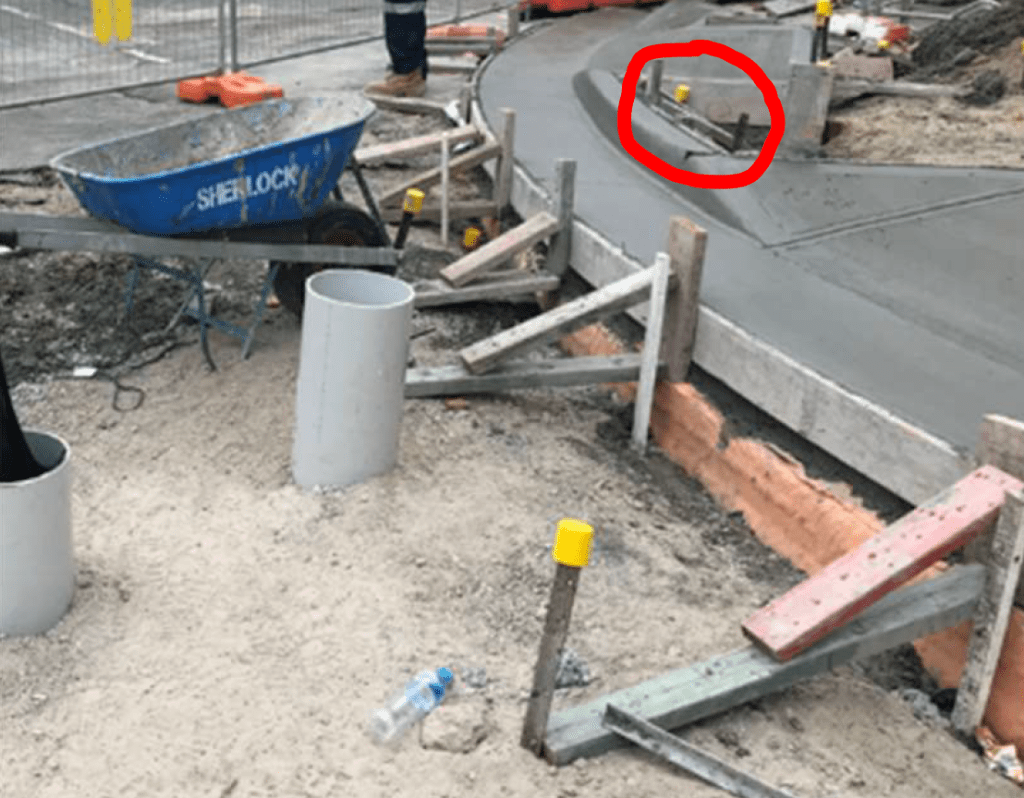
Perhaps the most interesting point is that this is the 14th service strike they have had on this job and they hit a 132kV cable on their last one with an excavator. The lessons identified from that are pretty much the same as this one…
 Holdfast Training Services Trial Blog
Strike 14 on this site suggests an issue! I wouldnt want to be the site manager or on the prefessional team for strike 15 if it involved having to look Mrs Miggins in the eye at her sons funeral or explain to the HSE how QM had lead to impovements after each of strikes 1 to 14.
This is, of course, excellent CPR material as long as you have the detail to go with it. Reviewers will be interested in how risks should be controlled at design and on site, how they are communicated and what should have ensured this never happened. They will ask about liability and contract but also ethical and moral responsibilities. It is also rich territotry for the favourite tactic of hypothetical events: “What would you do if you were in X position and you were asked…”