Archive
Use of UV light in air disinfection (12min read)
BLUF: Recent industry guidance has suggested that increased fresh air proportion is one of the best ways to de-risk person-to-person transmission of COVID pathogen. This approach brings with it significantly increased energy costs in fresh air heating (winter) and cooling (summer). There are a number of companies that have been offering Ultraviolet Germicidal Irradiation (UVGI) as a potential solution to disinfect the recirculated air of any pathogen so that plant duty is reduced to pre-COVID levels. The technology is not new but comes with uncertainties and health warnings of ozone production.
The use of UV light to render pathogens (virus, bacteria, fungi etc.) has been around for a fair while and was predominantly used to disinfect bulk water. Similarly, the study of virus susceptibility in when airborne is not a new topic. Link here to a 1936 study on just that.
There are many commercial products available today that use UVGI but they largely fall into three main categories; duct-mounted, upper-room and individual unitary systems.

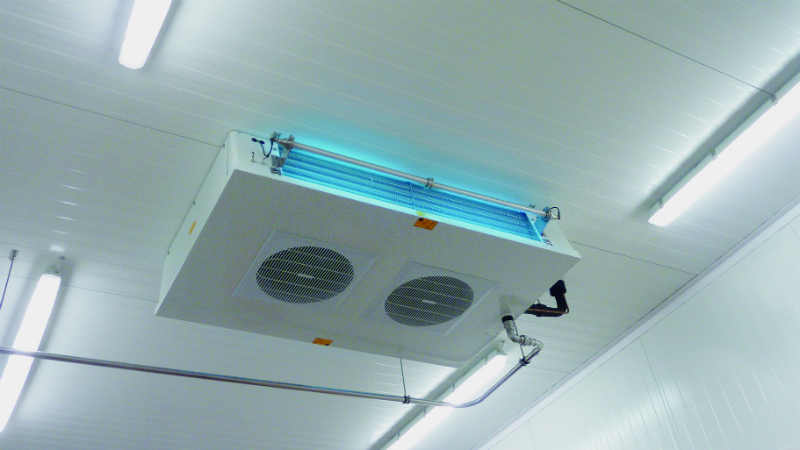
- Designed to disinfect EITHER static elements such as coils/plenums/condensate pans or a moving air stream. The two applications require largely different power UV bulbs given the different exposure times.
- CAPEX for installation can be large and building service set-up may not always lend itself to the components.
- Designed to disinfect the upper proportion of air within a room that is served by traditional mixed-ventilation. It is unsuitable for typically larger spaces that employ displacement ventilation, unless CFD is employed to confirm air-flow patterns.
- There is an inherent risk of exposure to UV light during the typical 24-hour operation and the use of occupied space must be considered. Dangers and safe use practice have been covered in the past; example papers here and here.
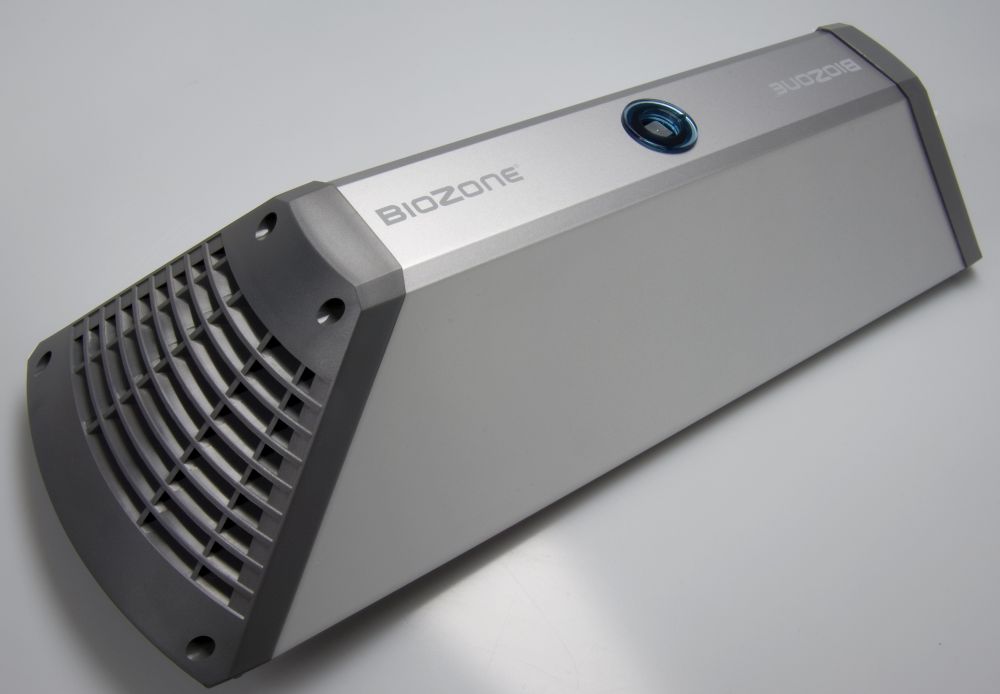
- These ‘plug and play’ solutions typically serve smaller areas (up to 30m2) and have a flow rate of around 20 litres/s. The ease of installation makes them favourable in places that may not be directly served by fresh air but only have an extract, such as bathrooms whish can be designed to be in negative air pressure.
Risk
In all of these solutions UV light is the main mechanism of rendering the pathogen unable to replicate. Many of the manufacturers also actively publicise that the production of ozone (O3) is beneficial in rendering pathogens and odours neutral. Whilst the mechanism is not disputed, the use of ozone to disinfect water and air has been longstanding, there is no universally accepted limit of human exposure to ozone within the built environment. ASHRAE have stated that safe ozone levels ‘would be lower than 10 ppb and that introduction of ozone to indoor spaces should be reduced to as low as reasonably achievable’.
All of the above solutions will go some way to preventing large-scale person-to-person transmission or the movement of virus-laden air from one space to another. There still exists the risk of person-to-person transmission from coughing/sneezing/breathing in close proximity so the array of distancing/cleaning measures could not be abandoned in favour of a ‘silver bullet’ approach.
Has anybody else been approached by contractors promising a wholesale return to work if only a magic HVAC solution is employed?
 Holdfast Training Services Trial Blog