Archive
CDM – Who is responsible? Rebar Stability
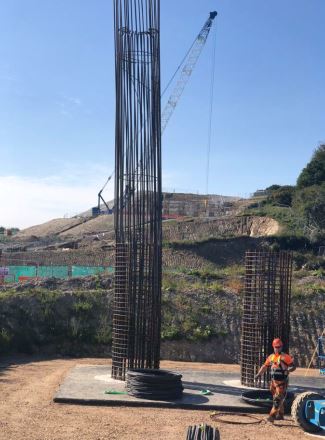
We recently had a temporary works problem on site involving rebar stability for the columns (picture 2) below. The sub-contractor has argued that the principal designer (PD) has given no considerations to buildability of the structure and has negated its responsibility under the CDM regulations. The principal designer argues that the temporary works are not their responsibility. The question arises: where the line is drawn for responsibilities in considering the buildability and structures in the temporary state?
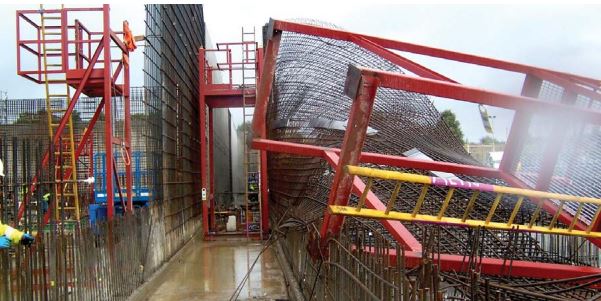
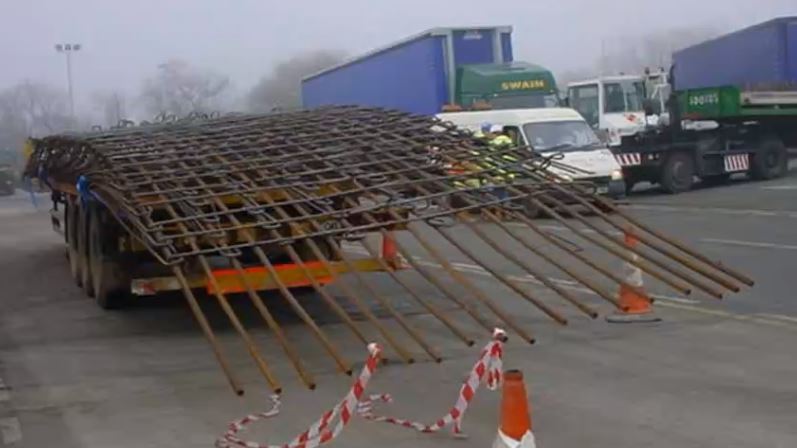
Picture 1 – Example of reinforcement failure (not my site thankfully!)
Picture 2 – Abutment columns with deflection (my site)
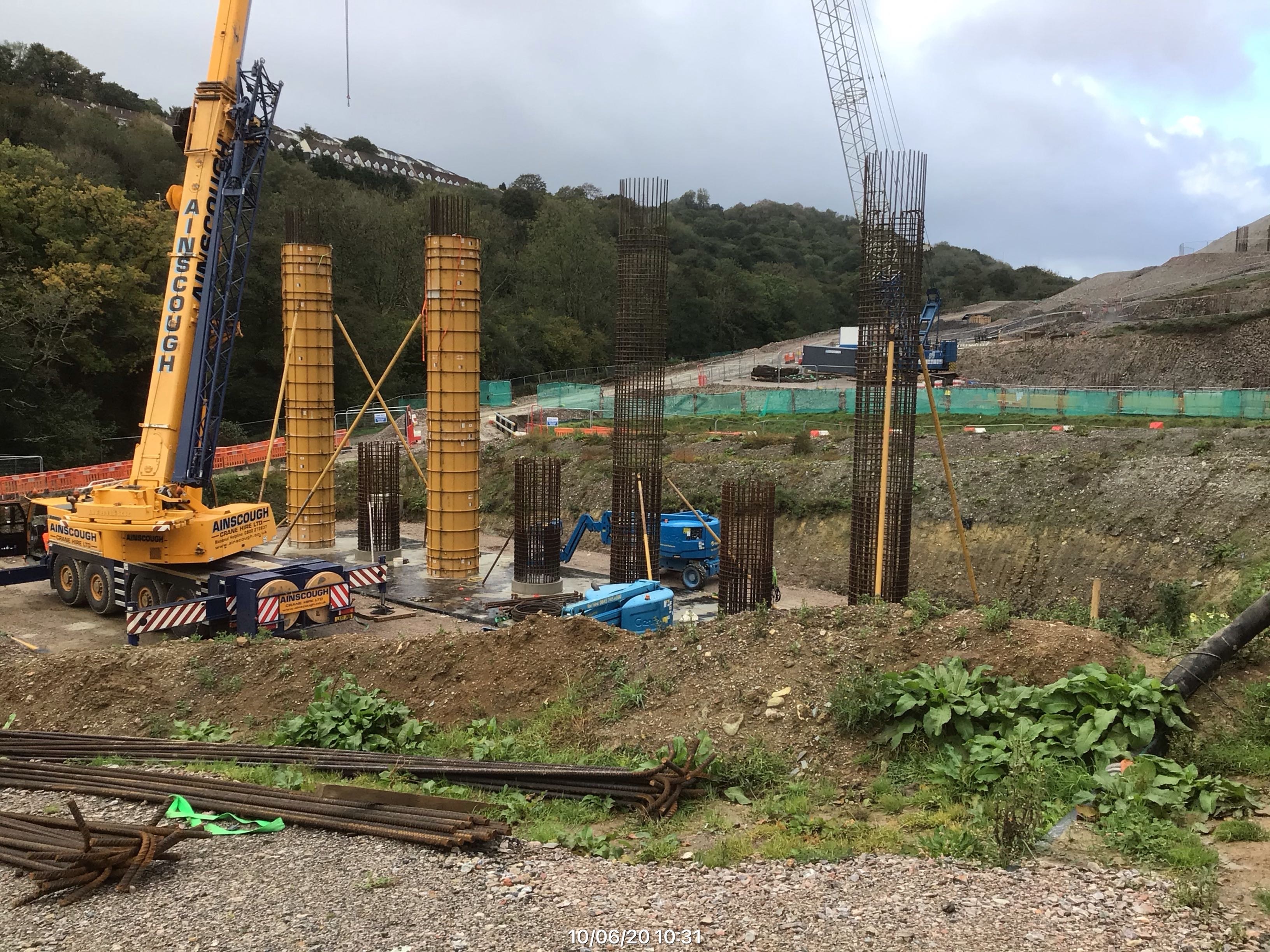
Picture 3 – Abutment Columns with temporary propping and kickers cast to support main bars
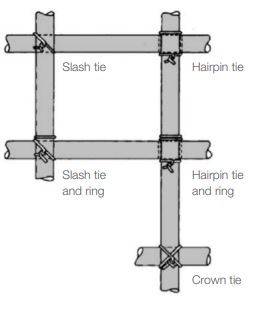
Picture 4 – different tying wire arrangements
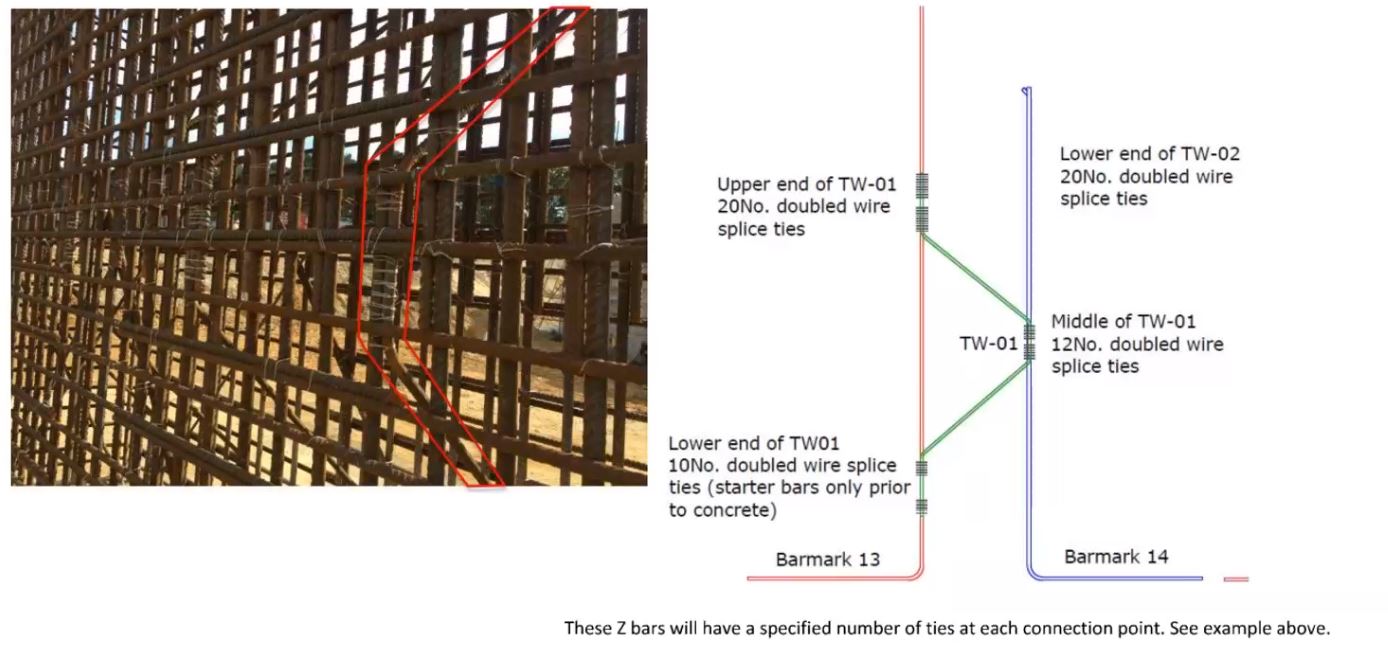
Picture 5 – Z bars and additional ties prescribed
Picture 6 – Racking failure with welded reinforcement
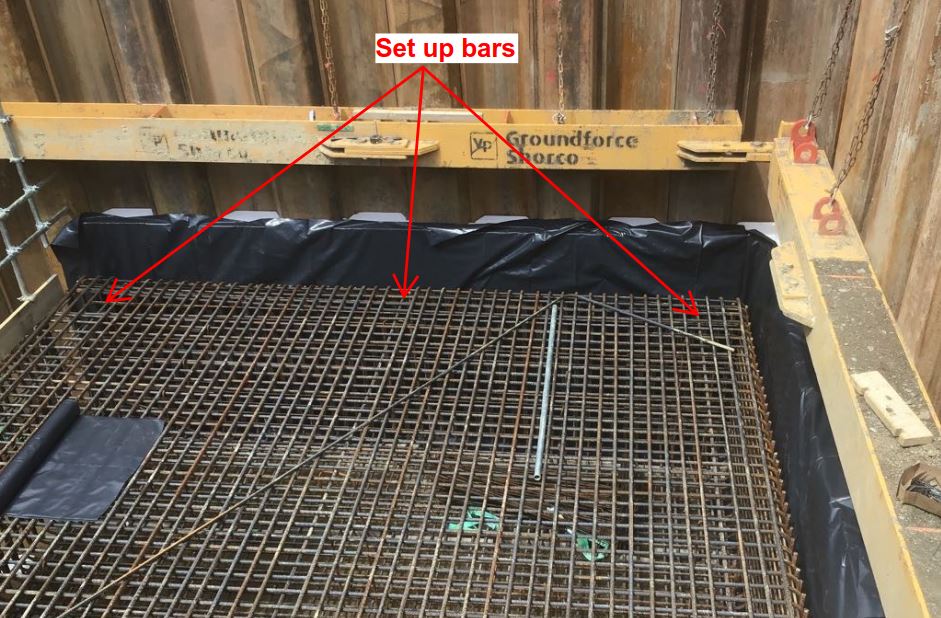
Picture 7 – Set up bars to aid fixing but can also be specified to support slabs
Personally, I think that any permanent works designer worth his salt should at least identify the specific risks in the temporary state. Merely, stating “temporary stability of the structure to be designed by others” is not acceptable in my opinion. As always time/money in the design office is always an issue as designers juggle several projects at any one time. Furthermore, I have experienced that some permanent works designers imply aren’t aware of the risks. How can the risks be eliminated if the risk is not known. Nevertheless, permanent works designers should always be receptive to design amendments proposed by sub-contractors an other designers to ensure schemes remain buildable.
The following website/blog produced by an independent consultant offers some interesting thoughts on the PD role.
The Temporary Works Forum (TWf) is an excellent starting place for any engineer. https://www.twforum.org.uk/home
For rebar stability, some (not all) of the failure modes and potential solutions are:
- Racking/Sway – diagonal z bars (square columns), propping the cage.
- Bending – erecting a one/two faces of a shutter before fixing steel or an access scaffold designed to support forces imparted by the reinforcement.
- Discontinuity Failure (ties fail/sliding of bars) – additional tying wire*, different tie patterns, welding of cages, casting a column kicker to allow main bars to rest on when connected to starter bars.
*1.6mm black – 280-320N/mm2 , 1.2mm stainless 600-800N/mm2 (TWf, 2020)
 Holdfast Training Services Trial Blog