House of Cards
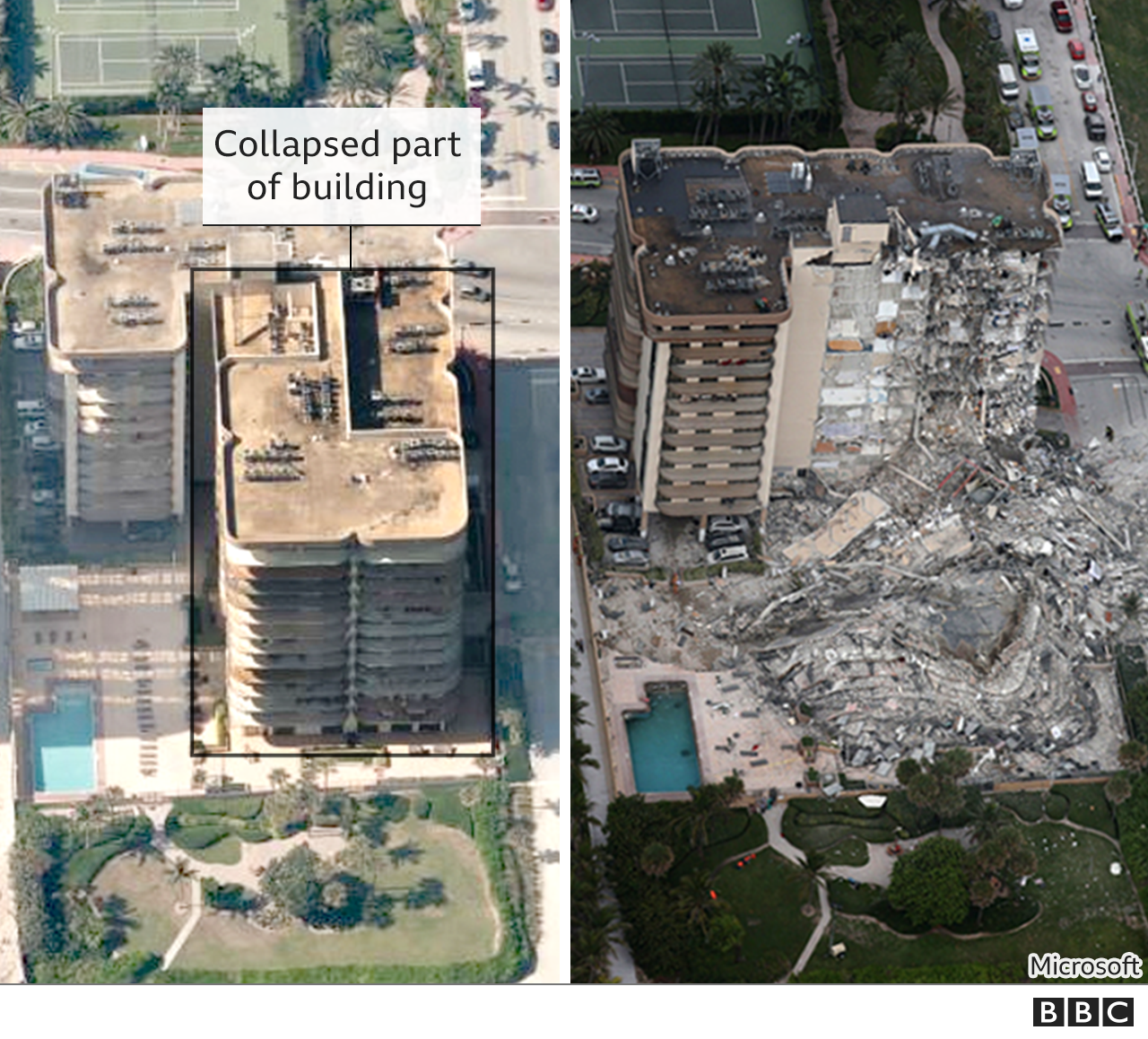
Do you remember the news of a Miami building collapse last year? 98 people were killed in the spontaneous collapse of an entire wing of the Champlain Towers on 24 June 2021. Official investigations into the cause will be ongoing for years but early reports are circulating of the assessed failures and how the second wing remained standing. If you haven’t already seen the Miami Herald interactive House of Cards article is it an engaging read (approx 20mins).
In summary, the assessed key failures include:
- Design failures & gross incompetence. The collapsed wing had smaller columns than the standing wing and critical suspended slab beams were removed from drawings prior to construction.
- Poor construction and refurbishment works. Only a fraction of designed reinforcement was placed in columns. Refurbishment around the pool did not remove existing works prior to refurbishment, instead adding additional layers of decorative concrete which which failed to reveal the over-stressed slab beneath and also added additional load to the slab.
- Structural damage / degradation. Slab cracking led to increased load transfer to the perimeter walls for equilibrium. This resulted in an over-stressed slab to wall connection which eventually failed and led to structural collapse.
- Neglect / lack of maintenance. The cracking slab led to water damage and flora ingress causing further damage. Leaks were common due to the structural deformation and these leaks were maintained but the cause was never investigated.
The building stood for 40 yrs balancing like a house of cards until the steel connections along the perimeter wall eventually fractured and the weaker wing collapsed. Obviously codes and building practices have moved on since 1980 and these failures are certainly avoidable but many high rise structures from this era still stand today, so how many of them are a house of cards? The official investigation report will provide lessons learnt and could have significant impact on maintenance of existing structures and future high rise construction.
 Holdfast Training Services Trial Blog
That’s an interesting article. Rohnan Point in London partially collapsed in 1968 killing 4 people
The Term ‘robustness’ does not feature in the narrative – which is strange. But I don’t know US practice
The idea is simple; that damage due to accident, out of tolerance or poor quality materials should be limited.
UK rules ( arising form the 1968 collapse) entered the building Regulations ( Part A) in 2004!
So , in a sense, I wonder if (on a larger scale) this wasn’t something similar?