Archive
Structural Failings on Site – Welch Elementary School
Working with USACE, I get the opportunity to visit different sites to broaden my experience and see various forms of engineering at work. I recently visited the Major George S. Welch Elementary School on Dover Air Force Base, Delaware and was surprised at how badly this construction project had gone.
Construction began in June 2019, with the aim of being open for the 2021 school year in Sept/Oct. With it now being close to 2024, it’s safe to say that the $48 million project has failed to deliver and current estimates put it at a finish date of late 2025/early 2026. The current situation is that no future construction is ongoing, and the principal contractor is going through a corrective process for all issues currently found on site, (estimated over 10,000 deficiencies so far). If they fail to correct these issues within a timeframe that USACE is determining, the contract will be terminated and a re-issuing process will have to be established, a costly and timely exercise that they want to avoid. There have been numerous failings throughout all levels for both USACE as a Govt body ensuring successful delivery on behalf of the client, and the principal contractor, Dobco, Inc. Whilst the project and programme management side have had plenty of issues, I was more interested in the ongoing structural failings of the current shell, as I’d heard that a Special Inspector deemed the site completely unsafe for any future work.
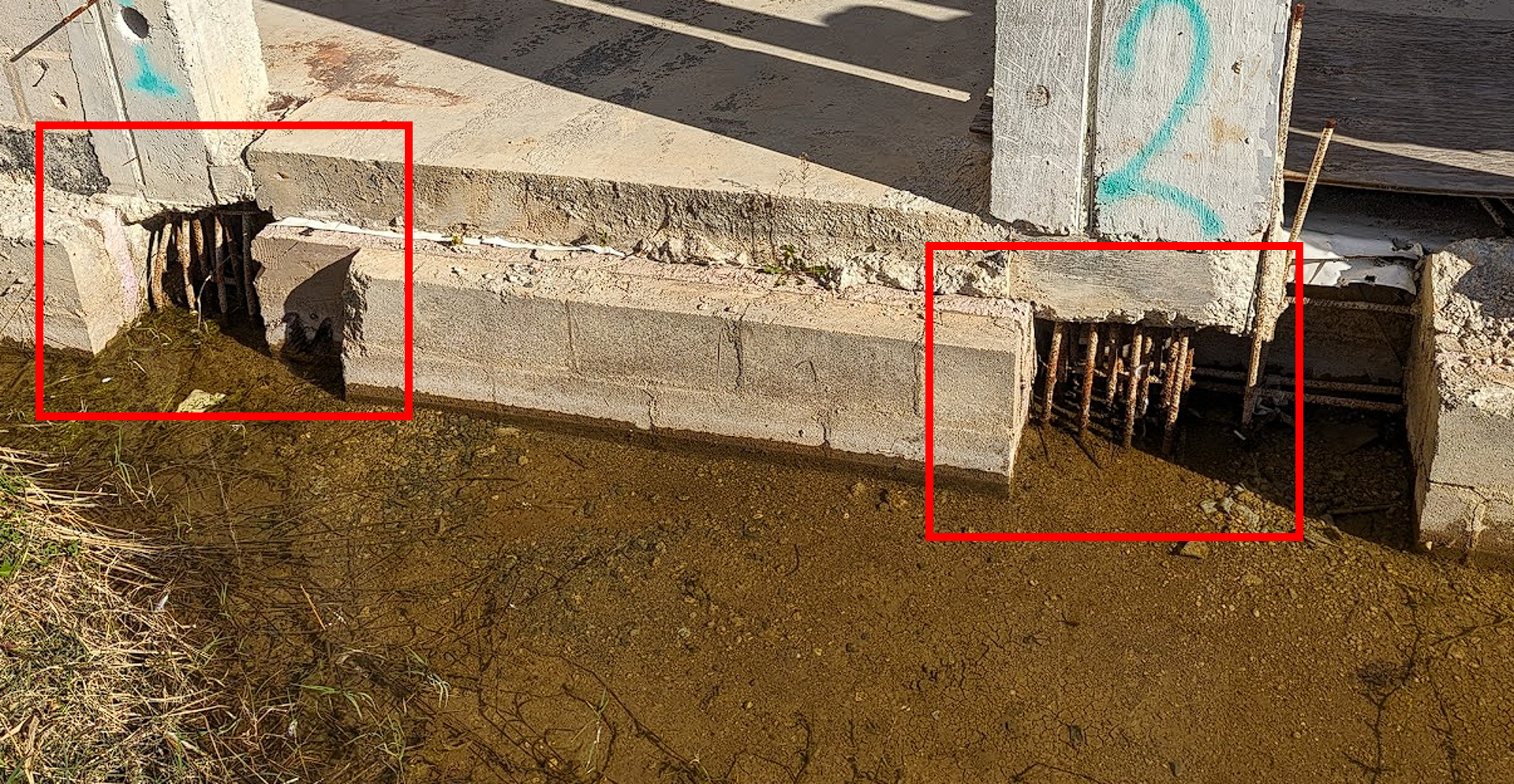
Some of the structural failings were alarming, and I was surprised that they had reached this level with no remediation at all. Unsupported structures, corroded trusses and failed loaded columns was what was immediately visible going into the site. A picture below shows some of the columns that seemed to just have forgotten to have concrete placed at the base? And then to top of it, the contractor failed to provide adequate drainage to the area, resulting in prolonged flooding around the exposed rebar and therefore significant corrosion. I don’t understand this was not spotted on site for such a long period, or if seen, didn’t have any concerns that a concrete column base didn’t have actual concrete in it.
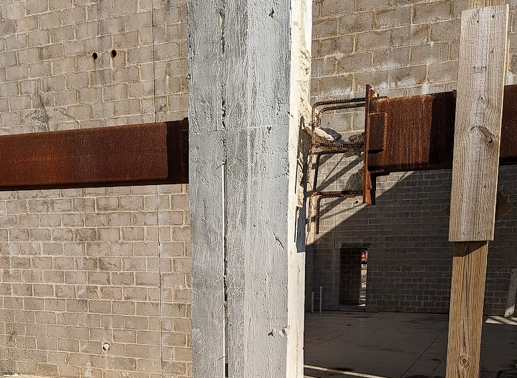
Further up from that column was an unsupported horizontal steel element, what appears to be designed as a restraint for the column’s slenderness but isn’t actually attached. Speaking to the PE there, it seems that the contractor must have sent the fabrication details to the steel supplier, but upon receiving the reduced size element, they just then decided to install it rather than thinking this doesn’t appear to be right. Instead of removing it and fitting it a correctly sized element, their solution was to prop it with timber and concrete the end of the steel beam into the column, clearly without the reinforcement then fitting into the column as designed. A mind-blowing piece of engineering.
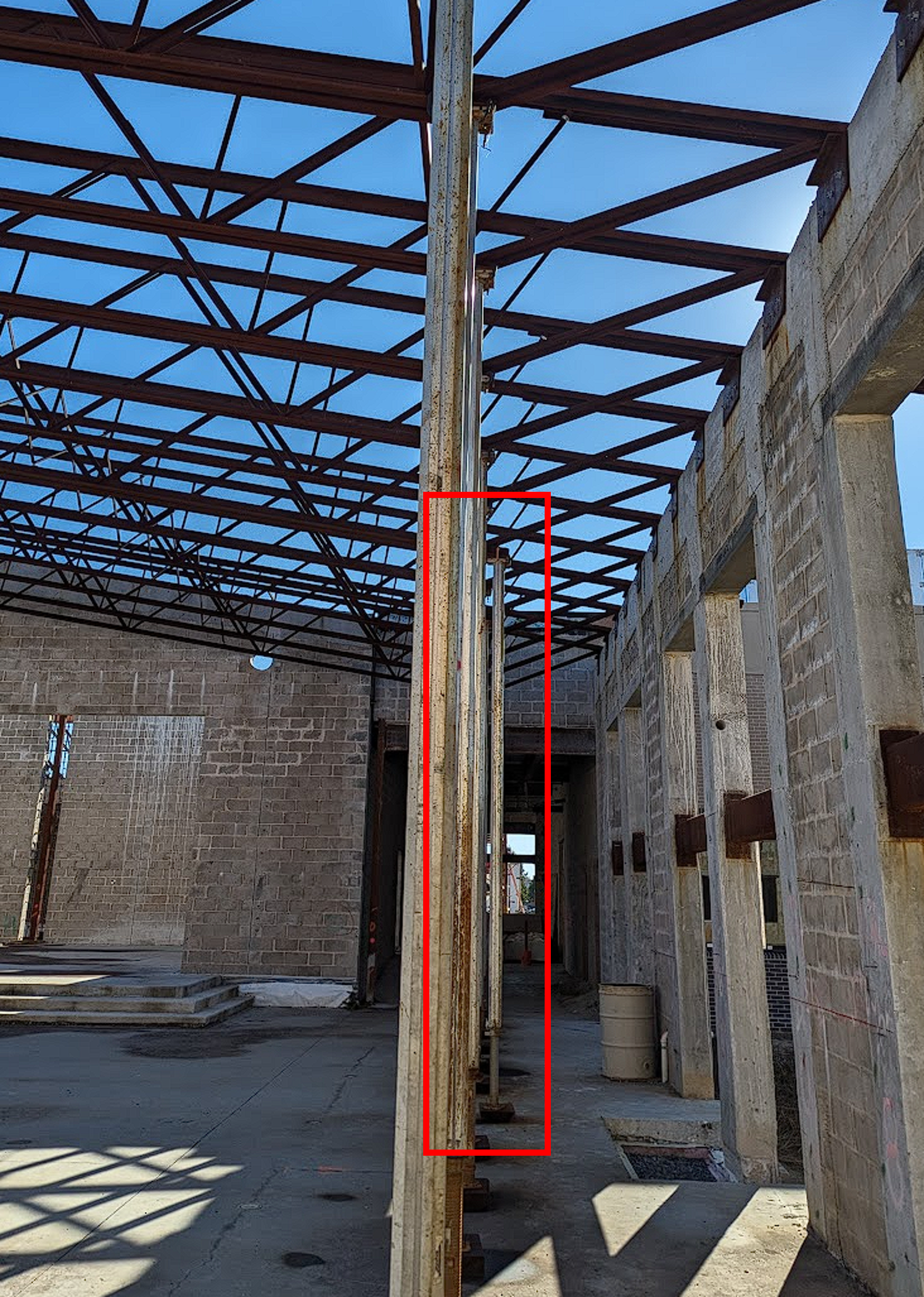
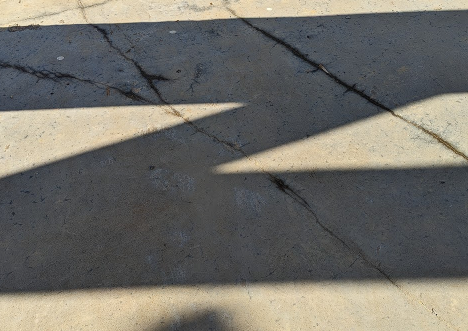
There were numerous other structural issues; mis-sized fabricated truss roof elements, meaning the column was out of alignment, changing the load paths and altering the rooms design from originally intended (picture below). Significant cracks on every concrete slab (below), of nearly 10mm wide in some areas, well beyond an allowable tolerance, filled with water, perfect for the upcoming freeze-thaw weather.
I’d often heard about some contractors winging it on site with little understanding of the engineering they are constructing, and a disregard for personal and structural safety, but I didn’t think I would witness such significant failures in person. A lot to gain experience wise, but I can imagine working or overseeing such a site must be an absolute nightmare. Has anyone else experienced such disregard for proper methodology? And if so, is there any likelihood of the contractor redeeming themselves, or is it better to pull the plug on them earlier rather than later?
If anyone is further interested in this site, I can provide more information about the project delivery failures, and I’m due to visit again in January so can see if the site has advanced any further, or most likely, completely collapsed.
 Holdfast Training Services Trial Blog