Archive
Heathrow Airport Civils Phase 2
I am around 4 weeks into Phase 2, working in the Civil Engineering team within Technical Services at Heathrow Airport. The team owns, on behalf of the business, all civil and structural engineering assets at Heathrow including the two runways, five terminals, 65 bridges, 48 tunnels, 66 retaining structures, 150+ buildings and 200+ km of roads. We are involved throughout the whole asset life cycle; we ensure that new structures meet the correct requirements and regulations, we plan and implement the maintenance regimes, and we are involved in the end-of-life management such as decommissioning and demolition.
As we are quite a small team I am not solely aligned to one project, instead team members work together on areas of expertise or where capacity allows. However the major project I have been given to be technical lead on is the T2 Baggage Programme (T2B), and specifically within this the various demolition projects which are ongoing and scheduled. T2B is part of a £3.6 billion capital investment plan: it is a major programme at Heathrow with five tranches, each with their own projects, with civil engineering involved at every stage. The programme seeks to expand the T2 baggage handling system, which currently operates in the moth-balled T1. It will also (eventually) see the full demolition of T1, to be replaced by a whole new terminal. The programme must be completed without impacting current terminal capacity (i.e. provision of stands) and/or the efficiency, safety and resilience of the airfield operation in the vicinity of T1/T2.
Challenges at Heathrow:
The majority of the airport was built in the 1960s-1980s and this has created a variety of issues. Many of the terminals contain significant amounts of asbestos and RAAC (and sometimes RAAC coated in asbestos for extra risk). The RAAC has reached the end of its design life and in some areas is in poor condition and is undergoing regular inspections and maintenance to extend its safe use as much as possible, particularly where is it load- or end-bearing.
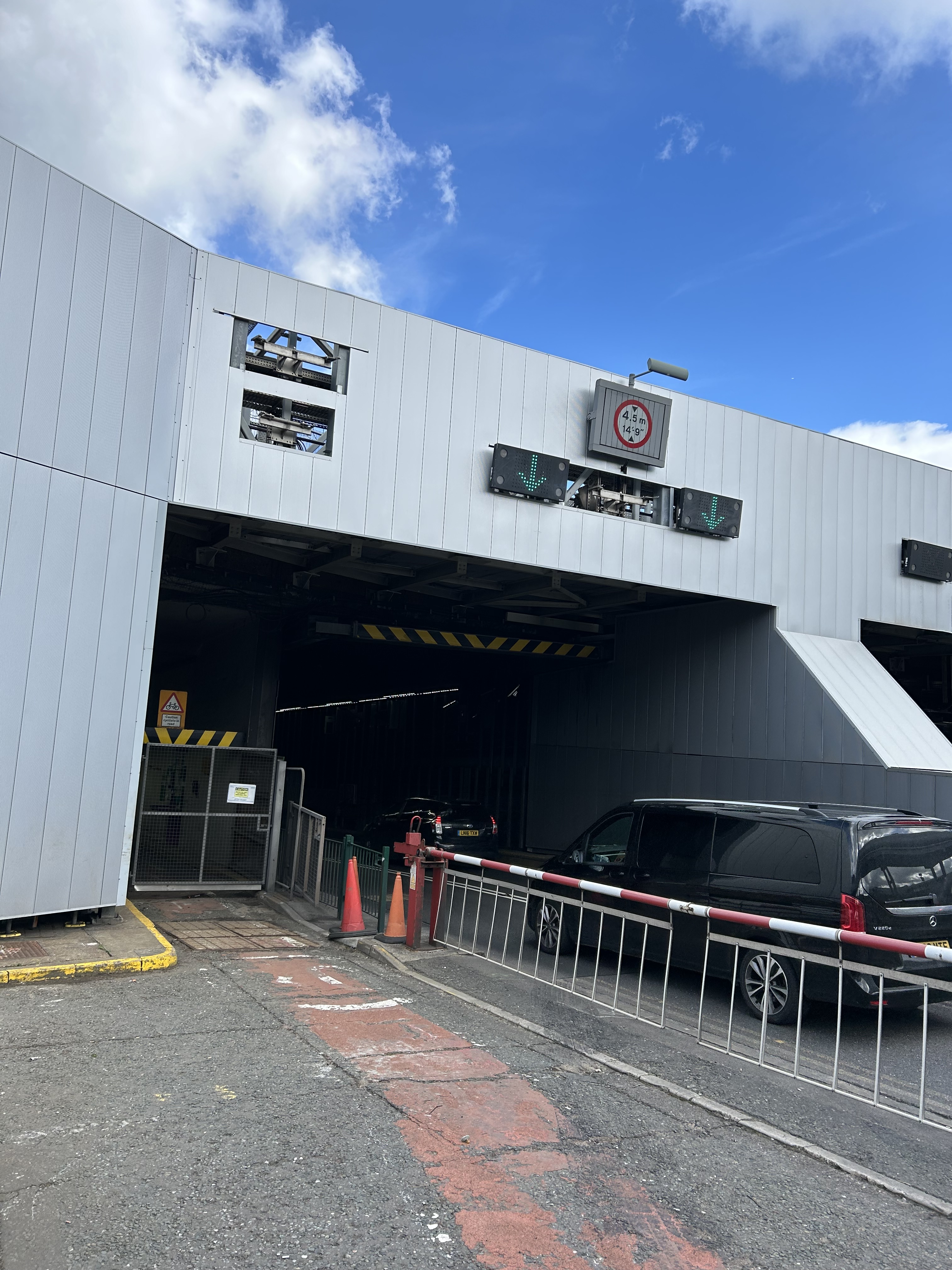
In addition, BIM and H&S files were unheard of when much of the infrastructure was built, meaning there are some assets with no recorded information such as calculations, drawings or maintenance schedules. One example is Calshott bridge, built at some point in the 1950s, which spans the main tunnel route into the central terminals – quite a risk if something were to go wrong. We have been tasked to conduct a loading assessment, but the bridge has been covered in cladding and services meaning that maintenance or even a proper visual inspection is impossible, and without any supporting documentation it is a real challenge.
Heathrow is under strict regulation by the Civil Aviation Authority and receives hefty fines for any delays or quality issues which affect the airlines. The first consideration on any engineering project is the impact on the operational effectiveness of the airport, meaning often the chosen solution is a ‘quick fix’ to extend the asset life rather than a permanent solution which could be disruptive and therefore costly.
Below are some photos from my time so far:
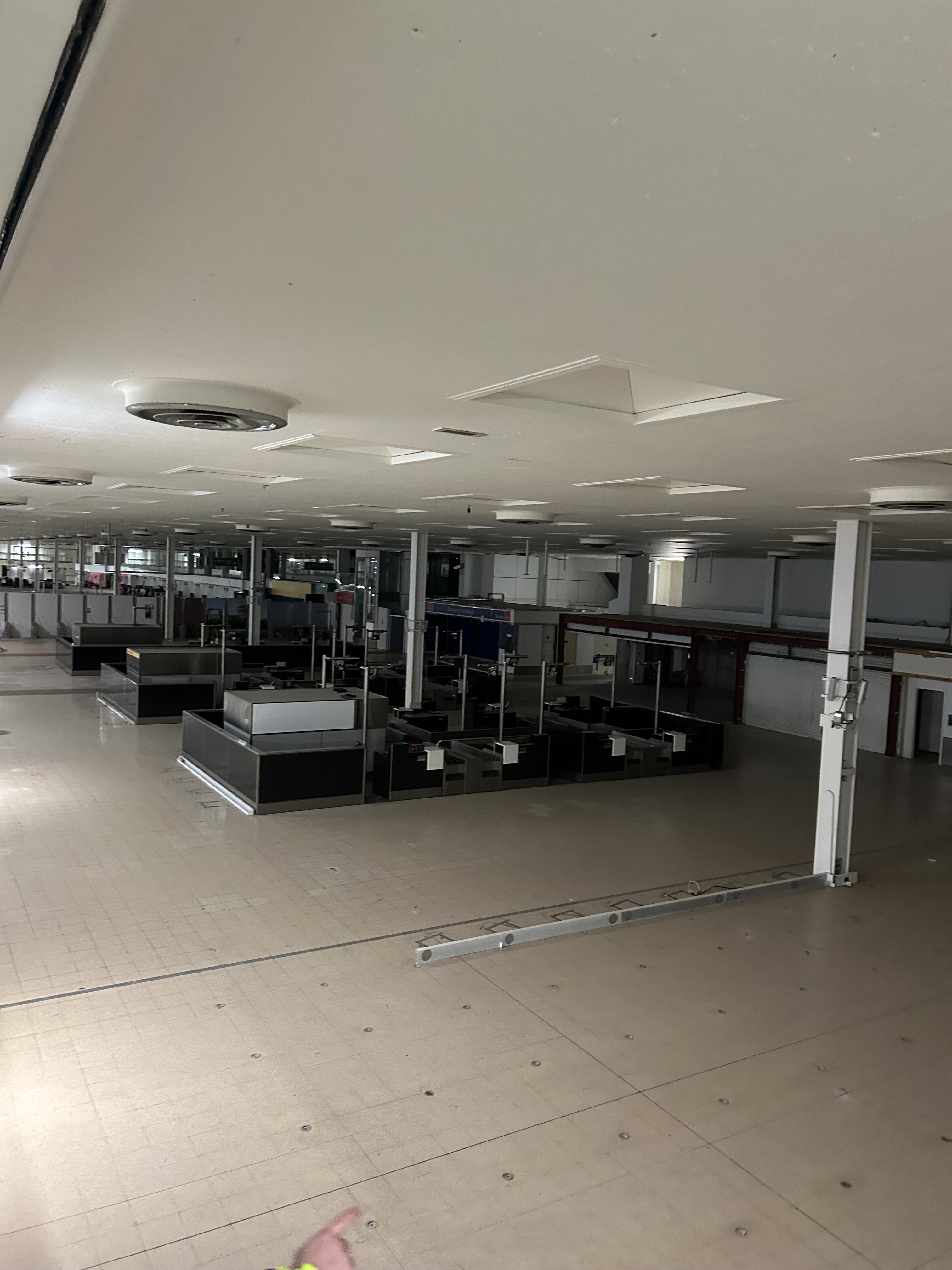
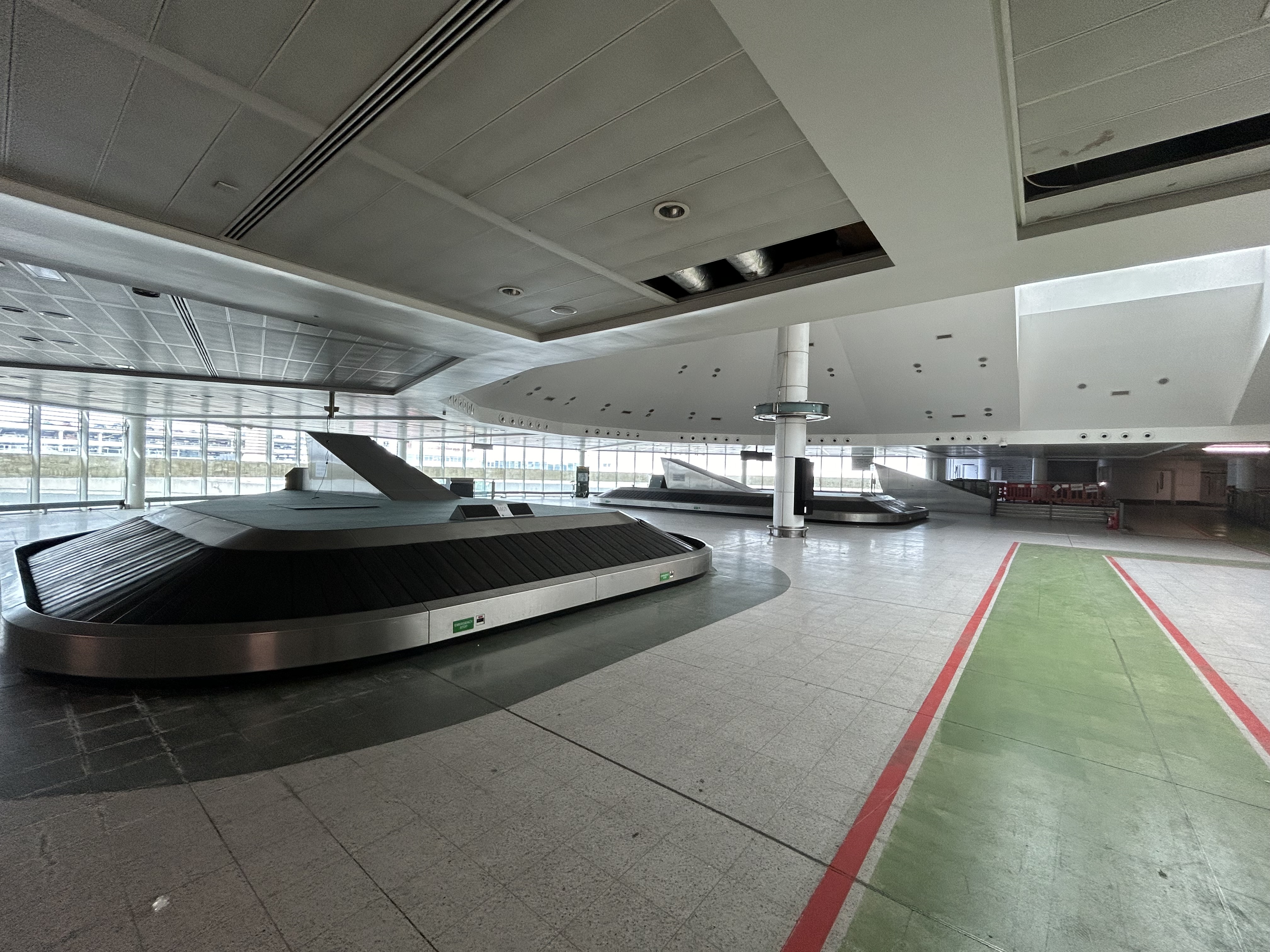
Inside the moth-balled Terminal 1. How do you safely demolish an entire terminal (full of asbestos) in the middle of the UK’s busiest airport?
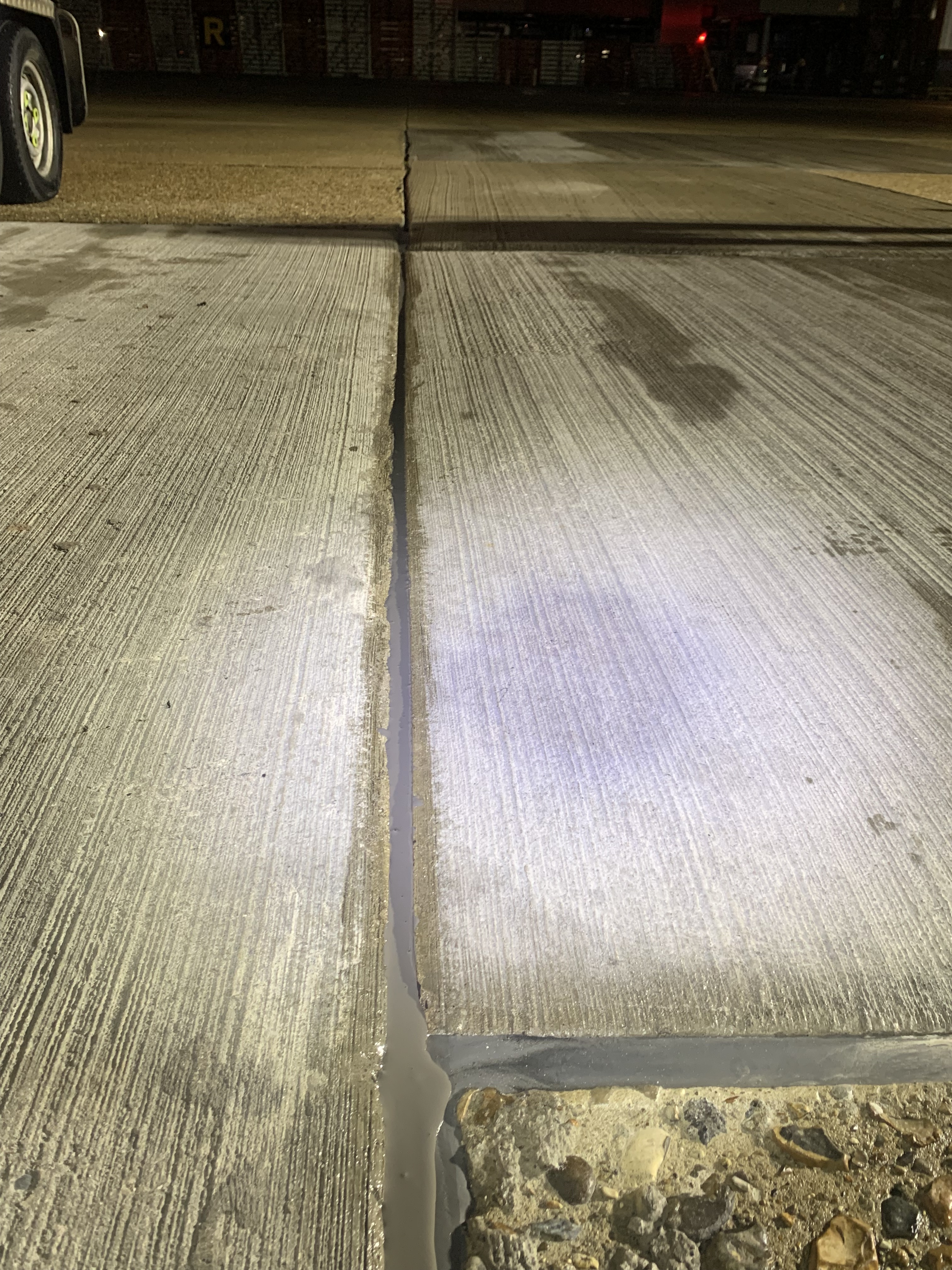
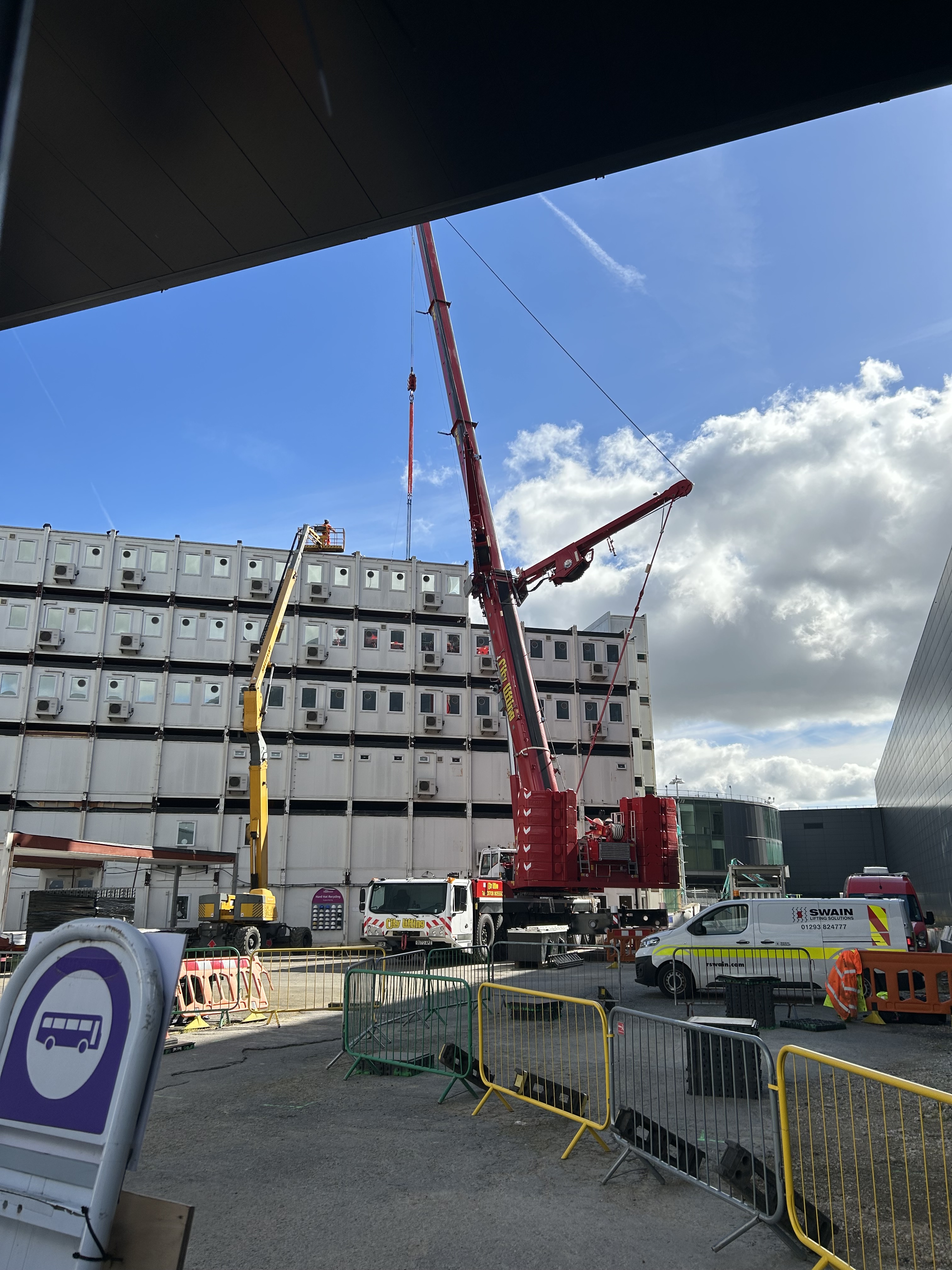
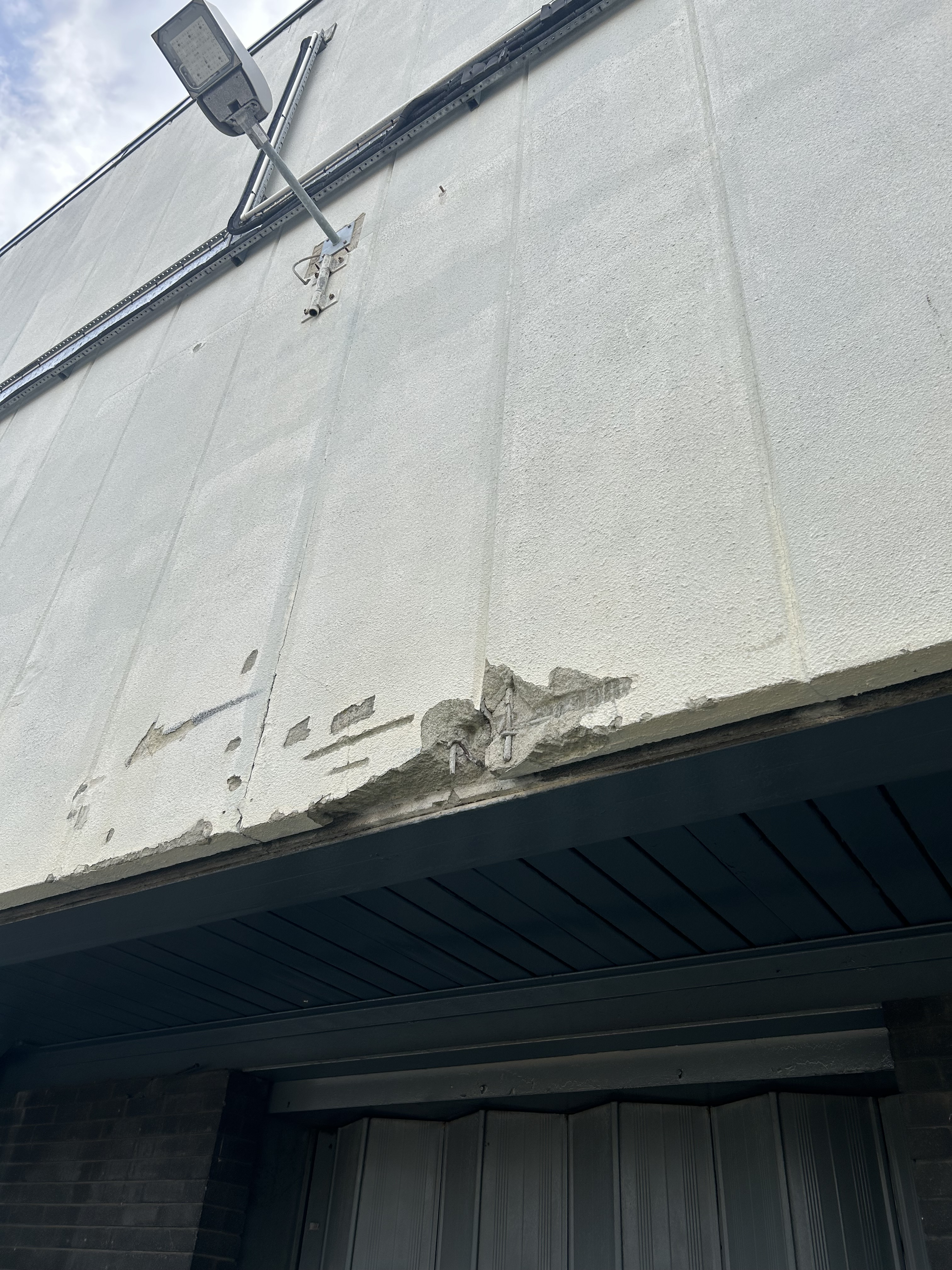
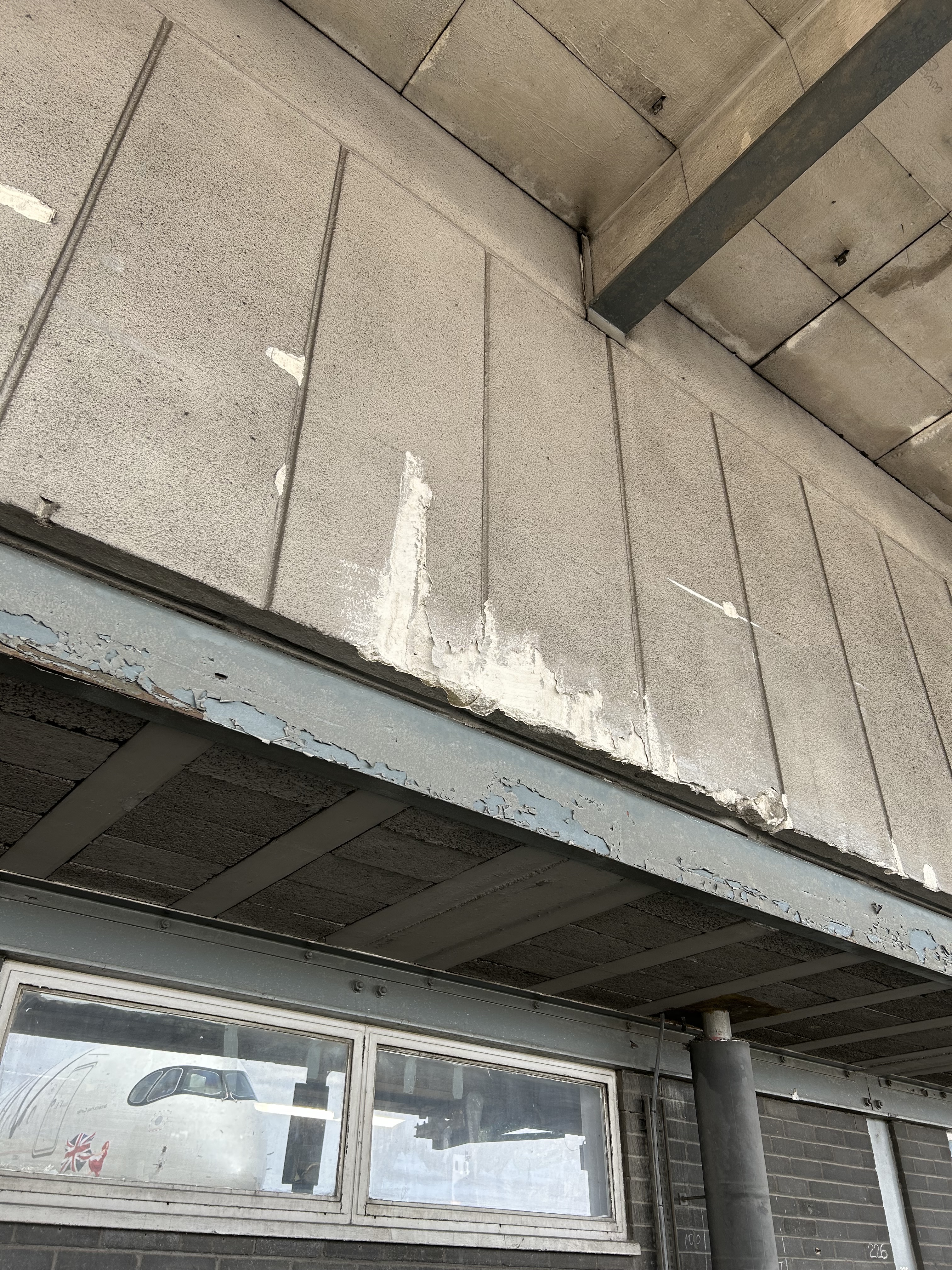
Damaged RAAC panels – not structural…
 Holdfast Training Services Trial Blog