Archive
Waiting vs Wasting Time
Not sure if anyone else has seen this one site but after several months of Phase 2 and establishing oneself in the mix I’ve come to the revelation that often RMAS DS were indeed right; “Any decision is better than none”.
All too often works or indeed a whole section have been delayed and the opening defence seems to be, “I was waiting for…”
Granted in a context of multi-million pound projects and one of the most dangerous industries, a pause for thought is certainly warranted and shooting from the hip can cause more problems than it solves. However with the assumed project management tools and programming on site the vast majority of decisions can be made with the prescribed intent in mind and a desire to push onward – or suffer additional costs through standing time, much less missed gateway reviews or payments.
What initially baffled me was that no one wanted to be the one to make the decision, and therefore be accountable, but would much rather wait and see, hoping someone else would, and then jumping on the bandwagon after. Perhaps it is from a military mindset where critical decision making is encouraged and reinforced, but I wondered if this was seen industry wide or is just a culture on this site? Clearly some critical decisions remain the purview of key (and legally binding) individuals however even a decision as little as deciding how much concrete could be required for a routine pour was often led by a group discussion, resulting in whatever the most senior person decided as the clock struck 1730.
It doesn’t appear to be from a lack of understanding or engineering ability as when I’ve discussed issues with other engineering team members they know what they want to do and how to do it, but seem to fail at the final “execute” hurdle. Nor does it seem to stem from a lack of confidence in their abilities. It would seem the overriding fear is that they fail to make the “perfect choice” and end up costing a few pounds more. Stranger still the maxim of an 80% plan executed now vs 100% plan 5 mins late fell on deaf ears (Replied with the “Why not just wait for the 100% plan?”…).
Perhaps cash really is king and one’s worth to a project is directly measured in how much they’ve cost the project?
A cursory article search gives a brief overview and not unsurprisingly, delays are more often than not attributed to waiting for others.
(Construction Workers Waiting at the Job Site Saps Productivity and Profits (trekkergroup.com))
Curious to hear other’s experiences and what the industry driver could be?
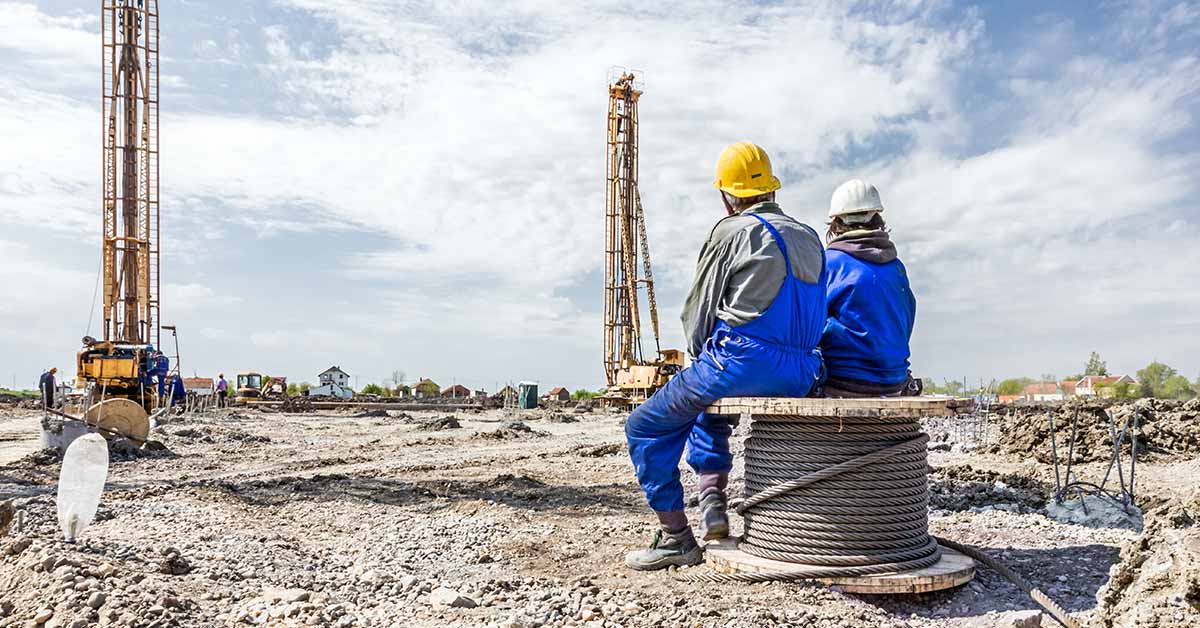
(Image from https://www.trekkergroup.com/construction-workers-waiting-at-the-job-site-saps-productivity-and-profits/ published 31 Jul 2018, Trekker Group, accessed 07 Nov 2023).
Subbies – Better the devil you know?
We have an on-site dilemma in sub-contractor management and wondering if anyone has similar experiences or tips in the management of under-performing subcontractors.
A civils works contractor was awarded the subcontract for the installation of the stormwater pits and drains across a new inner-city road scheme as a $3.5mil AUD lump-sum contract. The tender process was completed prior to my arrival on-site but I’ve been told they were awarded the contract as the cheapest tender as well as on the approved subcontractor list as an ex-employee of one of the parent companies on the JV.
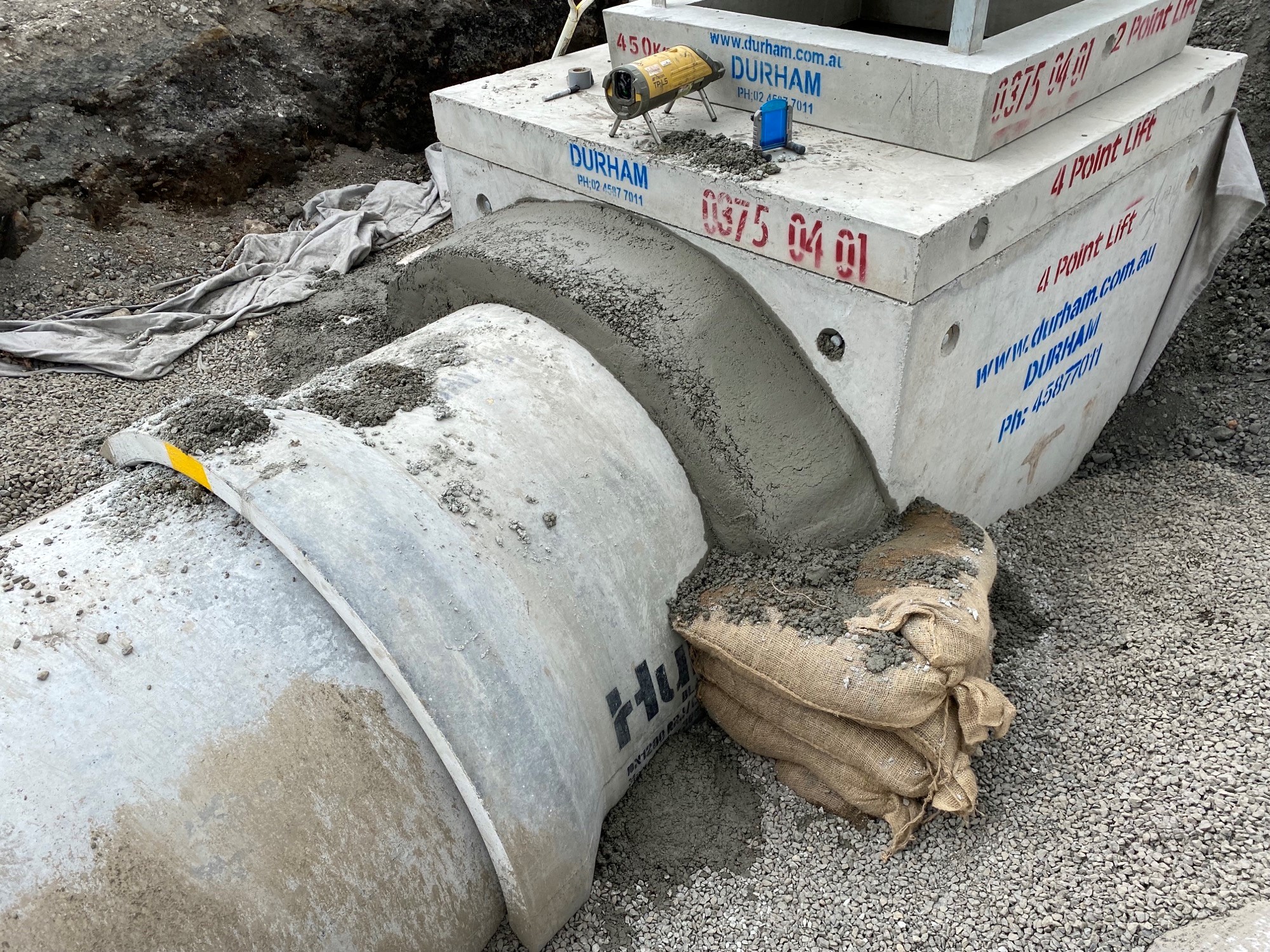
Currently, 10% of the work is complete, 3 months behind on a 12-month programme. A litany of issues including formwork blow-outs and poor workmanship leading to non-conformance reports and re-works are already 3 times the value of the whole contract retention. When I posed the question if the JV should cut its losses early and find a new subbie, the response, from middle management, was to propose a site engineer manage this subbie full-time. The engineering team is already undermanned, with an extra engineer to look after this subbie at least 3 months away.
It is often easier to progress with the status-quo because it is more straightforward to deal with the problems in front of you than try and challenge the underlying issues. Everyone on site is already busy, and taking the time to re-tender would eat into project overheads, therefore the commercial management direction is to treat the known risk with supervision instead of terminating and engaging a less risky contractor. From an outside perspective, this feels very short-sighted but shows the monthly cash flow commercial drivers of the project outweigh the quality and customer satisfaction considerations at this stage of the project.
 Holdfast Training Services Trial Blog