Archive
Last minute design change
This weeks activity has been focussed on preparations to pour 3 suspended slabs by the end of the month to reach a payment milestone. This has been delayed by high level changes to task priorities that has affected progress. On setting out the first slab it was found that a 300×300 column that was set out to the architectural measurements was positioned on the edge of a slab edge-beam also set out to architectural measurements. The issue was that the structural design of the column assumed that it sat centrally in the beam and was therefore not sufficient for its current position.
This was raised as an RFI to both the architect and structural engineer to resolve the discrepancy in drawings.
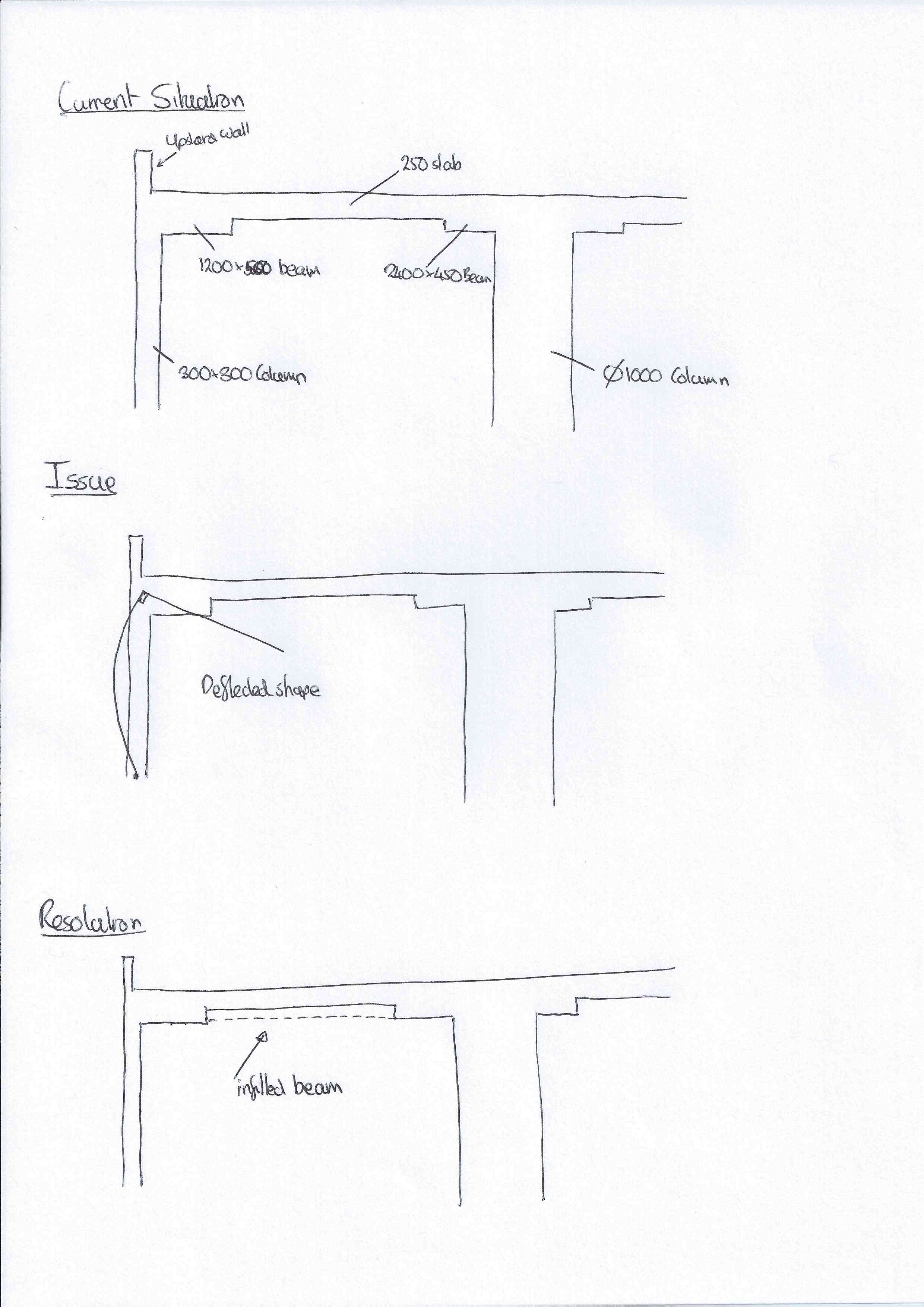
Engineering Issue and resolution
The engineering issue here is that because the column was designed to be loaded equally the reinforcement is now not sufficient to withstand the additional bending. To resolve this there were 2 options.
- Extend the slab outwards to move the beam centrally on the column
- Insert a transfer beam to distribute the load between the 1000mm diameter column and the 300x300mm column.
Both of these options created issues. The slab reinforcement was designed to the structural dimensions, therefore was sufficient to accommodate the move out of the beam to sit centrally on the column, but the architect could not accept this option as it would affect the internal dimensions of the control room below making it too small for the intended contents. The second option required a redesign of the structure, rework to the formwork already placed, and the order of additional steel for the beam.
The decision had to be the transfer beam, which as it was designed could be designed to 450mm deep and therefore not affect the formwork already placed significantly. The steel was ordered immediately on a priority to arrive the following day. At the time of leaving site on Friday, all was in order and good to go – I will find out Monday I guess.
The managerial issue is that there was a discrepancy in the 2 designs (architectural and structural) that was not picked up sooner. The time it took to respond to the RFI took approximately 4 days after many to and fro emails between the architect and the structural engineer. A face-to-face meeting that may have taken 30minutes could have rectified this immediately. The final issue is that of costing. The cost of redesign of the beam should be borne by the structural engineer as it is the architectural design that measurements are taken from. Additionally the cost of the additional steel should also be covered by the structural engineer however the relatively small amount of steel required for the beam (3.5m long) will probably just be covered by JHG to maintain relationships.
In other news, the reorganisation is apparently underway and should be in effect on Mon. The notice period of the weekend is probably not enough time for a full handover so I am expecting a fair degree of turmoil this week. It has been good to catch up with the Knowles and Dollimores this week at their leaving parties, and we are having a RE BBQ at ours this week as a final send off.
A journey of a thousand miles starts with a single step.
After 2 months of pushing and frustration we finally have a project that is under way. Not bad considering the the Contractor was given notice to proceed in Oct 12. The past few weeks have given me yet more insight in to the world of contract management and the ways in which contractors can try to extort money from seemingly watertight documents.
3 weeks ago during the Contrator’s biweekly (fortnightly) meeting it was announced that the Government (us) was sitting on over 53 late submittals (30 days old or over). This seemed a little high so on returning to the office we all checked the register and the Contractor was right. My mentor was on course, so taking the initiative I started tracking down the outstanding submittals with the design contractor. They had not received any of these documents and some were now key to the project ever getting of the ground and I am not just talking about the scaffolding proposal. On going to my mentor’s cubicle I discovered 95% of the documents under his desk where he had not finished sending them on. The situation sounds a lot simpler than the reality. Although some were actually just very late in being processed (from December!) there had actually been a change in the procedure in early Mar 13. The contractor had been instructed to change all submittals to electronic formats to be sent to USACE and the design contractors simultaneously to help save time and money rather than send us the big bundles of paper and documents sent previously. Parts of these documents were sent electronically but the drawings had not because it was assumed by the contractor they had already been sent on by USACE as hard copies. In an afternoon I was able to identify all the missing documents and FEDEXed them on to the design contractor for comment. It was typical that the District Engineer had flown up from South Carolina that day and had to see all this but he was reassured that there was more to the slow progress than just the late submittals so we got away with that one. The quality of the Risk Assessments from the Contractor continues to be poor and there is still a big question on how the drainage in the 90ft High Bay area is ever going to get installed as there is no room for any form of elevating platform. Going through the roof would actually be good option!
As part of our CPD, Ben, Matt and me were taken by the head of Baltimore Construction Department to the Washington Aqueduct. During the Civil war a project to divert some of the Potomac in to DC to provide a pressurised water source to down own areas was devised. An aqueduct was created that sent water right in to town with pressure high enough to power the 60ft fountain outside the Capitol building. The design has been refined over the years and now provides the potable water supply for DC, Arlington and two counties in Virginia. We visited the purification plant that was designed in the early 1900’s. The process is the same as those we learned about but now the site is fully automated and larger than the original concept. It was interesting to see how the far the automation had gone – the whole system was monitored by two technicians – and there are extensive on site labs for checking water purity and biological contamination.
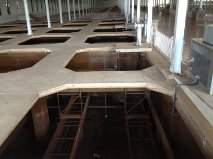
Original Sedimentation Tanks
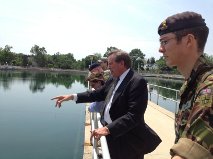
Holding ponds – 4 of them (with geese)
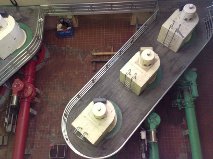
Main plant pumps
We have also had the Chief Instructor and Senior Instructor over for their visit. This was another good opportunity for us all to see Ben’s site in Fort Detrick, my site and Baltimore HQ as well as present to the PEW staff on our experiences and reaffirm that the US option is a great opportunity for future PET courses.
Meanwhile back on site work has finally started. As of last Thursday two men are installing the conduit necessary to install the 24ft Big Ass Fans TM (That is the brand name not the nick name).
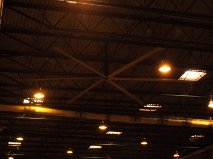
A Big Ass Fan TM
This is a huge psychological break through as up to now we were convinced this project might never start. In a meeting with the client on the same day I put forward my value engineering proposal to the Client that the contractor should be able to use a roof lift that allows access to all the roof levels in the building without interfering with operations, as opposed to installing scaffolding stairs that will go 100ft up to the top level and be in place for 2 years. As expected I met resistance because of “legal reasons” but when pressed on what these were the answers were not convincing. “What if they damage it or break it – we become liable” was the main argument so I suggested a waiver or on site agreement could over ride this concern. Although not convinced the Client is prepared to let me investigate as he can see there is cost saving to be made. I am in consultation with the legal department as we speak. I also suggested we look at siphonic roof drainage for future projects. This was the basis of my TMR and is able to reduce the cost of roof drainage (and the size of pipes etc) by over 40%. The Client was very interested in this and is keen to get this looked at on the new warehouse buildings going up on site. He suggested this system should also be introduced to the whole of USACE! And to cap off a good week the Contractor was served a Letter of Concern stating that the progress is unsatisfactory and that they are due an interim grade of unsatisfactory for their progress to date. As expected the reply was trying to blame us for all the issues but we have enough paperwork to prove otherwise.
And in other news:
We have just survived our first near tornado. The Government alerts all went off telling us to get in the basement (typically the kids had just gone to sleep!) and we watched as the radar picture on TV showed a direct path of a potential twister to our district. Fortunately nothing happened but three twisters did touch down nearby. They were only small and apart from scaring some motorists, destroying a house garage and moving a car 6 feet, there was very little damage. Also I have taken Warrick to is first Monster Truck show. An interesting experience, not only for the trucks but also to see a gathering of the Red Neck Clans.
Road Kill Round Up:
3 deer
2.5 Racoons (the hot weather seems to be keeping them off the roads)
101 uses for the phrase “There you go” Pt 1– this is the Swiss Army Knife of East Coast phrases and covers a number of scenarios. It can be used to mean the following:
1. You have arrived at your destination
2. Here is the item you were looking for
3. I see where this conversation is leading
4. Well wasn’t that a fortunate out come
5. Now I understand
6. I think I know what you meant (but with some reservation)
7. This is what I did and look what happened
8. I think you have just answered your own question
9. Just like that
10. The job in hand is complete
11. I can tell that was really satisfying
12. That was the end of that
Until next time.
Abutments complete.
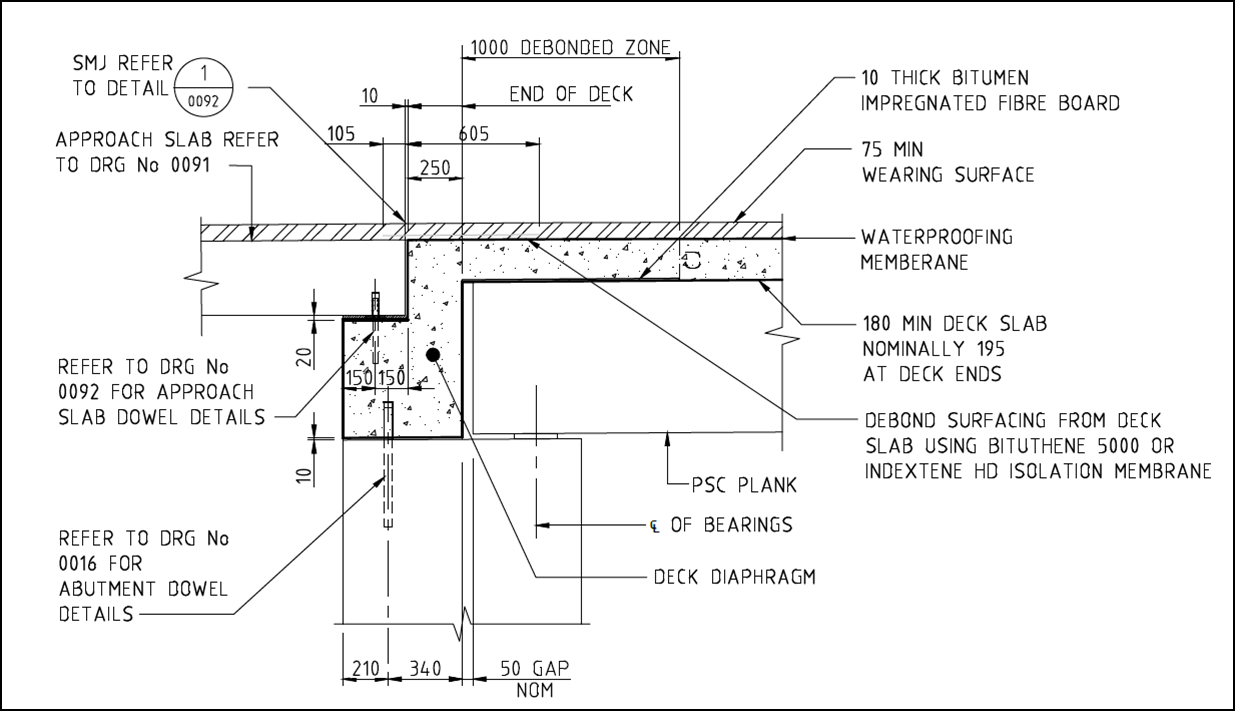
This week has seen more significant progress as we completed abutment B by thu and were able to strip the shutters on fri in time for the Queens Birthday long weekend which means no work on site until wed this week. The timings are now very tight to get the PSC beams in place over three days before we need to give the centre of the site over to the civil team to lay capping etc for rail to come through. Abutment A more than met the class 2 finish required and the as-built survey is all within tolerance except the position of the abutment dowels which I noticed when we were installing the dowels on abutment B. The stainless dowels are cast into the top of the abutment 210mm from the outer edge of the wall and 340mm from the centre of the wall, unfortunately the formworker placed the dowels with these measurements the other way around so that they are out of alignment by 130mm to far to the centre. As yet we haven’t raised an NCR as no one but myself has picked up on it but as it was my fault for not noticing when I did the pre-pour checks (a classic case of not seeing the wood through the trees) I informed the Project Engineer who’s repsonse at the moment is – we’ll have to cross that bridge when we come to it (I don’t think the pun was intentional!). The dowels connect the abutment to the diaphragm allowing lomgitudinal movement and then a further set of dowels are cast into the top of the diaphragm to the approach slab. I suspect we will place an NCR and RFI following the PSC beam installation as at the moment we don’t want anything to interfere with thoses dates. We have had minor surface concrete cracking of around 0.2mm on both abutments which we have had to submit NCR’s for but which are straight forward to rectify with a product called Megapoxy H. Although this is standard practice throughout the project for cracks that are out of the accepted tolerance (0.5mm post curing period and 0.1mm after 28 days) for us it still eats into time we don’t have waiting for repsonses to RFI’s and NCR’s in order to be ready to install the beams on wed morning.
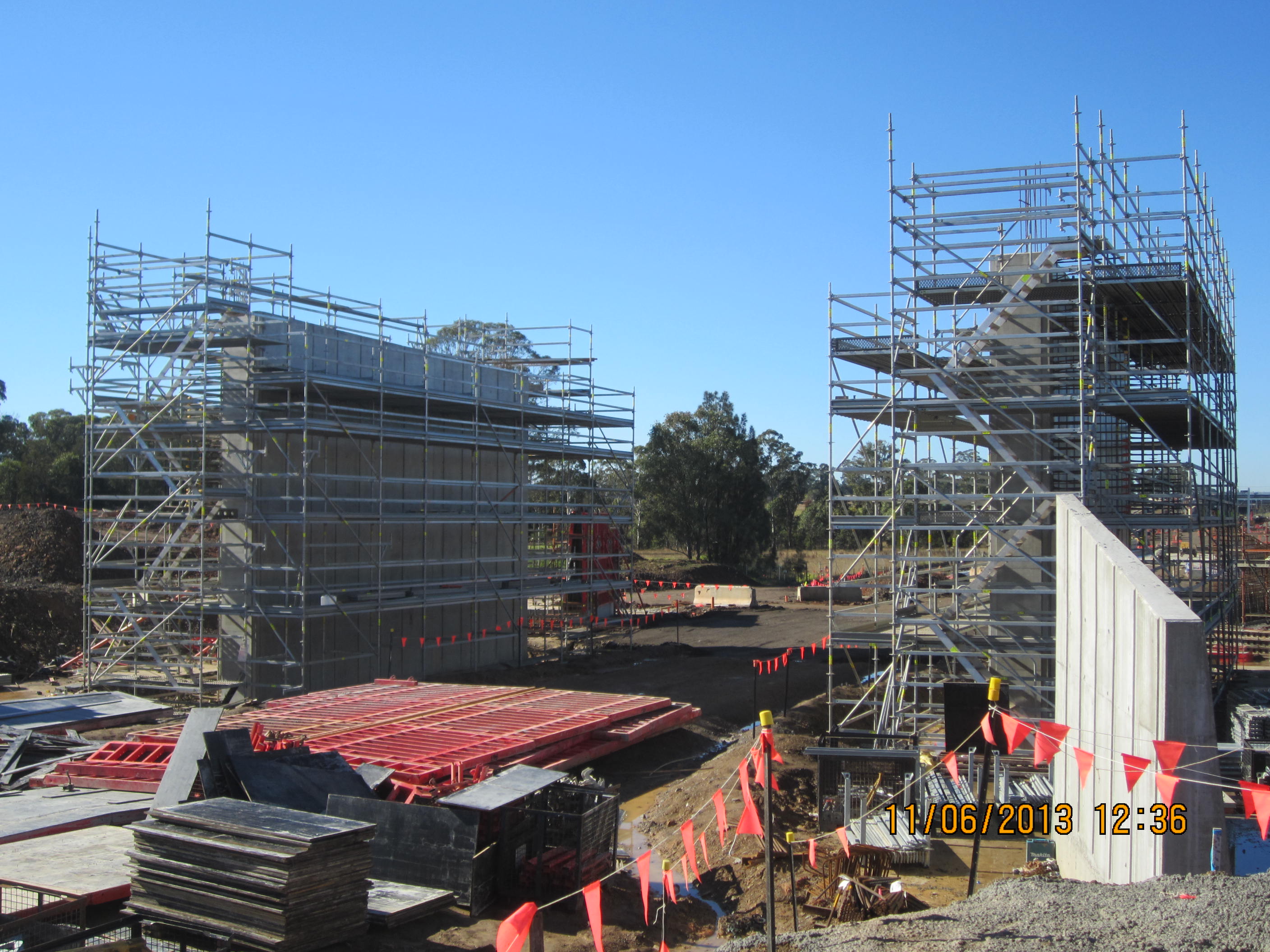
As part of the AMS I have had to recce the route for the delivery of the beams and produce a Vehicle Management Plan for the drivers to aid the coordination of the trucks approaching and entering site. Eack beam is 18m in length and weighs 16T and will be delivered on extendable trucks. The access to site is not the best after the civil team have dug up various parts and placed piles of earth in odd places which means we have had to wider the route in places by ordering a few hundred tonnes of recycled balast to lay down. This has not been welcomed by the civil team who have told us we will have to make sure we get rid of it all ourselves as it is not the required spec for fill that they can use. This has been somewhat annoying as it is their job to provide the required access for everyone working in the area but as we can only really relay onourselves when we have a tight timeline we have eaten into our budget to make it happen. I have also been badgering the geotech to certify the crane pad where our 220T crane will sit. The outriggers sit on a 9m square area which is causing a few problems as although the ground in the centre is more than adequte towards the sides it becomes somewhat sloppy. I spent fri laying some more recycled balast down to all-weather the area in case we had rain over the weekend to the slight horror of the geotech engineer who would have rathered we left it as is. The ground is solid and there has been structural fill laid by the civil team but as we couldn’t get hold of a heavy roller we did the proof roll with a bogey (single truck) which comes in at 11T. We had the 55T crane still in the middle at the time so when they left and rolled over the crane pad the noticeable ruts it left didn’t fill me with agreat deal of confidence of a pass. Sure enough we have a re-show to do on wed morning by which time we have borrowed a heavy roller to properly compact the top layer.
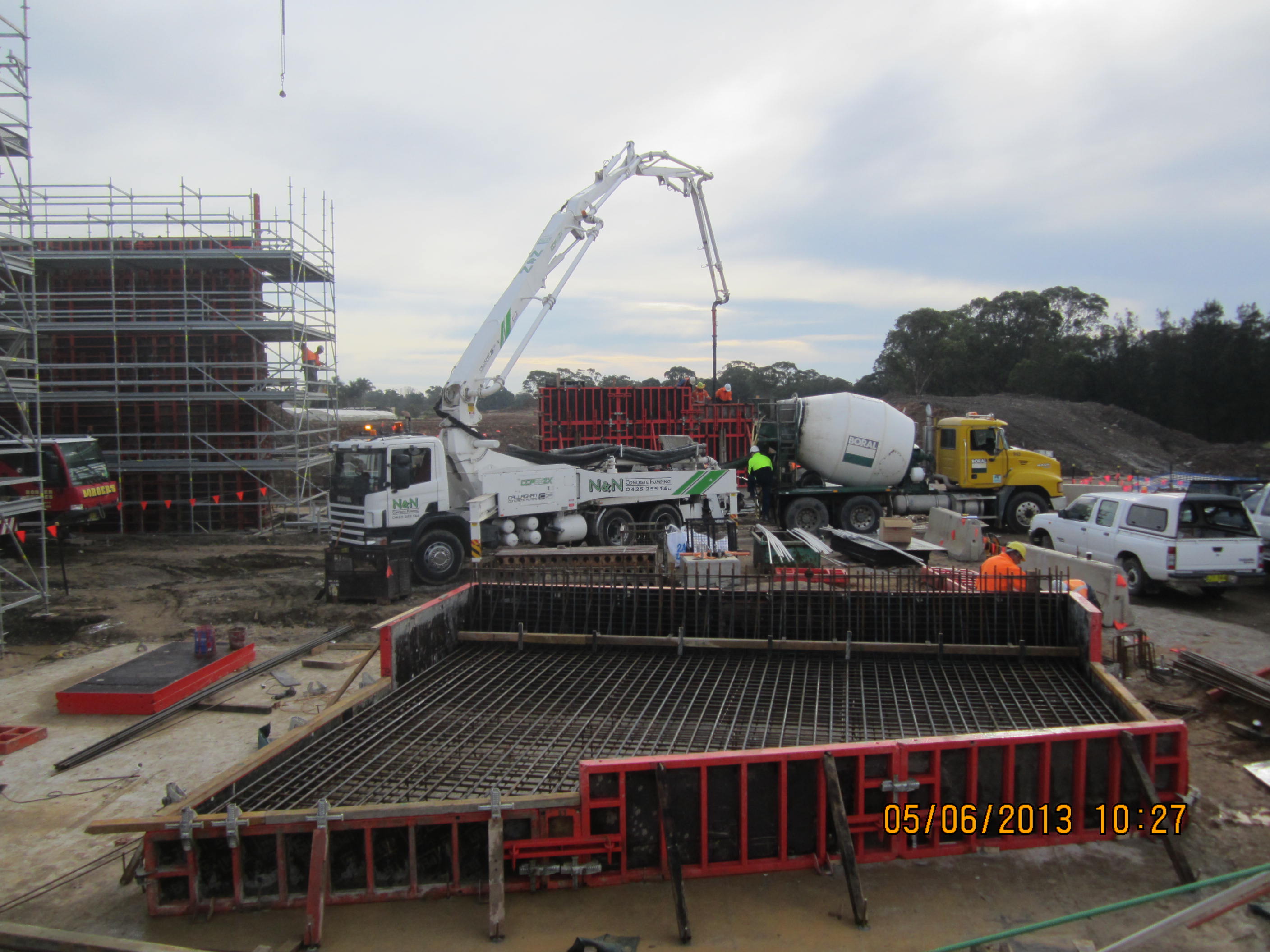
We also managed to pour the outer bas slab of the final deflection wall and the wall part of the adjacent outer deflection wall which just leaves the wall of the recent slab pour and then all the inner wall segments that will be flush to the abutment walls. In order to proceed with those we need to alter the scaffolding once the beams are in place so that we can backfill the area up to the abutments. We comtemplated changing the programme again so that we moved straight onto the deck and diaphragms as the sub-contractor is now struggling for work. As this is the last structure to start and finish all the other strauctures are close to finishing with only FRP work required at Edmonson Park station. This has meant we have had a surge of manpower from them but the time needed to install the beams will mean they may go off onto other jobs leaving us short staffed for the reminder of the work as their priorities change. Construction work around Sydney is apparently not looking good (for them) so they have staretd to lay off alot of their personnel. In fact there only seems to be about 4 people left after the last cull which may mean I might have to get some concreteing qualifications pretty sharpish!
Concrete Quality Issues
The dispute on the surface finish for upper basement columns has apparently been settled, though I am not too sure it has really started yet. The tender design specified grade 3 columns throughout the building as from ground floor up they will be sheathed and those levels below ground were only going painted for the car parks and storage areas so there was no requirement for anything better. The intention to paint the car-park columns was decided to be a maintenance issue (questionable) and that the columns should now be bare concrete. About 2 months ago the clients representative (CR) said that the finish on the basement columns was not suitable, and though it easily met the class 3 finish it was not quite what they wanted. The CR have promised to submit a variation order to change the spec from Class 3 to Class 2 but this is still pending. The initial issue was with the spiral “Ezy-Tube” forms giving a spiral effect on the outside – though not anything to do with the surface finish (concrete wise) it was really the catalyst. So the last few months has seem several test columns poured to reach the fables grade 3 column with a grade 2 look, it didn’t happen and was beginning to stall progress.

EzyTube form for circular columns
The decision by the construction director was made to purchase grade 2 forms (GSC) and provide 5 test columns (1.2m sample height poured and vibrated in different manners for the CR to choose from – the fact none of them had rebar in made the test fairly nugatory mind). This produced a definitive sample which was then required to be tested on a full column to produce a standard column from which to work to. The column was poured using the standard 65MPa, 20mm Agg, 150 Slump column mix but with a slump of 190mm which in my view is out of spec according to Aus Standards (>150 = (+or–) 40mm). This soup was always going to give a good finish and the addition of 10 minutes of vibro-poker action cranked up to 11 just finished it off nice.
The resulting test column is magnificent, it is so smooth I could lick it (it is clearly Class 1), but the additional vibration has clearly had an effect on the structural capacity as there is no way that 10 minutes of uber-pokering could not have the effect of separating the large agg to the bottom and the small agg to the top. This is apparently falling on deaf ears as JHG attempt to suck up to the client promising something which in my opinion we will never produce again, well not on my watch – I have been quite rigid on concrete spec and will no doubt get my arse chewed shortly for turning away too much concrete! (60.7m3 from 1336.7 so far (4.5%)). I am gaining commercial experience of how to pass the buck though.
I called an on-site meeting with the Quality Manager to discuss this issue and asked him to transmit to the CR the annex from the Aussie Standard that showed images of the surface finish grades as I do not believe that they even know what they are.
We were ready to pour 18 columns on Zone 4 on Tuesday but were held up by a 500m3 pour in the North. Unlucky really as the CR mentioned to me whilst on the deck that they had received no correspondence from JHG with reference to the column finish and that if we were to pour it would be entirely at our risk and we could be made to rip them out and start again if they were not happy. Strange really as JHG contractually carry all the risk anyway but stern words all the same. They also stated that they required confirmatory test columns to be poured too. This was conveyed to the upper echelons of the NCH and it was decided to pour 3 more test columns.
The pour was started on time for a change, but the first test I did on the mix gave a slump of 230mm so I immediately retested as per AS and got 220mm so turned it away and got the next one on. It was tested at 230mm and then 220mm so I turned it away too. I spoke with the concrete ninja at the supplier and he said it must just be a bad batch as both drivers claim not to have added additional water. The pour was aborted and rescheduled for the afternoon. This pour went relatively smoothly with a 140mm slump (added 10l to the mix to bring it to 160mm, and a 160mm slump for the next truck) and 3 columns plus a ramp wall were finally poured.
All the detail about quality mentioned above said, the columns were stripped this morning and I would assess them as high class 2 so pretty happy considering. Now I just have to deal with the admin of turning away vehicles and the fact the pump operators decided that blowing out their slurry mix onto the access slab was a good idea.
In other news the rumour mill is in overdrive as the management have decided to re-organise the teams to inspire better teamwork. This has been widely conveyed yet with no detail, so everybody is in limbo. The only definite is my comrade in the South who is moving North, so I fully expect the workload to increase as he goes. The unions have started a new campaign, portraying JHG as a circus, including a ringmaster and animals – actually quite funny.
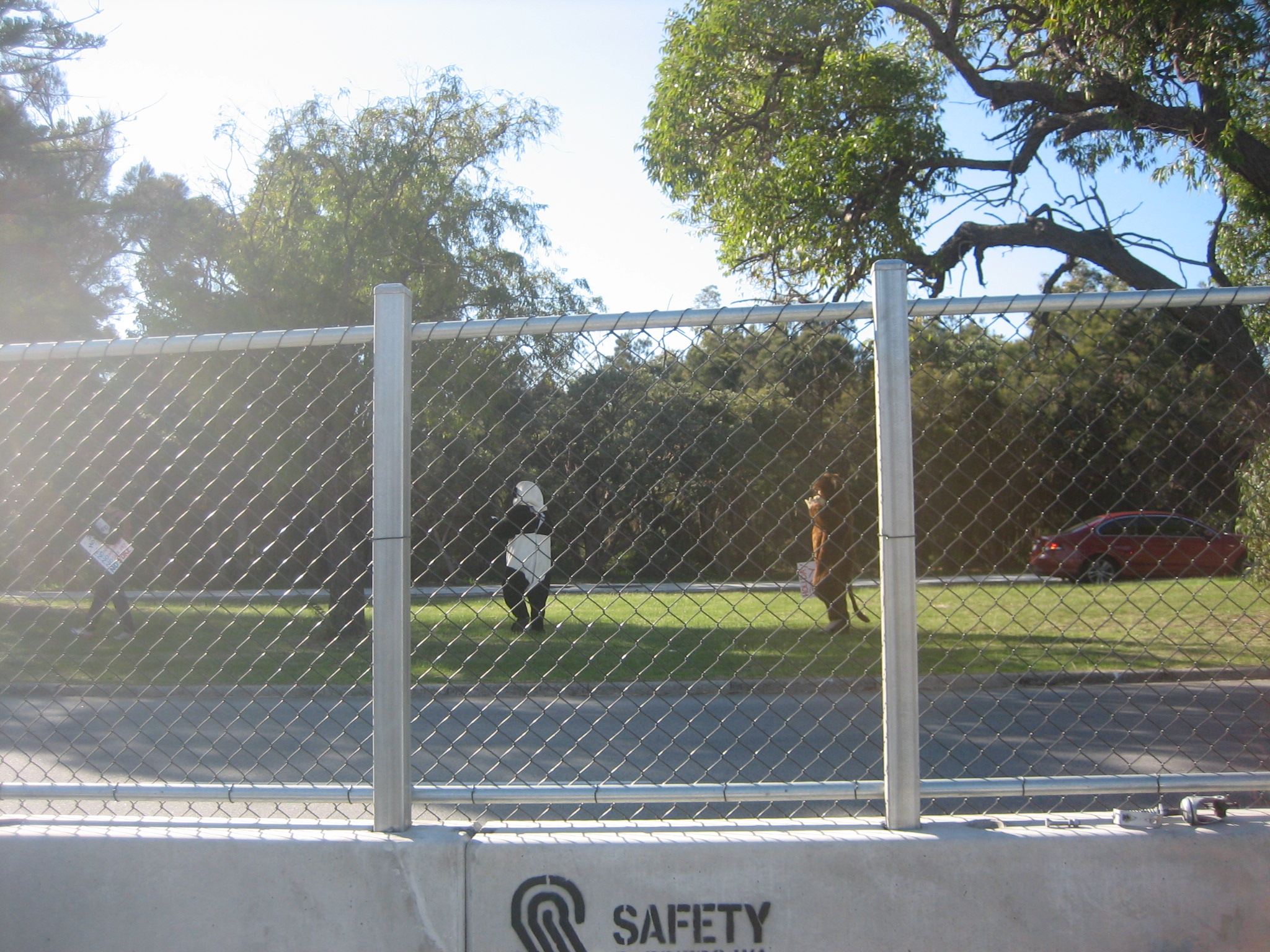
The Circus animals
Nicky and I also went to cheer on the British and Irish Lions on Wed, fairly average game and pretty poor stadium for an atmosphere, but town was alive and good fun – still on the hunt for tickets to the 3rd test, so keep your ears/eyes open please.
Quality issues!!
The excavation of the shaft is well under way. The Sub contractors (Barhale) have continued to fall behind schedule for a number of reasons, mostly falling foul of the detail within the contract. According to their project program, they were supposed to have excavated to the lower ring beam at 10m below the capping beam by Friday. However, as of Friday, they had only achieved 7m depth. Firstly, this was due to the shaft piles allowing water to seep in-between the male and female piles. Secondly, it was due to the excavator not having the correct fire suppression systems in place. Thirdly, a Compensation Event Notice (CEN) was issued to them as they were overfilling the Muckaway trucks by up to 3T.
However, we (BFK) have begun to fall foul of the contract detail between Crossrail (CRL) and ourselves. They have issued us with a number of Early Warnings and CEN’s. Most of this has been down to the quality procedures (or lack of) that BFK have been implementing. As such I have now become the ‘Quality Representative’ for the site at Fisher Street. As I have mentioned before in previous blogs, each material used in the project must be approved by CRL and each significant component has an Individual Inspection and Test Plan (ITP). The shaft excavation is using a Sprayed Concrete lining (SCL) method and therefore a lot of the assurances required for CRL are obtained by the continuos testing of the concrete used in the spraying.However, it seems that the testing plan, detailed in the concrete ITP, have been ignored and therefore there is no way of demonstrating the quality of the concrete. Luckily for us this situation has not been replicated at Fisher Street but both Bond street (BOS) and Tottenham Court Road (TCR) sites have fallen foul of the testing.
In order to get a better understanding of the CEN and the Early Warning process, I organised a presentation from one of the contract managers. The presentation was extremely interesting. The NEC option 3 contract, used between us and CRL, has been modified in a number of areas to achieve CRL’s goals. The 900 variation orders that have now been issued by CRL have not had quotations associated to them. So when it has come to increasing the target price of the contract there has been some serious arguments. In order to regain the money that CRL are losing in the increased target costs, they have been issuing large quantities of CEN’s. This has resulted with BFK attempting to use clause 60.1 of the NEC to get out of any compensation payments. This entire field of the project has been really interesting, after a bit more investigation I was invited for drinks with the Company that has been arbitrating between CRL and BFK. It turned into quite a heavy drinking session with the CEO and deputy CEO on Concordia Consultancy, very interesting.
Back on site, there has been some serious progress, however in the office the rifts are growing more than ever. Alejandro, the Spanish Agent, looks like he is about to get the sack. He was moved here from TCR where he was a sub agent and has not really made the transition from one role to the other. The sub agent on site, Lyndoon, appears to be universally hated within the CRL project, and is refusing to work Shift timings. As a consequence the other subagents are having to pick up the slack. I have offered to assist but Im unable to act as a sub-agent, due to the terms of the contract.
Anyway, I am enjoying the work more than ever and I feel I am getting a great deal of benefit from the secondment.
Got to Turn Around
After a busy week last week, things have continued to pick up pace. I am now supporting two projects as well as managing my own little one and developing my understanding of how BP conducts off-shore business. It is quite clear to me now how crucial good risk management is from an early point in project life as my involvement in the Clair Coolers project is showing.
P60 Bridge Access Platform
This project has gone quite at the moment, there are no milestones looming (the first one is in July) and the team in Runcorn is on the case. I had a project review meeting planned for last week where I was to discuss with the JRE (Andrew Dickinson) and the senior structural engineer (Ian Hartley) where the design was and identify any sticking points. But due to picking up some last minute work, this has now slid to the right and will take place this week. I’m looking forward to finding out where Ians design work is leading as his initial drawings showed the steelwork being welded in place. The key issue in this design is avoiding hotwork if at all possible so that it can be carried out outside of a TAR (even during a TAR the asset is really not keen on hotwork) and so I am interested to see how he proposes to attach the inspection platform structure to the asset.
Caisson Re-placement programme
My visit to the Bruce ACE turned out to be less exciting than I imagined. It was a completely on-shore meeting, for some reason I thought that the Area Engineering Support Team Lead would work off-shore, but I will put that down to industry naivitiy, I expect everything to be off-shore. In reality, as you would expect, everything that can be done on shore is done on shore to protect the bottom line. In the end the meeting took place between the caissons team from Projects and Mods (Kerry, Craig and Myself), the AESTL (representing the business end of the asset), Colin Wilson (representing Discipline and the caisson integrity case) and one of the Bruce mechanical engineers (representing the asset in terms of process and mechanical engineering). I made the case for the delay of the Caisson 13 until 2015 on account of it being a new scope that would not fit around the 2014 TAR due to the requirement for a good weather window (project team requirement), the reduced water requirement of the asset against the figures cited in the safety case (asset/process requirement) and the fact that while structural failure in one of the other caissons was relatively likely, it did not present a threat to the export/import risers and the repair process was a proven technique that could be worked up in a short period of time . This was essentially the fruition of the stakeholder/technical authority engagement I had conducted in the previous week and (with the support of the stakeholders who were actually there) the result was that the AESTL supported the move to delay the project execution. It was a good meeting but while the decision was made, none of the paper/electronic work that will ultimately provide a coherent background to the decision has so far appeared, so this week I will try and chivvy that along. The hardest part of this industry seems to be getting people to front up and write down their reccomendations after they have verbalised them and therefore take on some of the risk!
Clair Coolers
I got involved in this on Wednesday last week and it has since given me an excellent grounding in the risk analysis procedure used in the eMOC (electronic Management of Change) system. The project is in the process of going off shore, but it is unusual in that it has not followed the BP Capital Value Process and therefore has several substantial residual risks attached to it.
The coolers are shell and tube heat exchangers used for cooling produced hydrocarbon gas as it is compressed to around 250 barA. In October 2012 gas was found to be contaminating the coolant fluid and upon inspection internal corrosion of the coolers was found to be the cause. The coolers were repaired sufficiently to be put back into service and a plan was initiated to install like for like replacements. Simples.
Since then a whole raft of side issues have caused this to be anything but a like for like replacement. As changes have been signed off and deviations agreed the risks have mutated. This was the third eMOC risk assessment designed to capture and treat all of the remaining risk. Present where the contractors representatives, the asset and various disc lines from within Engineering Services. In the end it was a little like herding cats, especially as the chair refused to admit she was chair (even though she clearly was), the SPA remained steadfastly silent and implacable throughout and any argument that could be made circular was. Lesson learned and if I am in that situation again I will have no problem in volunteering to chair. I understood pretty much everything and the areas I didn’t people were happy to explain. What should have taken a day took the better part of two days, but conclude it did with a list of 18 risks requiring action at either pre or post implementation. I’ve got the job of ensuring that these risks are captured in the electronic system and so I’ll spend the next week reviewing the supporting technical documentation, summarising it and, more than likely, chasing it up in the first place.
It is an excellent example of how a project can be forced through a change managment process, but at the penalty of significantly increased cost and complexity. Every day the current coolers are down is a loss of about £500k so it is not surprising the decision was taken. Had this project been Appraised properly at the start many of the problems encountered would have had early solutions, but then the process would have taken 2 years instead on 9 months.
 One of the most striking aspects of this project is the sheer complexity of removing and installing the coolers. BP commissioned a construction animation (at a cost of around 25k) from which the pictures were taken as screen shots. As a tool for educating all parties it clearly show the removal and replacement procedures with incredible clarity.
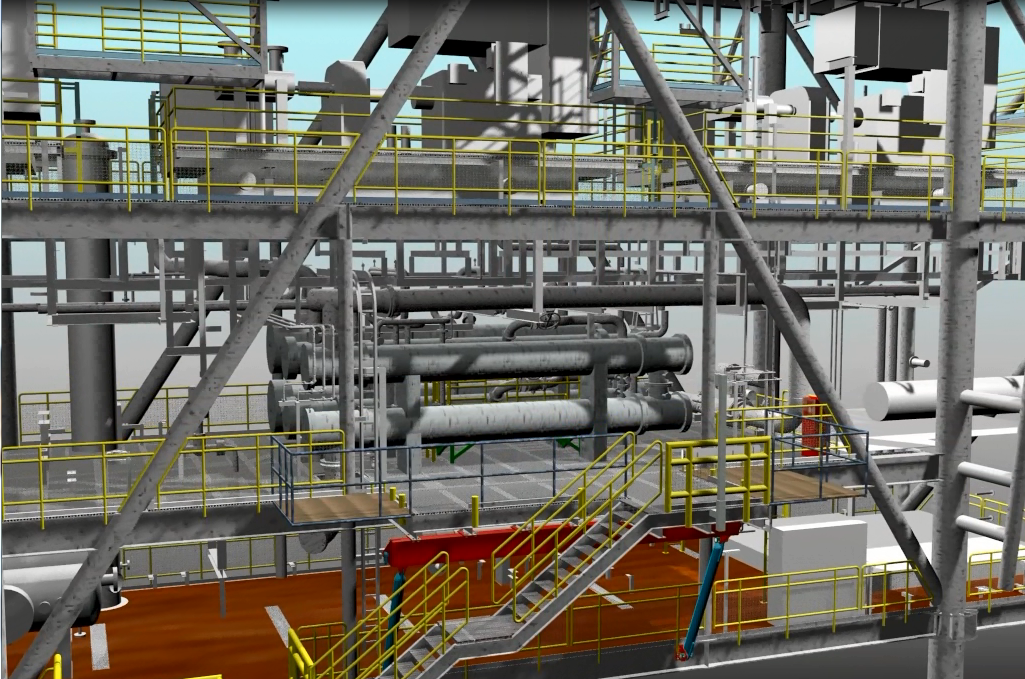
At this point the pre-TAR shutdown on Clair has begun, the original coolers failed last month and the project is now underway. Initial work-scopes have begun with the installation of the new coolers to take place in three weeks and it is all hands on deck to get the project risk conveyed and agreed by the Clair Engineering Support Team Leader so that it can be effectively managed into the future.
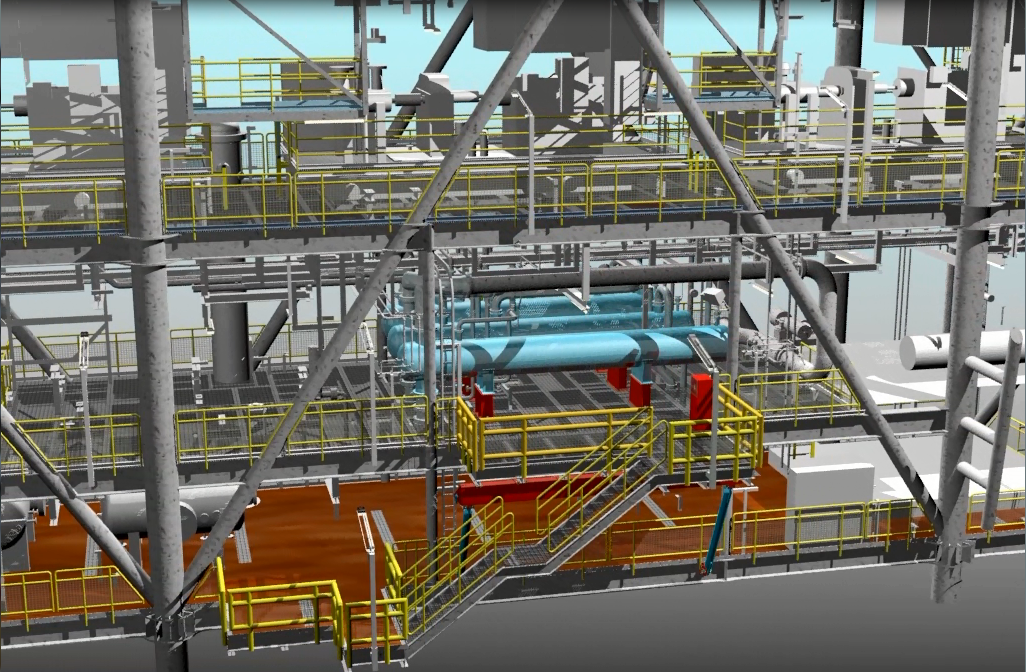
The reference to my TMR is that this began as a simple like for like replacement that has grown arms and legs. When the design contractor was completing the calculations for re-installing the existing pipework it was found that the pipe routes were under designed to meet the stresses imposed by the process pressures and temperatures. It seems that the original design failed to take into account the change in conditions induced by the recycle line from each compressor at each stage of the three stages. With this included in the calculations the temperature in the flow lines was capable of reaching a maximum some 50degC above what had been designed resulting in potential over stressing of the system. Now it is unclear to me how often the operating conditions achieve the design conditions, but judging by the colour of the assets process engineers’ face after the realisation dawned it was often enough. He was quite clear that had he known this before, the gas train would have been shut off much earlier.
In Other News
I feel really left out in the America stakes, I often see wild animals (deer, rabbits, hairy coos and even an Osprey), but despite riding as quickly as I can they remain steadfastly alive. Hugo will be starting at a creche in about two weeks and Corine will be starting with Grampian shortly after that. Summer has arrived (two days so far) and cycling in to work is very pleasant, especially when I get to detour through the local woodland. Chris has got Dougal with him this week and so I accompanied him for a lunchtime walk. It is amazing at how alike dogs can be to their owners, Dougal was consummately happy crawling through the mud at the bottom of every ditch , although I thought his chat was better than the average Commando Engineer.
Milestone hit!
This week has seen yet another significant concrete pour, and actually a milestone we hit! Once again there were several issues though. Reliance upon the sub-contractor to do what he is meant to do is actually more of an issue than it would seem. I have organised pre-pour meetings with all the involved sub-contractors and managers in order to inform, discuss and resolve potential issues for the last 5 suspended slab pours (I even have an “Actions On” section in the minutes) but it appears that no matter what is decided the contractor tends to do what he wants to anyway. This recent pour of Zone 6 was no exception. It was a relatively large at 330m3 and incorporated a mix with the addition of Xypex for a small area of the slab. It was to be pumped from the semi-permanent concrete pump in the slip-lane through about 130m of 150mm diameter pipeline on the boom mast. The issue with this pour is that the 3rd mast is not yet operational, and therefore the 2nd was used which didn’t quite have the reach (this meant time consuming pipe connecting, and the inevitable blockages each time).
The pour was due to start at 0700 but due to rain during the night, the client declared that the falsework required an additional inspection before the State was happy to sign off on the pour card to let the work commence. This delayed the pour to 0800. The pour was then delayed to 0900 as the concrete sub-contractor had not moved the required tools across the night before (as agreed in the pre-pour meeting). As the concrete arrived there was a brief shower of light rain which resulted in the concreters retiring under cover stating that they don’t work in the rain. This added an extra 30mins to the start, whilst I had to call the sub-contractor to sort the situation. Once the inevitable blockage was cleared the pour started at approximately 1000. I was not considerably worried about this, as I know that once the pour has started it will continue until complete and it really will be a case of “You’re in your own time now.” So the incentive was on them to work efficiently. As the pour progressed I became increasingly aware just how lethargic the concreters were, there was just no sense of urgency. Concrete was continually at the pump throughout the day – I was actually pleased with the JHG performance during the day – yet it just wasn’t being placed as quickly as required. The pour finished at 2030, approximately 10.5hrs after starting. JHG laid on pizza for the late workers, but I decided that I was not going to wait around until they had finished the surface correctly. They eventually finished at 2330.
On inspection in the morning it was clear what an awful job had been done. Unfinished surfaces, badly floated surfaces, holes in the top, aggregate showing, undulations in the surface, and even footprints. I had a walk around with the camera to record the post pour inspection. The most striking issue was with the use of Rugasol. Rugasol is a chemical agent that prevents the cement past bonding with the aggregate to a depth of about 4mm in order that post pour the construction joints at column tops and upstand walls can be water blasted to a good scabbled finish instead of chipping them out. The rugasol application on zone 6 was pretty liberal, and not confined to the columns and walls. This coupled with the undulations meant that the fluid had spread around the CJ’s damaging large areas of the surface. I raised all these issues with the PM and Site Manager, supplied the evidence and then sat back as they went into battle. The remainder of the non-conformance points will be raised in the project pack for resolution.
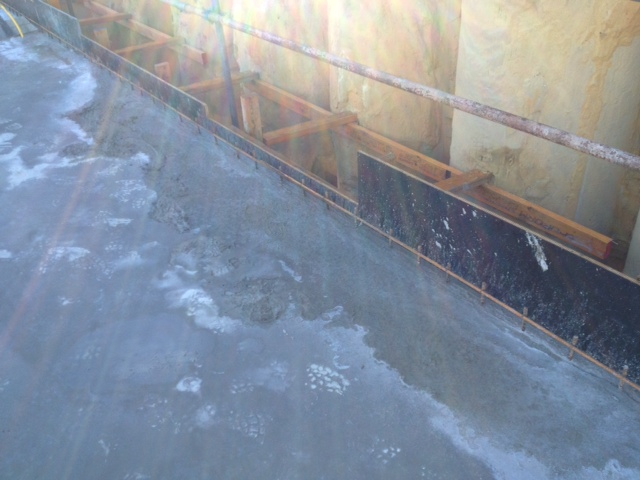
Rugasol spillage around upstand wall
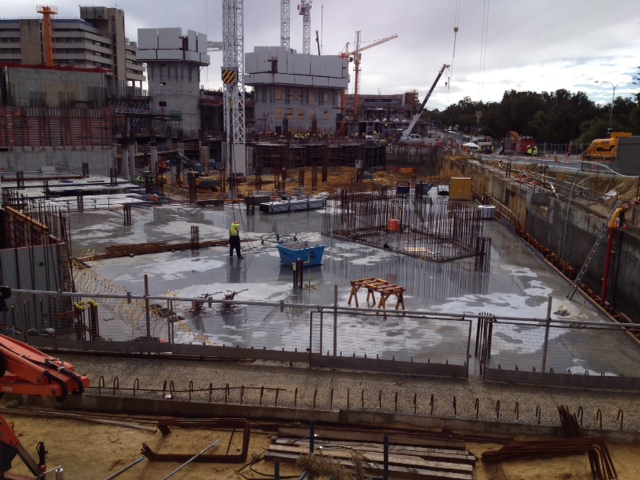
Zone 6 – the day after (note the puddling in the undulations)
During the recent concrete pours I have become aware that the management of the pour is dominated by JHG personnel, who take a lot of abuse for pretty much any issue. I was not overly happy with this as it is usually me that takes the brunt of it. Whilst I was delving into the sub-contractors contracts to build the cases for later arguments about the NCR’s I noted that the concrete sub-contractor was actually responsible for calculating concrete quantities, receiving concrete onto site, and managing the actual pour and that the concrete supplier should have a representative on site to manage the trucks. I proposed to my PM that the concrete pour is broken down into stages.
- Preparation. Managed by JHG. Engr continues to calculate concrete quantities and types. Site Manager orders and briefs sub-contractor of when it will occur. Pre-Pour meeting as normal.
- Delivery. The concrete supplier is responsible from batching to delivery onto site. He manages the trucks ensure that no more than 3 are waiting in the slip lane at any time (Maximum allowed in Safety plan). The concrete sub-contractor receives the trucks and marshals them in order to the pump. The JHG engineer tests to ensure quality.
- Placement. The concrete sub-contractor is responsible for the pouring of concrete and calling in the excess to finish the slab as necessary.
Risk-wise, I think JHG had put too much on the line by involving the Engr and Site Manager so heavily. The sub-contractor is being paid to take the risk, so he should take it. (By all accounts they are actually quite keen to do it). I have drafted a concrete management plan that I have thrown around the Engrs and Site Managers and will submit to the PM this week to get it signed off. Nothing official really, more of a Memorandum of understanding to ensure that the sub-contractors are aware of what their responsibilities are. There is even a task-org in it. I think the Sync Matrix was pushing it!
WA has its fair share of public holidays, so Nicky and I have made the most of this long weekend by driving down to Margaret River, 3hrs south of Perth to spend some time with mates in the wine and surf region. I finally managed to get in the water on Sunday. It wasn’t as big as I would have liked, but the reef that was only 4ft below the waterline was incentive enough not to wipeout too heavily – Success, you’ll be pleased to hear. We returned today with a heavily laden car full of wine and a very unheavy wallet. This week sees the British and Irish Lions visiting Perth. I don’t think productivity in the site office will be high on Wed afternoon. Nicky and I are catching up with Steve and Fay and a few other mates, so it should be a good night. Having attended Western Force’s fixture last Saturday, I do not predict any real issues for the Lions. Potentially a 3 figure score.
Starting to look like a bridge.
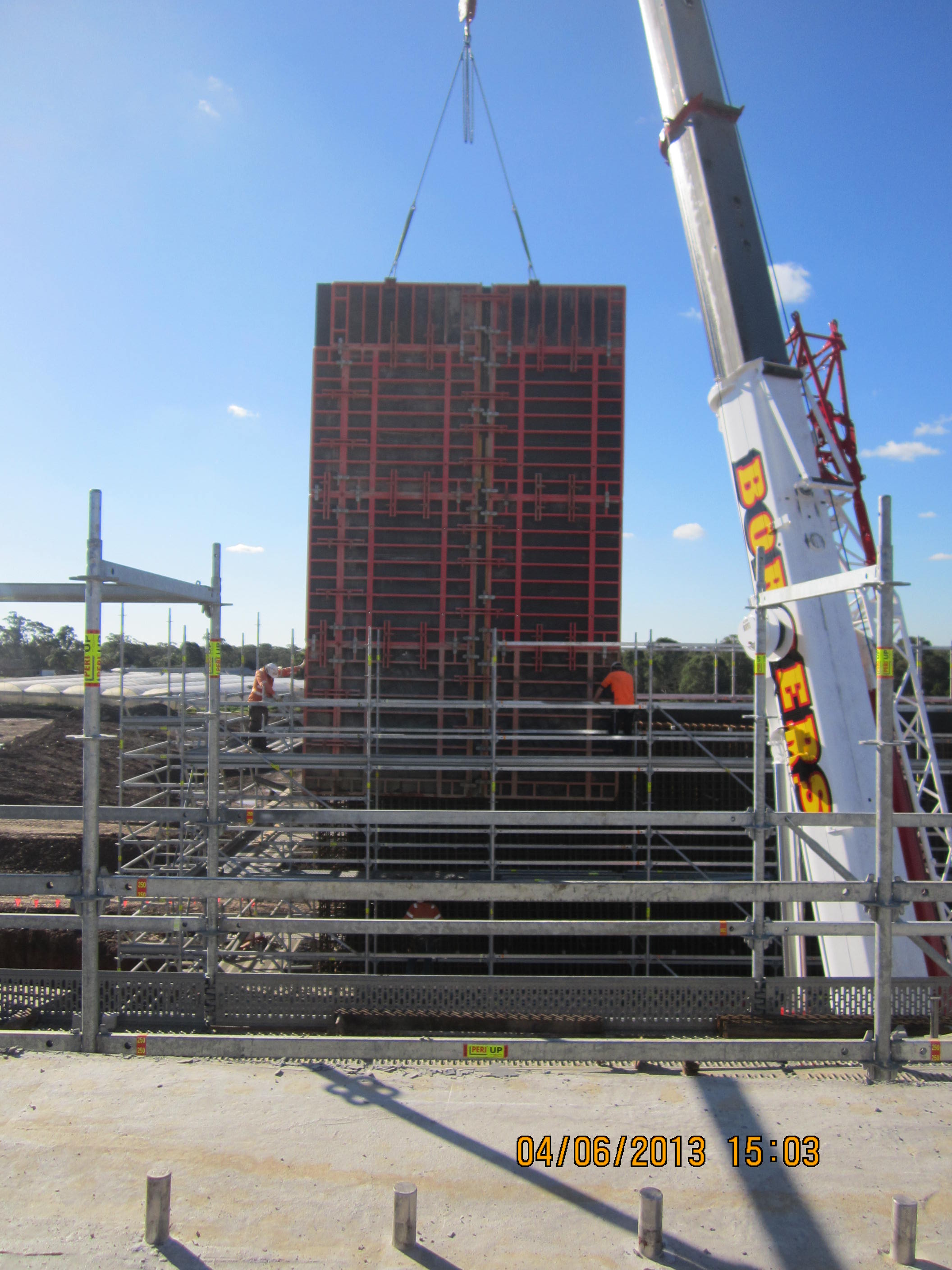
Despite the threat of rain we managd to get the 55T crane in and place all the shutters for abutment A by thu to pour fri. I was literally waiting until just before the pour on fri morning for the pour rate to be issue from the formwork sub-contractor’s independent certifier but it came through just as the first truck pulled in. The concrete was 21oC which meant we could pour at a rate of 1.6m of wall per hour. The wall is 14m in width, 1.1m in depth and 8.8-9.2m in height (crossfall variation) which meant every 1m of height was about 15m^3. It took just over 7 hours to pour and in the end the service we got from Boral concrete was pretty good and just under the pour rate for most of the day. I ordered 136m^3 and had a 1m^3 left over with about 0.5 left in the pump so just about spot on and the site is noe taking shape.We also had very good progress on abutment B with the majority of the steel now fixed. I have pulled another saturday so the steel fixers are in again today and we are also cracking the bolts on the abutment A formwork in preparation to strip the dhutters on mon with the 55T crane agin and transfer them straight over to abutment B. If we can pour abutment B on thu as intended then we should be all good to lift the deck beams on over thu, fri, sat the following week just in time for rail to come through the week after that. The main issue will be weather, when we get a day of rain it usually takes two out of the program as the entire site becomes boggy. Dickson rd site is not too bad as we have all-weathered the short access track but we still have to pump the site the next day as backfilled excavation around the pile caps tends to become a nice swimming pool.
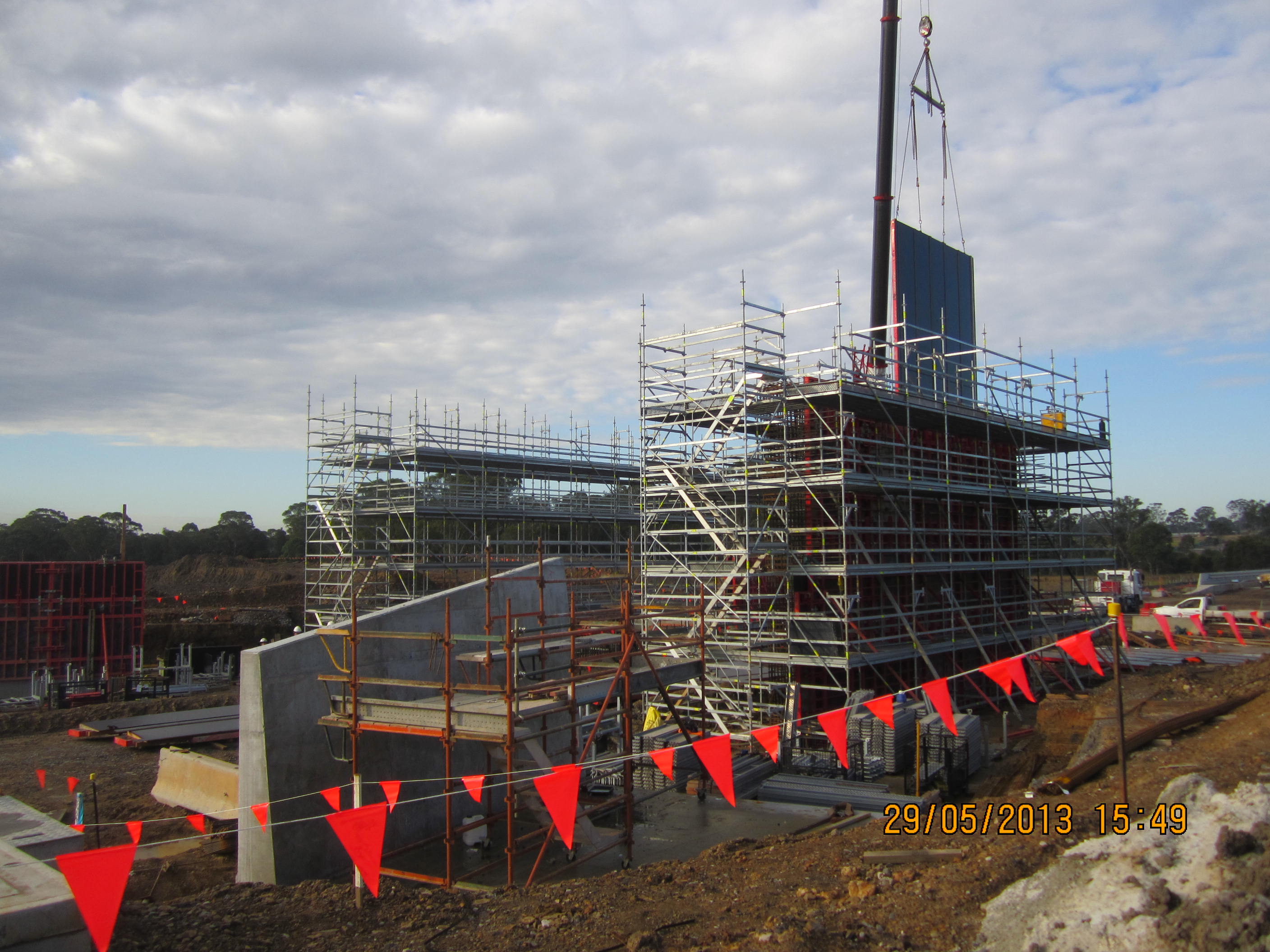

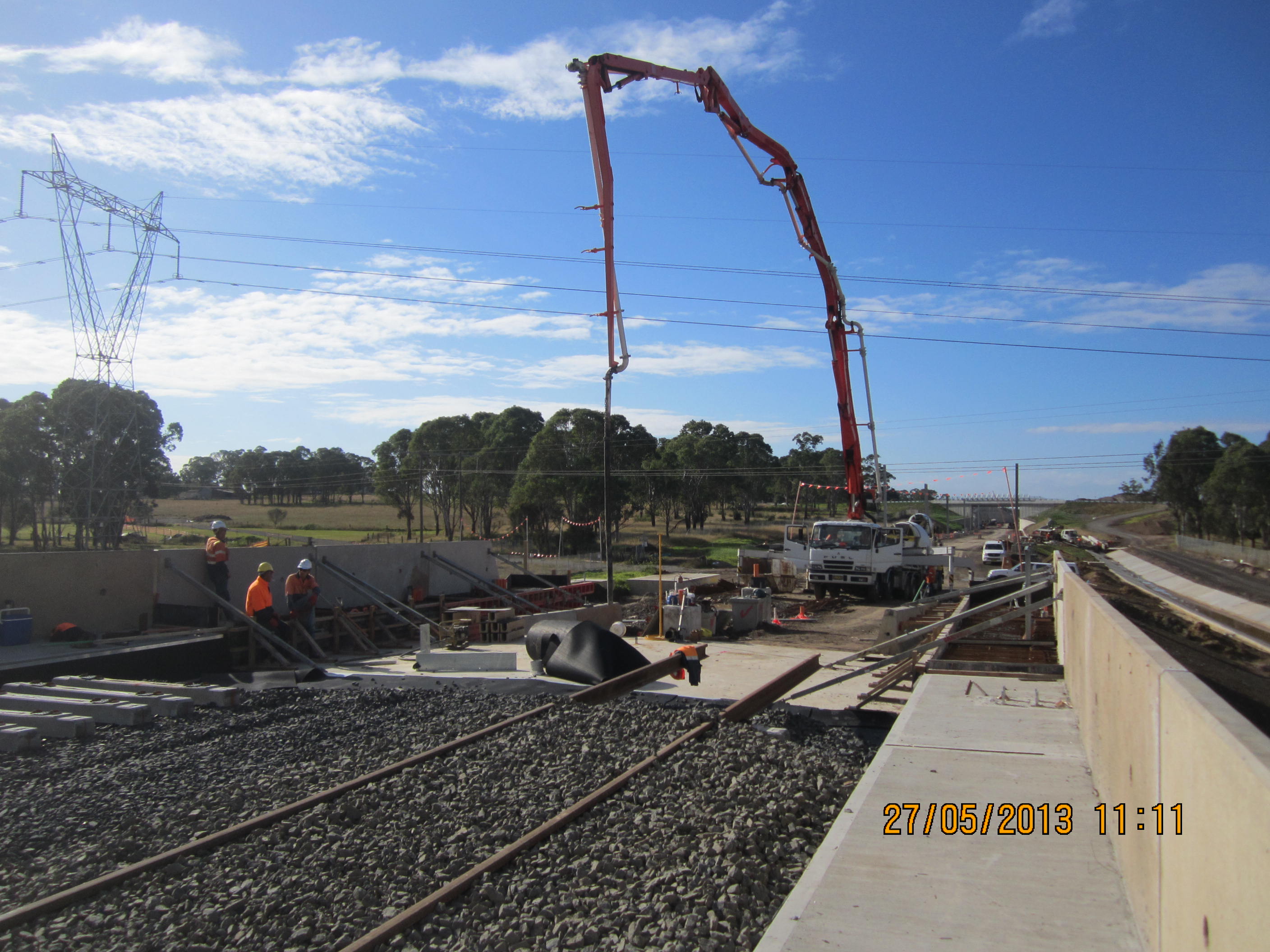
Kemps Creek bridge is practically finished now after pouring the final CSR walkways at abutment B. Rail has been laid across the bridge up to abutment B so we could finish off our work and all that remains is the walkway stairs to be formed and poured which give access to the abutments and piers. We do have afew access issues now though so may have to wait until the access route is finished in the stabling yard to do the stairs at abutment A as we can no longer put a pump on the deck due to the tracks.
 Holdfast Training Services Trial Blog