Piles, piles and more piles…
A little background first for everyone on the Yeppen South Project. The project is an elevated highway to allow access to the town of Rockhampton, even when the area floods (which it tends to do on a semi-regular basis). My part in this will be as the project engineer responsible for bridge 1. That involves 43 piers with an average of 16 piles on each pier. To put it another way, it seems like I am doing Ex Soft Bottom in real life!
The ground we are constructing on is a floodplain and as its still the rainy season most of the site is currently under water (pier 3 where we are due to start piling is under about 2m of water right now…). The ground has been split into 4 main groups in the GDR:
ALL1: Quaternary Alluvium, comprised soft to very stiff silty clay, and was encountered at varying depths from the existing ground surface to a depth of 18.2m. The thickness of this layer varied from 7.0m to 18.2m. Silty clays/clays were generally of high plasticity based on a plot of the Atterberg limits test results. D Na
ALL2: Quaternary Alluvium, comprised loose to very dense sands and gravels inter-bedded with generally firm to hard clay lenses and pockets, encountered at varying depths between 7.0m and 45.4m. The thickness of this layer was found to vary from 3.4m to 36.7m.
RS: Residual soils, comprising very stiff to hard silty clay, were encountered at varying depths between 27.0m and 48.5m. The thickness of this layer varied from 1.8m to 11.3m.
RG: Rockhampton Group, comprising extremely weathered to slightly weathered siltstone/sandstone/conglomerate with varying strength that generally increased with depth. Rock-head was encountered at varying depths across the site between 16.0m and 48.5m below existing ground level.
Groundwater was found in previous studies at 2.7m below surface, but this is extremely seasonal. Fig 1 and 2 show cross sections for the length of bridge 1.
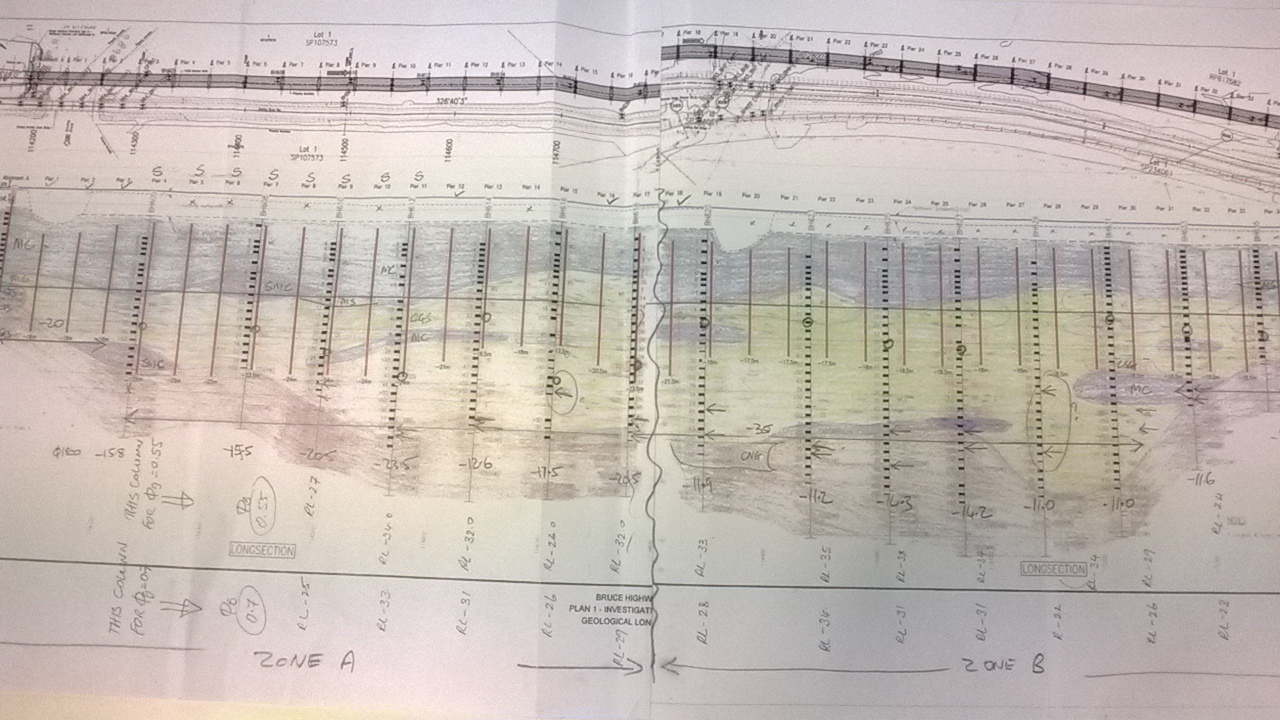
Fig 1 – “an artists impression” cross section of the ground
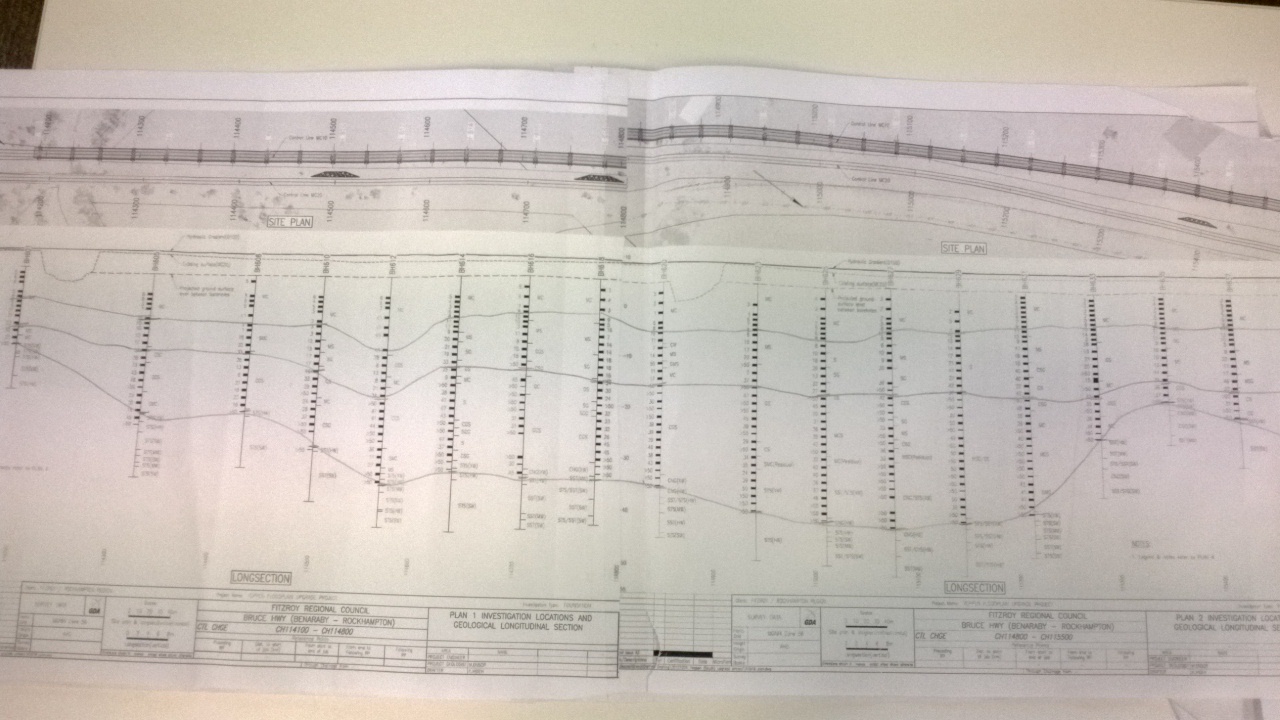
Fig 2 – showing the layers of the 4 main groups
The piles are subject to the following Ultimate actions: an axial load of 2550KN with Fx = 80KN , Fy = 50KN, Mx = 225 KN and My = 310 KN, Tension is expected to be 160 to 270KN. There are 43 piers on bridge 1 and each span is 35m. The actions vary slightly but not massively from pier to pier.
I’m not sure what the results would be if you fired it into the Bently software (my laptop hasn’t arrived yet) but I will see what it gives. I may even go for some rough hand calcs to see what length I come up with and compare to what the real engineers have designed. The design piles are driven 550mm diameter octagonal precast prestressed concrete. And vary in length. The longest single piles are 28m and the spliced ones go to 33m. The pile cap layout is shown below (fig 3).
Fig 3 – General pile cap layout
There is also a potential problem with the high temperatures causing a lot of cracking in the concrete. This has led to the client (Qld Main Roads) imposing some very strict monitoring on all the concreting works on site. Thermocouples will need to be placed at different points in the pile caps, columns and headers. More specifically this means that I’ll need to get about 2000 thermocouples and a bunch of dataloggers. A number of mix designs have been decided on to take forward to testing and hopefully next week we will pour a test cube (that’s a 1m3 not the small UK test cubes) and see how they preform I curing. (that could be blog number 2…)
I thought I’d add in a little weather update for Hoops – its been over 28 degrees since I got here and the forecast says it’ll hit mid 30’s this weekend…..how are things on the East coast of the US?
 Holdfast Training Services Trial Blog
Peter
At least all things are falling into place. A right load of piles. How will you drive them in the water?…or are there common procedures?
All the very best
Neil