Block G Catastophe
Well I escaped the responsibility of Block G as there is still plenty of work to with ensuring that everything gets completed as OIC sewers, water and power. But I thought I would blog about this event from a few weeks ago especially for John and the Phase 1s as this is the part of the cofferdam they might be visiting.
Background
Block G is the most southern section of the building about 25m from the SW corner of the power station. On the thinnest part of land between the building and the railway arches. It is also the deepest part of the basement with the excavation due to be taken down to 8m BGL.
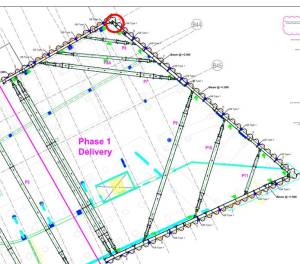 Block G (Power Station is to the top-left (25m) and railway structure below the drawing (10m))
Problem
As the dig was progressing the banksman noticed a hole in the sheet about 200mm by 200-250mm located at around -2.3m to -2.5m AOD (Ground level is +3.5m AOD). The hole seemed to have had a plate welded over it but the plate had come off. With the ground water level at around 0m AOD so some water was coming in and we had a bit of a puddle forming at the bottom corner.

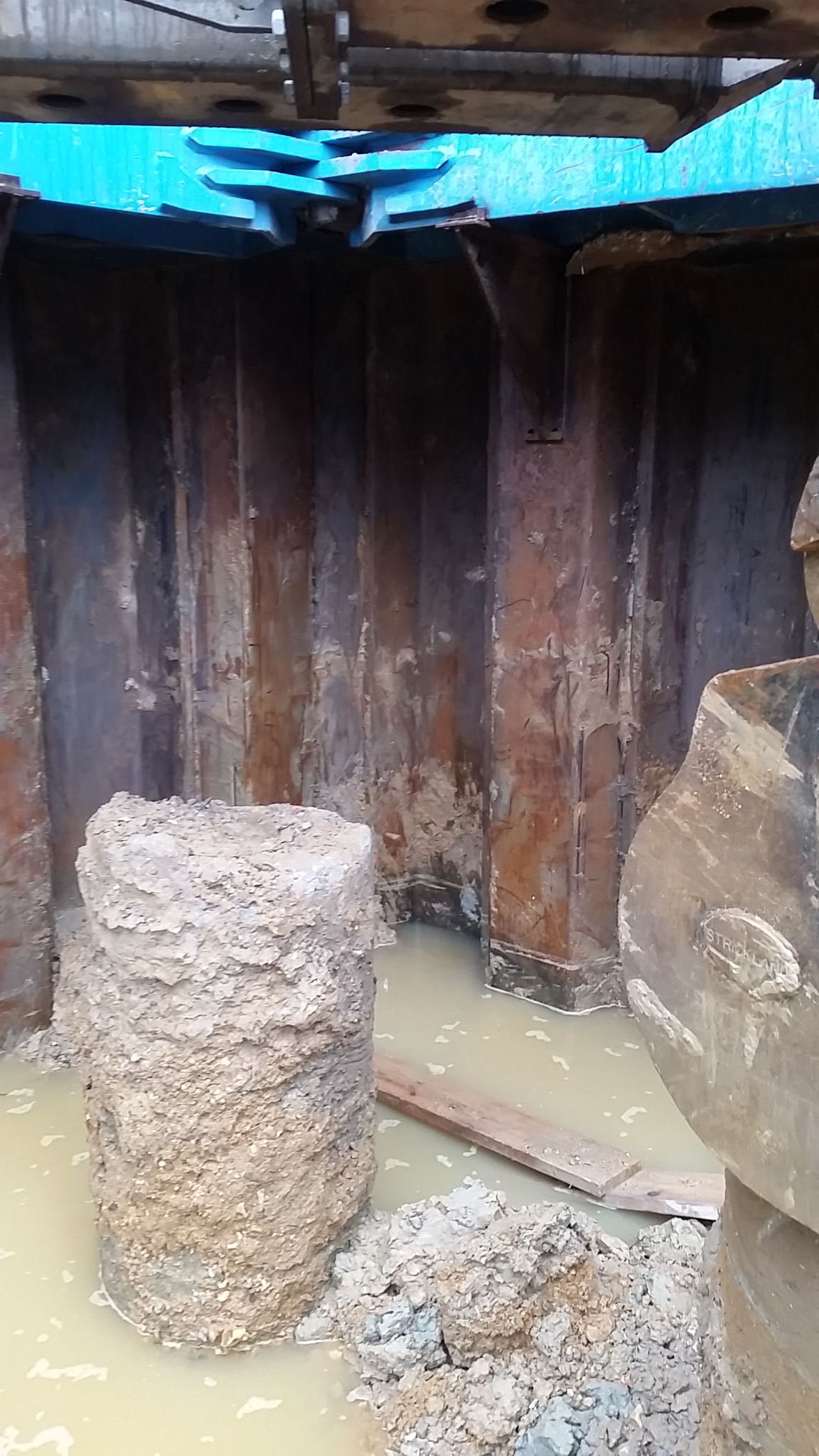
Initially that morning all were very calm, just a bit annoyed that there was a hole in the sheet pile. Apparently the hole had been noticed over the weekend but it wasn’t until the rain on Bank Holiday Monday that the water had risen to 1m high. THe construction staff in the office started to fly a few ideas around about how to seal the hole but with unstable sandy gravels and some clay in the excavation is wasn’t a safe enough surface to work from.
By 1600 hours after more rain things got more interesting and a nice pond feature started to appear:


The excavators had retreated to the highest points they could but the water had risen nearly 1.5m and was now lapping around their tracks. The office then became much more excited and frantic emails were being sent backwards and forwards between the construction manager and the temporary works department. The de-watering well can be seen in the pictures as the blue vertical pipe and this was maintaining the water level but not draining it. They tried to pump the water out with 2 tankers but the high groundwater levels in the terrace gravels above the clay layer just kept coming in. They then noticed another problem hiding behind the sheet piles:
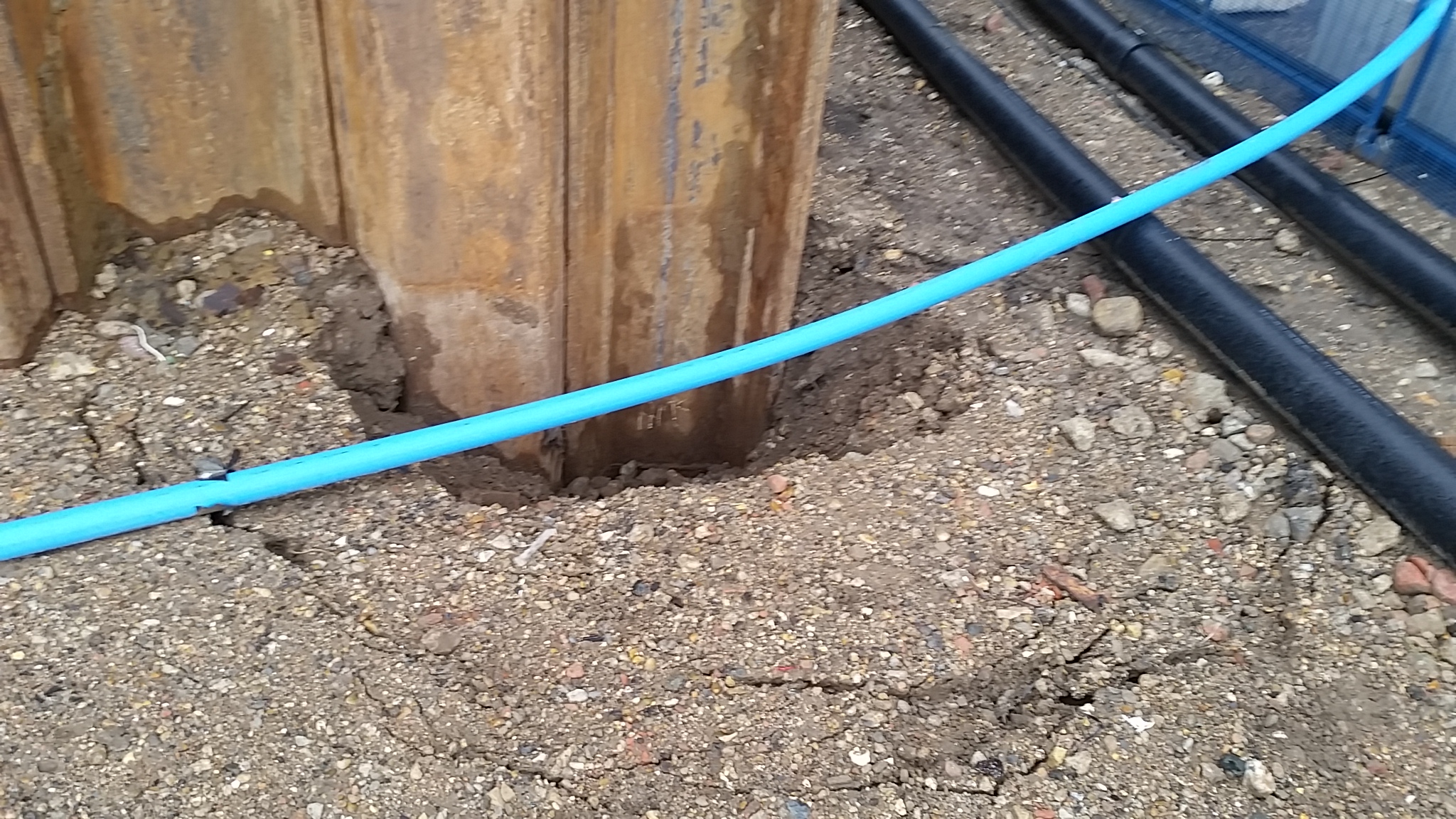
The constant pumping and removal of the water was also washing the fines into the hole creating voids causing ground loss on the surface behind the sheet piles. Luckily this corner isn’t right next to the power station or the railway line!
Solutions
My input to the problem was the suggestion of whacky ideas that could actually work the best being what I learnt on the Royal Navy Damage Repair Instructional Unit:
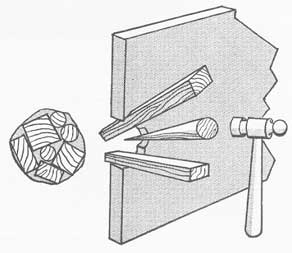
All you needed was to get the water down low enough to hammer some soft wood wedges in the hole or get a diver in! But since we couldn’t get the water levels down enough and a diver would take far too long the idea was liked in theory but not in practice.
The only other option was to block the other side of the sheet pile by driving another sheet pile behind it. All pumping was stopped to allow the water level to equalise and stop the migration of fines and they set about building a piling mat to support the crane required to drive the sheet pile into place. Once completed the water was pumped out and the culprit was uncovered and a plate was welded over the hole:

Lessons Learnt
- Don’t scrimp on second hand sheet piles at the deepest part of the excavation!
- Don’t use sheet piles with holes in or a plate welded on over the hole as they get ripped off during driving!
- If there’s a hole in your sheet pile, plug it immediately, don’t wait for it to flood over the Bank Holiday.
- Pumping water out of an excavation being fed by a months rainwater in the ground probably won’t work.
- RE Divers would have probably fixed it in a day and actually earned their dive pay.
Conclusion
Having caused a 1 week delay on the progress of Block G and incurred the cost of an additional piling mat and sheet pile being driven it will be interesting to see who foots the bill for this one. Carillion will blame the sheet pilers for using defective piles. They will blame Carillion for telling them to use second hand piles (one story is that decision was made to save money as these piles will be cut to join onto the Phase 2 works, the other story is that the job was rushed and only second hand piles were available). Someone will no doubt get the task of digging through numerous Employers Requirements (ERs), Addendum ER and Contractor Proposals to point the finger of blame.
Extra-Curricular Work
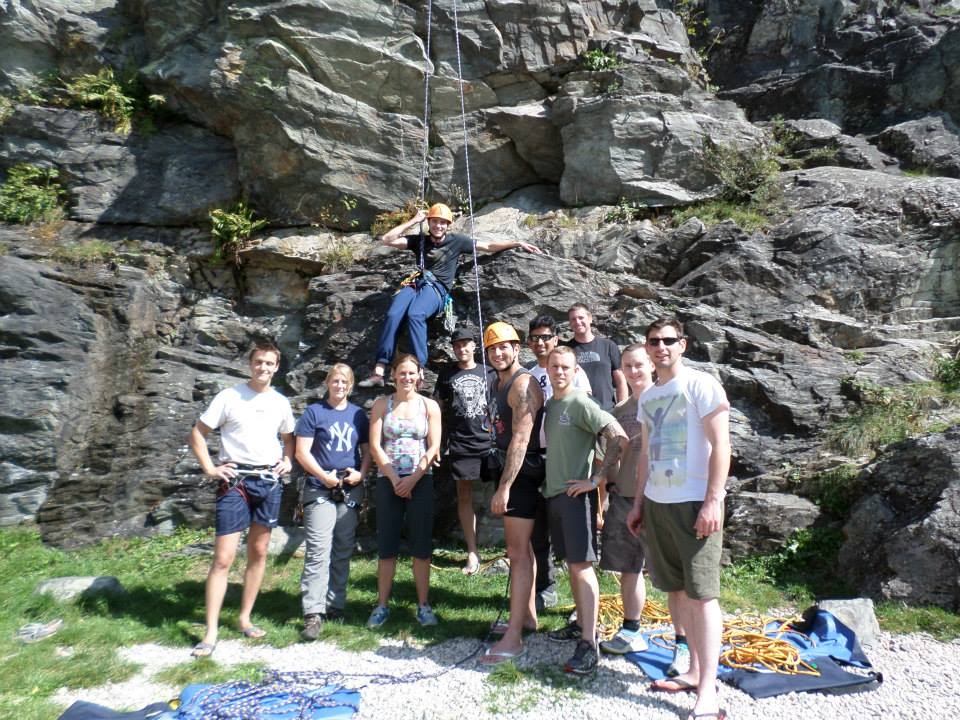
One of the reasons that Neil thought I was dead was that I have been away for a week in France teaching the AAC how to climb. I successfully delivered the new Rock Climbing Single Pitch Foundation (RSF) Course to 8 students on their expedition to a small place just outside Chamonix.

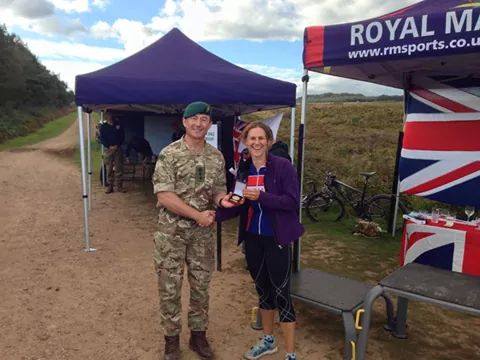
In the last month I have also become the Army Female Mountain Bike Champion and I represented the Army at the Inter-Services yesterday where I became the Inter-Services Champion. Unfortunately as a team we were beaten by the RNRM (who had set a gnarly course that looked like a B3 had got lost in the woods with a piece of mine tape!). I am hoping to race for the Army in National competitions next year and also get a nice bike sponsorship deal (and yes Rich, I am becoming a Stravasshole!).

 Holdfast Training Services Trial Blog
Good stuff Angela and many congratulations on your biking successes.
Angela,
You should read this
http://stravabully.wordpress.com/tag/strava/
Angela
Excellent news – not bad considering that it was not too long ago you were undergoing surgery.
I holt tomorrow’s visit goes well
Kind Regards
Neil