Time vs Quality – 5 mins Read
Throughout construction projects we are continually reminded of the time, cost, quality conundrum. Other than relatively small military construction tasks, rarely have I experienced this compromise so evidently as in the example below. Conceptually, it makes complete sense that you cannot achieve all 3 at the same time; designers, engineers, construction managers must appropriately select the driving force and stick to that philosophy throughout all stages of project management.
During a recent weekend rail possession on the T8 Airport Line in Sydney I found it extremely obvious to identify the critical driving factor – TIME! During a rail possession, the train line completely shuts down and contractors across all industries are then able to safely access the track, whilst the public are ushered onto replacement buses at a cost of approx AUD $10 million for the weekend. Among a large number of tasks to be completed by various contractors, I was working as a site engineer for small core holing and cable pulling task in Green Square Station.
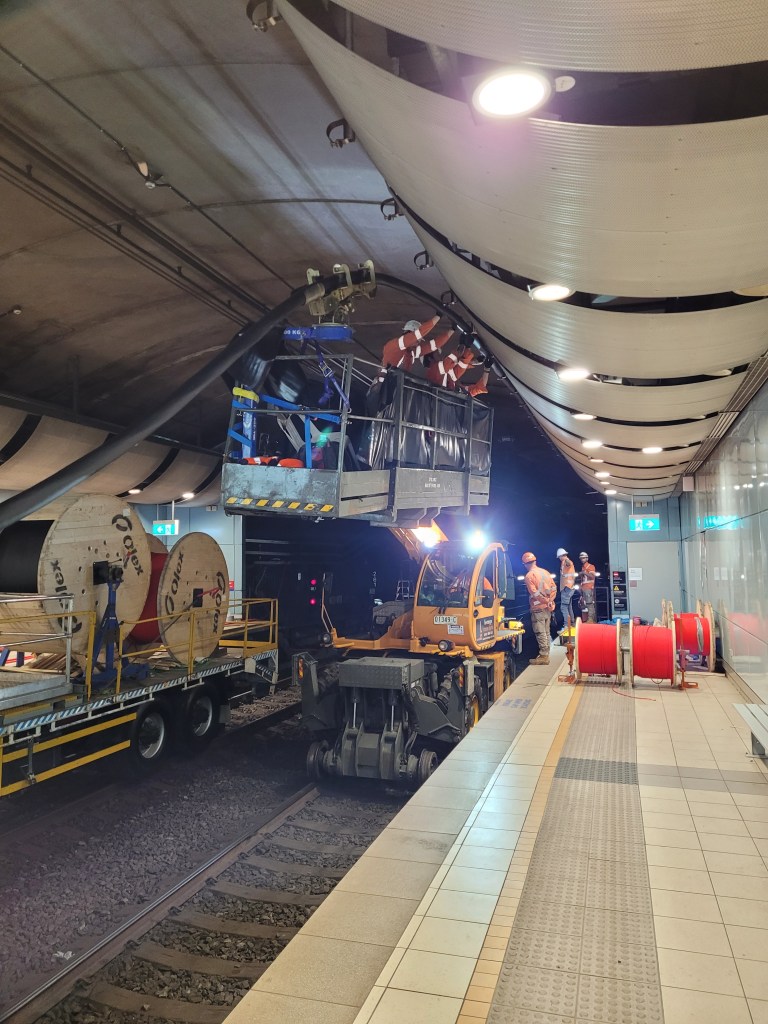
It was made clear to all staff and sub-contractors involved in the task, that the track and all stations needed to be handed back to Transport for New South Wales (TfNSW) at 02:00 on the Monday morning, ready for the Monday morning commuters. I would imagine the cost of not achieving this deadline was too large to comprehend and would cause a large headache for senior management!
Without compromising workplace health and safety, the clear goal was to complete the task by the deadline, at the expense of quality. On a number of occasions this was obvious to see….
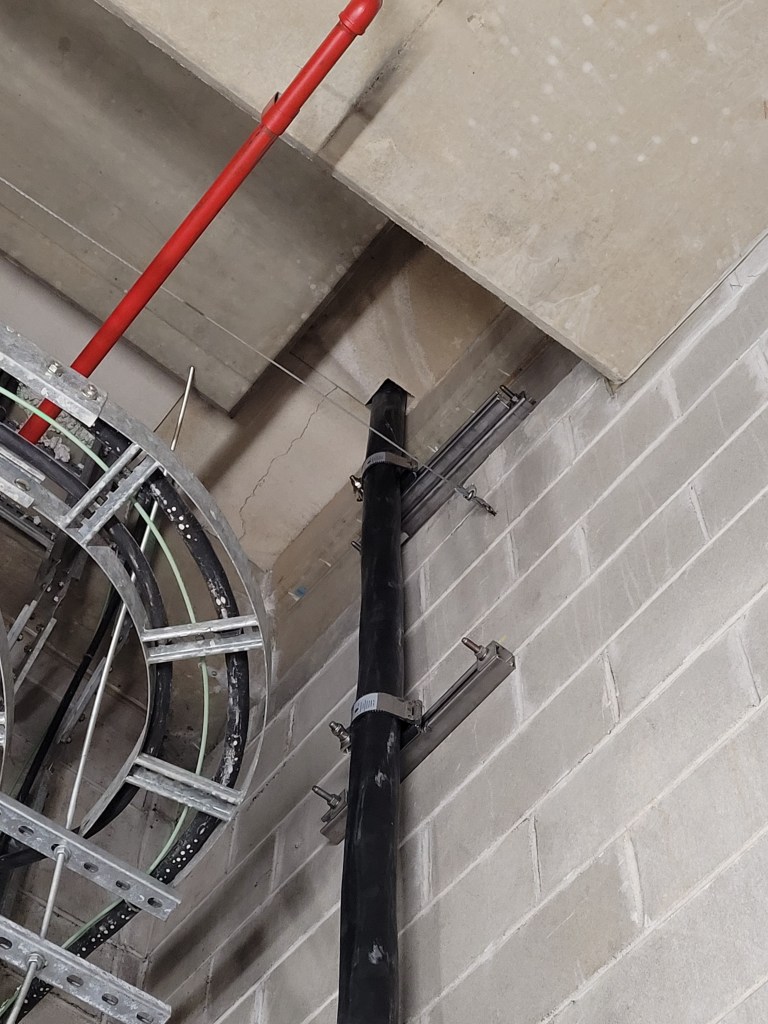
The brackets were pre-positioned before the cable pull and therefore the 11kV cable could not be clipped into a few brackets along it’s length, in time – a clear example of a drop in quality/workmanship to achieve the deadline. Don’t panic, the brackets could be moved at a later date during normal station operation, as all the brackets were back-of-house.
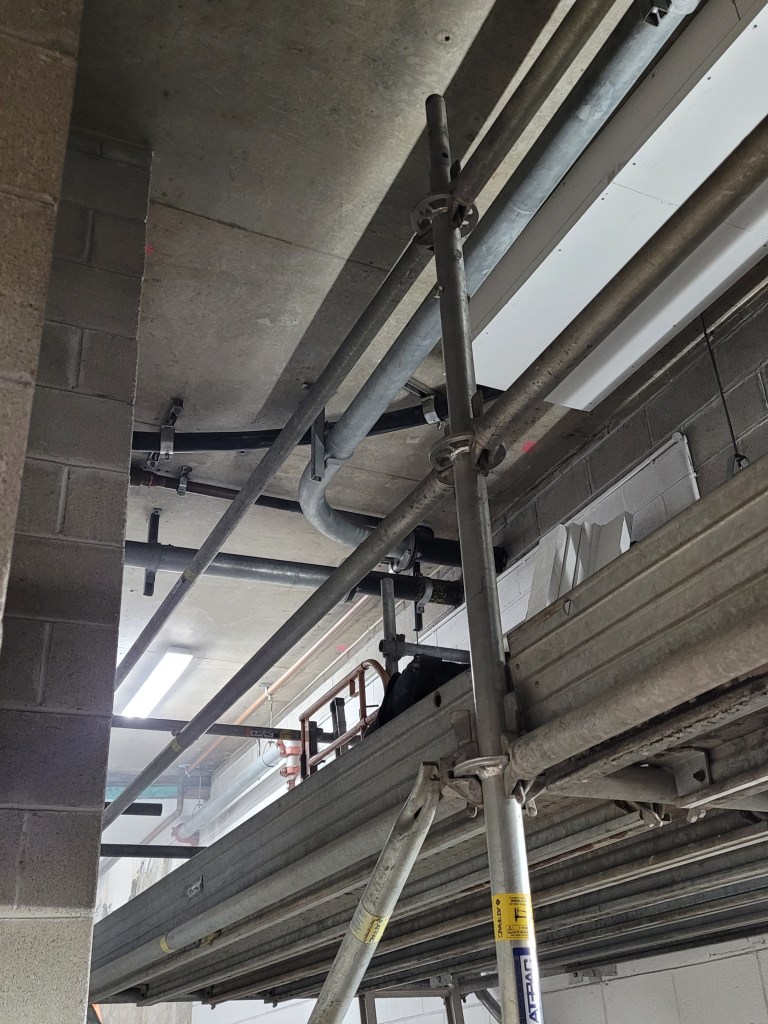
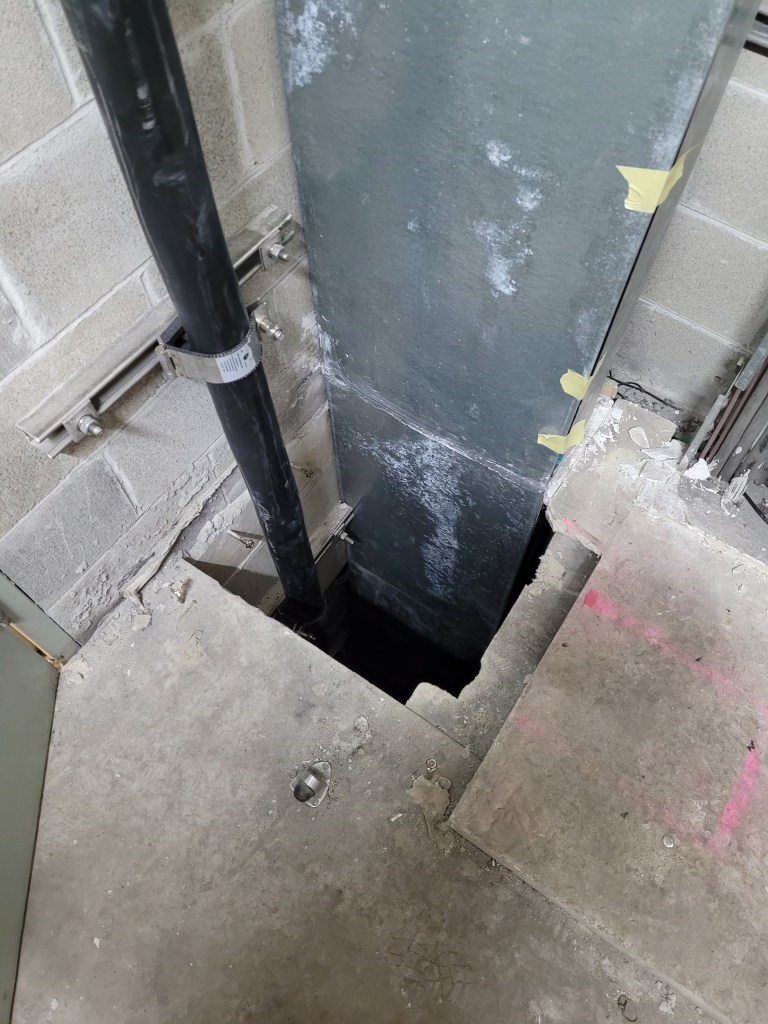
The 11kV cable weighs approx 15 kg/m and is relatively stiff which means it is a difficult cable to work with, especially when trying to bend the cable through various rooms and between multiple floors of the station. As shown in the images above, the result is that the cable pulling contractor scuff/mark the cable sheath as they work, in order to position it in accordance with the design. If required, cable jackets can be installed at a later date to repair any non conforming lengths of the cable. Just another example of a drop in quality to meet the deadline!
 Holdfast Training Services Trial Blog
So after reading that are you sure you conclude time was the driver, surely it was cost…
I would agree the financial implications of not meeting the rail handover are a strong consideration. However, the committed cost associated with the rail possession weekend were extremely large. It also seemed far easier to obtain purchase request authorisation for work related to a rail possession, compared with usual construction work on site during the working week. This would indicate a time incentive, over cost.
What I didn’t explain so well in my post is that these particular works are critical to successfully turning on the rail power line later this year. With only one more rail possession weekend to go between now and then, the available time frame to complete the works is extremely tight considering the scope of work yet to be constructed.
Really good to read about your experience, George. Your post made me think a little deeper about the TQC triangle.
It seems like in your case there is a different emphasis at different levels of the organisation. My interpretation is that your priority as section engineer was time – a constraint imposed on you by those above. This seems to be driven by a higher level priority to avoid the additional costs associated with an overrun. (Maybe the higher level minds were also wanting to minimize socioeconomic impacts relating to disruptions on public transport for commuters etc. One can hope!)
Does this difference in priority seem like a fair representation? If so, do the differences complement eachother or do they cause internal misunderstanding?
Max, I really like your viewpoint and it represents the situation quite well.
I think that all those working on track and in the station were focused on meeting the deadline, to ensure the programme remained on track – pardon the pun!! We wanted to ensure that this particular work package was complete, so that additional work packages could be completed during the next rail possession to meet commissioning date. I have no doubt the penalties (both financially and reputationally) of not handing the rail corridor back in time would have been detrimental to the project and the company. In this example, one could argue that any delay in time would be felt in cost, but as you say, this is managed above those involved in field engineering.