Archive
It’s been a quick summer
A really quick summer!
It seems that every day which passes picks up speed, and I can’t believe that we are already in mid September.
My time is still split between the two major projects here of the Steam Sterilisation plant and the USAMRIID replacement project.
I am now mostly involves in the commissioning process of the USAMRIID. In the building about 60% of the space is mechanical “room” jam-packed with HEPA filters, air handling units, control systems, compressors, pumps and everything else you could possibly think of.
I am managing the commissioning contractors issue log, this involves answering any questions they have on any of the many systems, in order to allow them to write the system tests that will accurately test and check the equipment, and put it through its paces. Some of these questions then highlight further problems which had not been previously considered, and thus I find myself researching a variety of systems and also going back to the original designer, (who will still have on contract) with a set of further developed questions, this is then resulting in some changes to the specification.
I have become the USACE lead on the in-the-field testing of some of the systems, ensuing that the quality of workmanship is up to the extremely high standard required. As part of this I have found that one set of tests being conducted may have been recurrently inaccurate for a couple of years, which is clearly a concern, as retesting would be extremely expensive and in many areas near impossible. I am attempting to determine the exact level of fault and from there find a quick/easy solution, and subsequently implement a system which will not allow the similar problems to recur.
In the Steam Sterilization Plant things are still fairly static. The higher management within USACE and the Lead Contractor are conducting a very slow negotiation over the final change, as they have been for the past 3 months. The Contractors bid is slowly falling from $2m to $1.6m but still not close to the expected $300K.
There are also systems tests of the SSP which remain failed/incomplete, and also pivotal for the plant to be finally commissioned by the Centre for Disease Control. Again due to the impasse and a hard stop on any further funding from us, getting remedial work and a retest is not currently possible, thus in order to progress we are having to conduct in depth research to determine if the previous test failure can be explained in a way that will not cause a huge rework. I have been in discussion with various laboratories in the US to compare their testing procedures with ours, to ensure we were not including an overly large safety margin. If the SSP continues to sit in deadlock for many more months then it will begin to impact the critical path of the USAMRIID project, and thus huge pressure will mount.
On the home front
Sarah has been working in a HR recruitment company for the past 6 weeks, and is now getting over her horror at the employment laws out here (until recently an employer was well within their rights to ask for your Facebook username and password, and you could be fired for not providing them). She seems to spend most of her day interviewing Ex-Cons who need work, so an eye-opener all round.
My beer is going well; I have now brewed a Belgian Ale, Weisbeer, IPA, Dupple and Pilsner all of which are actually pretty good! (Much to Sarah’s surprise)
We went on a road trip from here to Niagara Falls, the Great Lakes, Michigan and Pittsburgh. About 3000 miles in total: America is in fact quite big!
20 Sept 12. Post-summer update
IMechE competencies
Just a few notes on how am doing, as follows an impromptu chat in Runcorn earlier this week:
So I’m down there for some project review meetings for 4 of my jobs and Steve Kydd (the TAR Engineering Manager) has asked if he can join in with all our progress meetings, so he’s there too. Anyway, we’re having lunch and I’m asking him about his career so far (British Nuclear Fuels following Uni, and BP since 2006), and whether he’s chartered. And it turned out to be a winner of a question! Not only is he chartered through IMechE, he’s also a regular on the interview panel in Glasgow and would happily review my application form, be a sponsor, and fully rehearse an interview. How good is that?? Conversation moved on to the competencies, and before I could even suggest how he viewed my performance so far he was happy to tell me I’d blitz C-E without a doubt, but still need to work on A and B as that’s where all BP staff struggle, particularly the graduates [after 3-years with BP]. Something I guess I knew, but he told me not to stress just yet, but to be sure to review it post-Christmas – notably, this date fits into a quieter time in the pre-TAR work for the jobs I’ve got that are on his radar.
Later, at the airport, I asked whether there was much concern that a lad with 6-months in the trade was running so many of the TAR scopes (bearing in mind that one day of TAR roughly equates to £2m in lost revenue). “Oh yes Chris, that’s definitely something we’ve flagged up, but what you lack in experience and knowledge you more than make up for in energy, and that’s what we need from you.”
So OK, I clearly can’t bluff my engineering prowess just yet, but another person has said it will come with time. Oh, and they’d employ me if I ever fancied it…
Project Updates
ETAP ALQ. I’ve literally just rocked a meeting with the AESTL (Asset Engineering Services Team Leader) and one of the Renewals guys. They want it [Additional living Quarters], they probably want it bigger, but they don’t know when they want it. Compared to the costs of £200k a day for a flotel (they’re only using it for 120 beds, and I think they’re planning on having it for 14 months), £12m for 30 permanent beds really isn’t that much, but they’re still unsure about who’s running the business case – and this is what I need to be able to further detail budgets and importantly, release funds. Getting there though.
Magnus TAR Projects. My two originals are going well (must be my drive!) and the three I’ve taken on are moving OK and I’m getting to grips with them. As ever, WG PSN have had more management change, but I’ve been quick to get everyone together and inject some life; clearly it’s working! Flying down to Runcorn every week or two is killing the planet but makes communication and mutual respect infinitely better. I’m out to Magnus to survey them all on Monday with one of the TAR leadership team, my lead piping engineer and some guys from Spatial Solutions who do the 3D scans.
Mungo W160 Gas lift mods. Abbas, the petroleum engineer, was a bit taken aback when I quoted £1.48m (Capex) for the modification (essentially, the installation of a new pipe 2 foot higher up than the old one), although to be fair it’s only a third that cost in terms of Opex. Still, he’s not agreed to fund it yet so no movement. It’ll be a nice easy job if I do get it though!
Magnus Bunkering Lines. I’ll include these in my survey this week, and plan to get out to Poland and Norway to see the flotels before Christmas. Not been to either country before and the Renewals team are good guys, so I’m looking forward to it!
Magnus B Crane changeover and boom rest. This was one of Ish’s big ones, but in fairness it’s just another on my list! The boom rests are simply a structural job so happy there, and he’s doing a weighted analysis of the crane changeout methodology next week, so although I’ll miss it, I’m hoping there will be a good DSP and stakeholder agreement about which method to use. Regardless, it’s nothing I’m sweating over. Interestingly, Ish has been getting out to Holland every two months to check that Kenz are maintaining the already-built B Crane, so I’ll try and fit that in too. I’m sure I can make a good night out of Amsterdam somehow…
In other news:
- We’re collecting Dougal the German Wirehaired Pointer in a few weeks, after:
- Running the Skye Cullin Ridge this weekend
- Running the London to Brighton ultramarathon next weekend (www.justgiving.com/double1)
- And Liz and I run the Glencoe Mountain Marathon the weekend after that (www.justgiving.com/double2)
- Borneo was good and Pangkor Laut was unbelievable – pure paradise, and probably not too far from Perth if you hoods down-under fancy it?
- Amassing 20 people for “Beighton’s Barmy Bin Bag Army” at the Paralympics went brilliantly, and Nick made the Finals, and finished in 4th, just 0.2 secs behind the Bronze medal winner. Him and Sam beat the Aussies though!
- 39 Engr Regt has gained another Squadron, filling Liz with pure delight as it passes the 1,000 people mark.
Mineral Insulated Metal Clad Cable Blow Out – Calling All Cars
Last night (5pm) we had an electrical fault, which knocked out all mechanical services to just under half of the hospital. I’ve just ( 2pm) got the power back on, and am going for a beer with the boys (this is Australia after all), and then home. The work required a bit of on the hoof engineering but went well, but the cause of the fault, and so who pays, is contested. So I thought I’d ask you lot what you think; here goes.
At about 5pm, I was doing end of day checks after we’d been doing some work on the mechanical chilled water system. When I went into the plant room above the older section of the Hospital, I discovered that power had been lost and the air handling units were off. It turned out that the HVAC system to two blocks of the hospital was inoperable. I sent electricians to the Mechanical Services Switch Board in the Plant room, and to the Main Switch Board, from which it’s supplied to see if a breaker (fuse – these are old and crappy boards) had gone. A fuse on one phase of the sub main from the Main Switch Board to the Mechanical Services Switch Board had blown. As nothing appeared to have operated in the mechanical board, I sent a team to trace the sub-main between the boards to find the fault. It was pretty quickly obvious that one phase of the sub-main, an old (~35years) Pyro (Mineral Insulated Metal Clad – MICC) Cable had blown – picture below.

One phase of a MIMS cable sub-main had blow out, partially cutting another phase
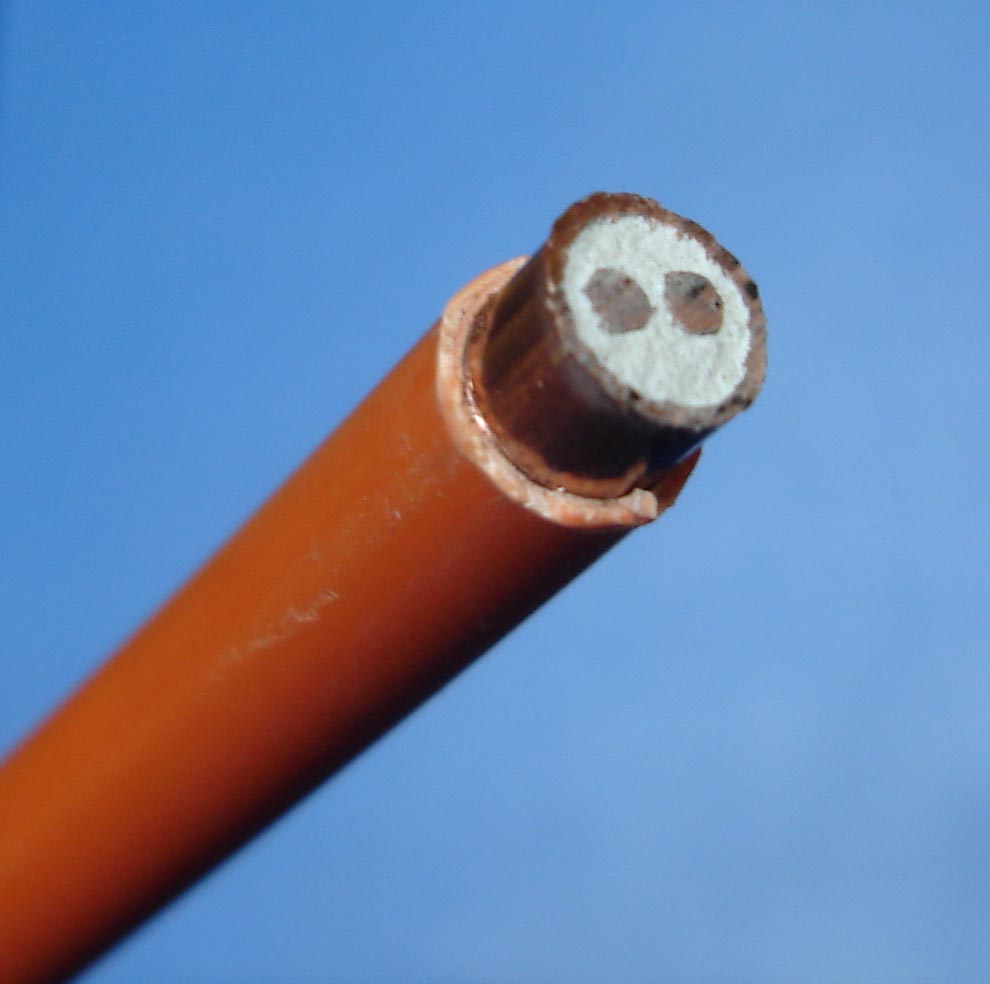
MIMS cables are formed of one or more copper cores, surrounded by mineral powder (often aluminium oxide) encased in a copper sheath and possibly a PVC outer cover.
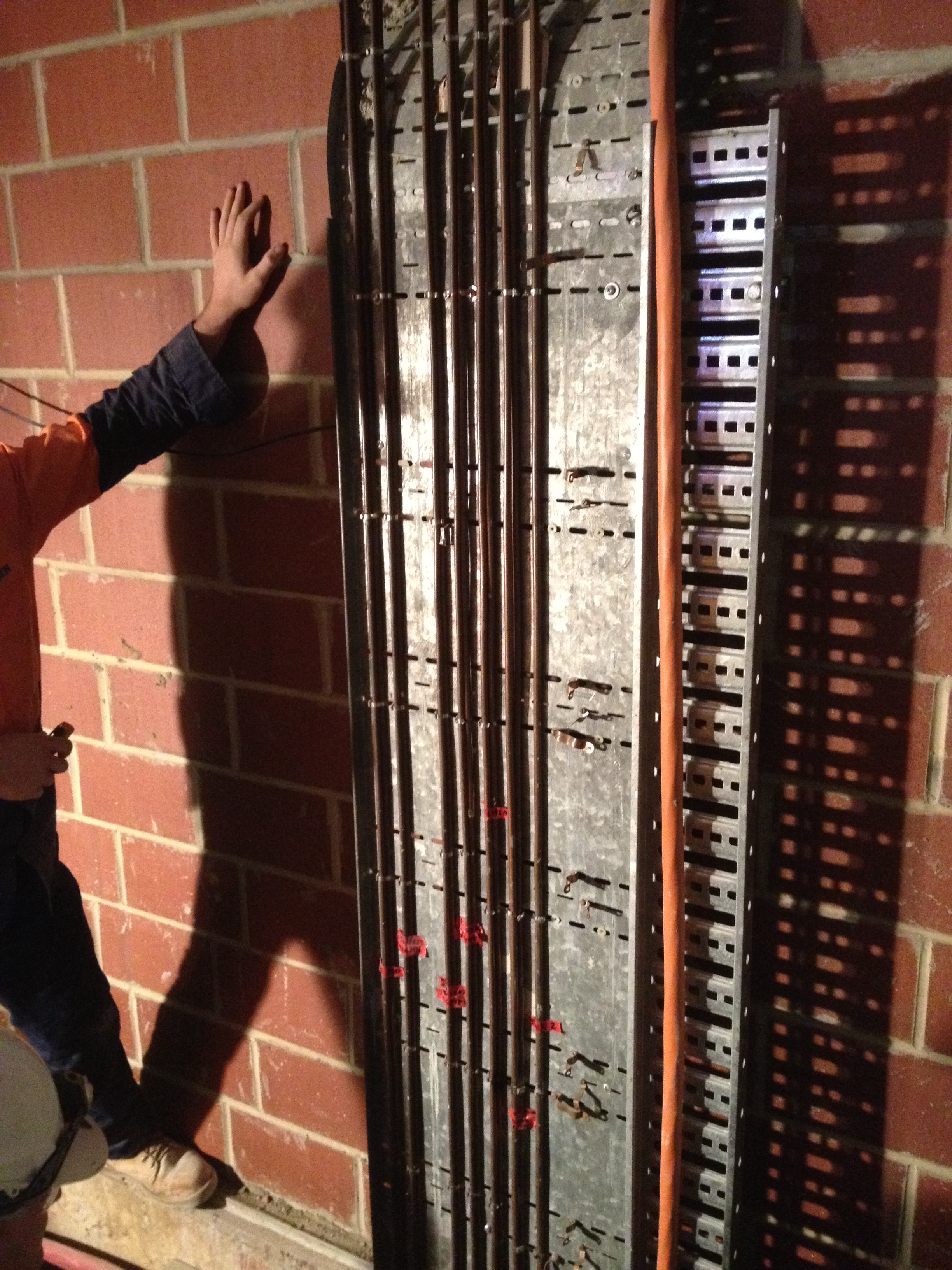
The pyros had been fixed to a cable tray using steel bands –apparently this is how it used to be done in Australia – instead of the copper straps recommended by the manufacturer of the cable. This is a picture of the type of gear they used.
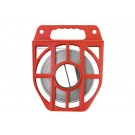
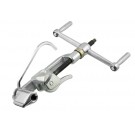
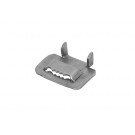
On the tray, some demolished cables, had clearly once been fixed with the approved bands.

On inspection it seems that many of the steel bands had broken, and that the copper cable underneath was scored.
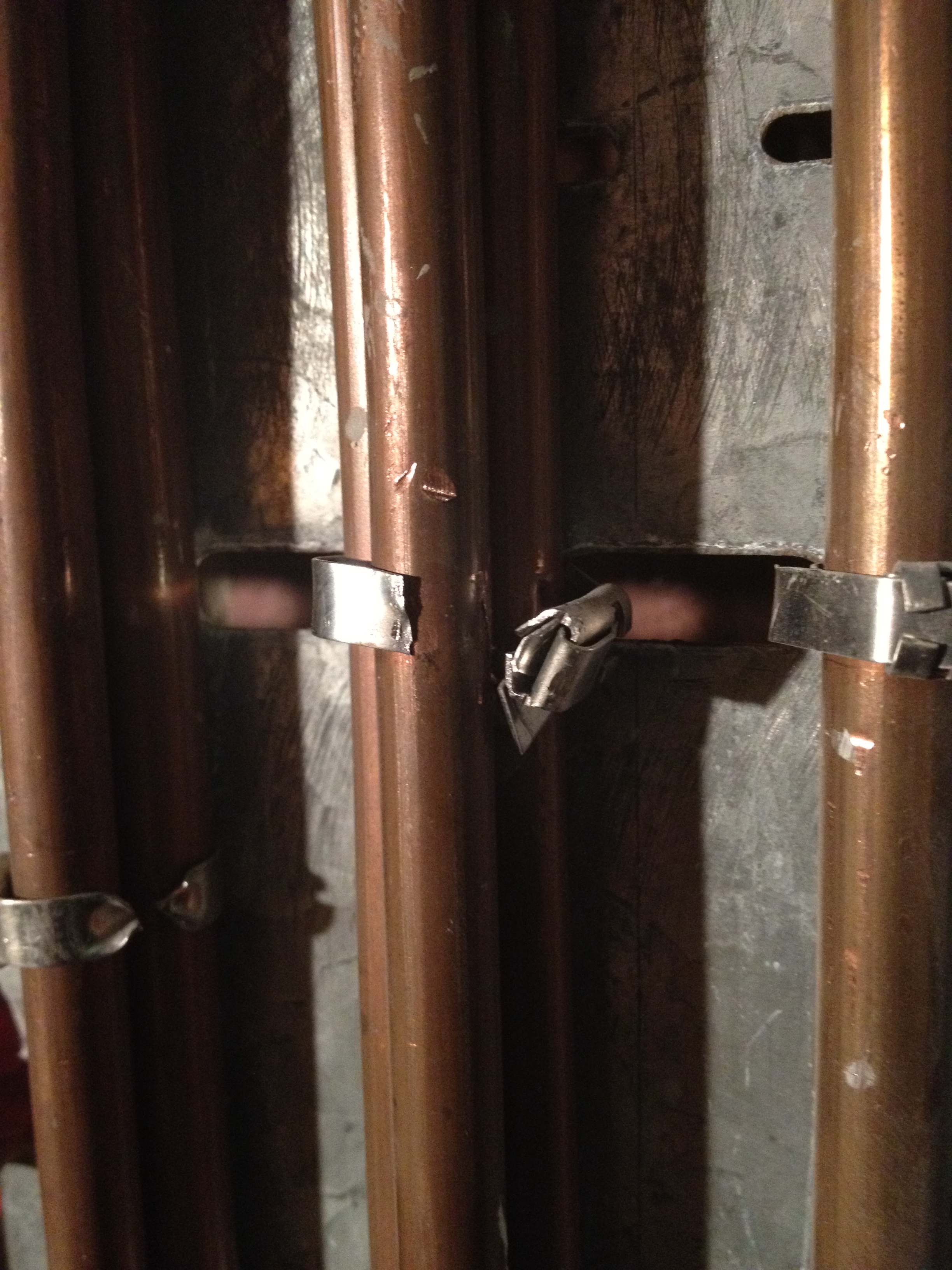
To me this suggests that over tightening of the straps has occurred, and, because the steel is harder than the copper cladding of the cable, the cables have been damaged. I suspect that a small penetration of the cladding may have occurred on installation, or as a result of vibration worsening damage caused by an over tightened steel band. Over time, moisture may have infiltrated the mineral insulation, breaking it down, until the a short occurred between the conductor and the sheath. My point is that this, in my opinion, constitutes a latent defect that would have eventually led to a fault, and that the client should seriously consider replacing the others cables that are in a similar condition.
The client’s representative, normally a mild managed man who just wants to be left alone, see things differently, however. He contends that either, the cable has been hit, or that excessive vibration has caused the cable, which he insists was not damaged during the original installation, to be cut by the steel strap. In either even, he insists, the fault, and so the cost, lies with us, the builder, and so he does not want to pay us for the repair work (~Aus$15,000).
I’m going to prepare a technical report form my PM about what the possible causes of the failure are, and what was most likely, and what the risk is of this happening to one of the others.
So there it is. What do you guys think? In particular, I’d be interested to hear if John has seen this before.
Dirty Tricks and Business Trips
Because one of the projects we have going on is the building of a new kitchen inside the old hospital, I’ve been looking at refrigeration a lot recently. Whilst we have a consultant for almost everything, commercial refrigeration seems to be viewed as something of a black art in these parts. With a mechanical consultant unwilling to commit to a design, and a fit-out consultant who would only provide a performance specification (‘How do I build it then?’ was my question), I was asked to do some work with a number of WA refrigeration contractors to come up with a suitable design. Immediately, I found that the gene pool was shallow, and, like the shallow reefs off this lovely coast, dominated by a rouge predator (did you know Perth is now the great white shark attack capital of the world?). It was fairly obvious that one of the contractors had managed to cut himself a deal with some of the major WA suppliers and was muscling out the others (some even told me they had been warned off); unfortunately, WA is not unfamiliar with price collaboration and corruption.
So I got the only contractor (he of the shadows) who would even talk about tendering in so we could discuss the design. I had billed it as a bit of a workshop where we could turn the performance spec into an outline design. Two things were obvious within a few minutes: firstly, the refrigeration exercises we did at Chatham were very useful, and have made us easily as competent in refrigeration design as the jokers we have to work with (thank you Mark and Jim); and secondly, that this guy didn’t know his psychrometric chart from a hole in the ground. Eventually, I was told that the price was the price ($1.3M by the way), the design was the design (done by someone else with his margin, rather than the performance spec, in mind evidently) and that I could take it or leave it, ‘but if ya leave it mate, there’s no one in the State that’ll touch ya.’ It was a little like something from Goodfellas. Anyway, it turns out he was right; no one else would talk to us and he wouldn’t budge. He was mightily displeased with me into the bargain, since it turns out he has been bamboozling us, and our client, for some time.
Having discussed this all with my PM, I was tasked with finding an alternative, which I have been doing over the last few weeks. The guys I’ve recommended we sign up (I find out for definite tomorrow, but it’s really a no brainer) are based in Melbourne, will have all of the cold room components and the chiller units assembled in Melbourne, will fly a team of technicians here to do the build, and are still significantly cheaper than the, frankly, criminals we’ve been happy to work with in the past. The result is that we save in the region of $300K and get a system that is much better suited to the client’s requirements than to the contractors profit margin, as was the case before. A bonus for me was that I had to report on the Melbourne contractor’s previous projects, the standards at his factory and of his suppliers, and the technical competency of his team to produce a suitable design. We did a test design exercise together based on the scout hut problem.
Social
Apart from the trip to Melbourne (I took Tasha along too), we’ve managed to fit in some excellent Aussie fun recently. My office took Tasha and I to watch an AFL (aussie rules) match the other day, which was excellent, and we’ve made friends with a player for Port Melbourne in the VFL (Aussie Rules but limited to Victoria, cheaper, and with more fighting) who’s invited us to the grand final in a few weeks’ time. Tasha is studying hard and has her entrance exam in Melbourne on the day before
Weeks 20-25, 23 Jul – 31 Aug 12. The slog continues…..
I wish that I could write an update talking about the excellent progress made on-site but alas, I can’t. My programme of works is hindered by backfilling, which in turn is hampered by tie bar installation, which in turn is delayed due to dewatering which is ultimately down to poor decision-making by the superintendent, who knows nothing about cofferdams, groundwater flow or reading a works programme! The solution, throw money at the project!
In the last few weeks things have been building up nicely towards a catastrophic failure and then boom…it happens…the dewatering failed. The sheet pile wall failed to keep out the pacific ocean and the pumps failed to keep up. Net result, the pump area flooded, the pumps were hoisted out and the sump flooded. Overnight, due to a lack of any active dewatering the cofferdam created by the king pile wall held in the flood water but only just as the wall moved over a 12 pile stretch to the tune of 1.8m towards the sea. It turns out that the design could keep out the pacific but in this instance not the water trapped within the coffer! This is a significant issue and one of which I will focus TMR 3 towards having already had discussion with John and Richard via email. The only disappointing facet is that this happened on Friday 31st and I’ve just gone on holiday. I have put my mole to work on site to keep me posted with updates on progress..I suspect though that little physical construction will have occurred by the time I return.
Prior to this the civil crew has had some reasonable success. Most notably, we installed our first 2 sections of capping beam (20% of total), 1 of the ten mooring bollards and completed 2nd of the 7 light pole footings. Tensions with the client have reduced to more reasonable levels and this is mainly due to a JHG senior management decision to proceed with all works providing we have designer (Arup) approval. This means that all the waiting for Bechtel for inspections, coded drawings to be approved, etc is no longer an obstacle which means work started to proceed with fewer road blocks. The only obstacle now preventing the civil crew is the earthworks and crane crews completing all tie rod installation and backfilling up to formation level to construct the capping beam and MOF furniture. Only problem with this is the minor issue of dewatering!!!
On return from my holidays I have finally been loaded to the safety and leadership course down in Brisbane (6 months late) and a course on how to use Lotus notes. If you look back at some of Steve’s initial blogs you’ll note that he did these in March! Oh to be on an organised site…
During this blog period we had a visit from “Uncle Rob” Porter who is Austyn’s godfather figure and managed a short break to the amazing Fraser Island for a bit of off-road driving and whale watching. We were not disappointed and got “mugged” by the whales as they circled the boat for 1.5 hours, performing their tricks, breaching and the like. A great little break and I thoroughly recommend it to my colleagues if they make a visit here during the whale watching season.
Other news sees us heading North from tomorrow on a road trip to Cairns stopping at various hot spots along the way as our annual August (ish) holiday. this will be the last trip for a while as my savings pot runs dry so it will be a good one! The process has started to find a house and schooling in Brissy and we’re travelling there in mid to late October to undertake some viewings and secure one. It may mean that we end up moving before December and I will do the classic Australian FiFo for 3-4 weeks if needs be. This isn’t all bad as it would mean that I can get some thesis nailed in my spare time with minimal child interference! Wait out to see what happens.
Finally, don’t listen to Matt’s country and western top 5. By the end of a track you want to to punish yourself for being so foolish as to listen in the first place.
Until at least the 17th September, that’s all folks!
A quick update
Tower Crane
The good news is that the tower crane got successfully installed on Saturday and Sunday, the construction went very smoothly and though long days the Red and White livery of the crane in John Holland stands out against all the yellow cranes across Perth.
What this does mask is a drama with the strength of the concrete which led to lot of running around. The pile cap design required a strength of 30 Mpa, however 3 and 6 day test cylinder strengths were 16 Mpa and 23 Mpa accordingly. This result of the 6 day test was delivered at 12pm on the Friday. This resulted in the requirement for some urgent core samples to be taken from the pile cap. Fortunately the lab stayed open for us and the results came in at an average of 30.5Mpa….phew…..at this point half of the site had been shut and a 250tonne crane was on site. If the installation had been delayed it would have been costly!!
Stair Core 3
The reason for the ridiculous number of piles in Stair Core 3 has not been driven by the loads but by an error in design (a problem made worse by construction being so close to completed design). I can’t write too much as this is the subject of an ongoing investigation and litigation but it seems there were number of errors in the design calcs which under designed the initial piles. This resulted in the extra piles which you can see. Stair core 4 carries a similar amount of load but you will see has much fewer piles.
Of note – a frequent cry from sub contractors is the level of overdesign and redundancy being specified in the design, Often I will hear the sub contractors saying they have not seen such a large pile cap or pile with so much reinforcement. A lot of this is driven by the requirement to be the last building standing in the case of a natural disaster and the seismic loading!!
PT/TMJs
The post tender interviews went well – I was assisted by the works package manager in the end which was helpful as both our brains were fried after repeating the same meeting 3 times. The major contentious issue is the supply and install of Temporary Movement Joint shear connectors. All 3 PT sub contractors complained bitterly that they were not the right sub contractor to install these items. (The value of these items is now about 50% of the overall contract value)
The reason why these have been included is that they were never included in the superstructure works package scope and John Holland are trying to do a regain by slipping this $1,000,000 extra into the PT works Package (another ball dropping moment from the procurement team).
Concreting in the heat
Being in a hot climate and seeing as where the Corps is building at the moment I took the opportunity to attend a lecture by the Institute of Concrete yesterday on “Beating the Heat –Concreting in extreme temperatures.”
This may well ensure that I spend the rest of my career in the wilds of Scotland or Norway or some such cold place but I learnt loads. From simple wins like the best way to cool the concrete is to cool the aggregate by spraying with water and shading the aggregate prior to use. To the sci fi method of using liquid nitrogen (maybe beyond the scope of the Corps). I also now have a better understanding of plastic shrinkage (from bleed rates, evaporation nomographs to use of Aliphatic Alcohol) and again the simple to very advanced ways of mitigating this (anyone heard of internal curing before?)
(Nothing like The Apprentice but) You’re Fired
Period Covered 16 Jul – 20 Aug
Summary: Commercial Realities
A period where my roles have been juggled (was “promoted” to the site manager for 10 days as he and Senior Site supervisor were on leave in an amzing bit of civy man management) which has been a real challenge to balance my engineer responsibilities and the hour to hour site management. This combined with the harsh commercial realties of one of the site team being fired (he wasn’t great but the speed of his dismal was frightening) and one of the key Engineers on site being given a formal warning (made the scapegoat for his subcontractors safety issue) both these things plus a middle and senior management team which in recent weeks has been very unsupportive to the team has highlighted the responsibility bestowed onto Engineers.
Progress on Site:
Progress on site has been slower than programmed, with core piling taking significantly longer. Due to the geometry of the site this created a bottle neck and typically made access and progress difficult. However with this complete the site is opening up and production is increasing all the time.
Bulk earthworks are due to be completed this week and you can now see all four walls of the retention system, it’s great to be able to now appreciate the size of the hospital. The sites first (of five) tower cranes is due to be erected on Saturday which be another significant milestone.
Fingers crossed these items will maintain the momentum and morale will improve across the team!
Some Technical Stuff
During this period I have been championing a Value Engineering exercise to reduce the amount of dewatering required later on in the project. This has involved trying to reduce the underside of the pile caps (Currently the last 50 pile caps have a depth of 2.2m which if raised to 2.5m the dewatering will not be required). This will reduce the cost ( dewatering costs approx $30,000 per week) and make the construction easier and quicker…delinking construction from dewatering capacity issues (Capped at 50L/s because of the treatment Unit). The two methods I’m investigating are:
1. Review of services due to be in the ground –can they be pulled up onto the underside of the basement.
2. Can the depth of the pile cap be reduced.
This is turning into a key issue and has the potential to make or break the sub structure package – more to follow but if succesful this has the potenital to save the project at least $500,000.
Logistics
If it will get in the way it has. With my outlandish claim that all the boundary conditions had more or less been resolved in my last blog this seems to have been a little premature. Issues with Multiplex (separate contractor fitting out the service tunnel), the Chimney (the one that was slowly moving towars the excavation), Bus Stop (painful process to remove bus stop from site boundary and replace 50m around the corner and allow completion of capping beam). These have all rumbled on over this period. And though none were too serious 3 x small delays results in a much bigger delay to project. On the positive side the chimney has not moved during this period and Multiplex have commissioned the service tunnel and will be of the site in the next 2 days. (This involved 100,000L being pumped through the system from water tanks in the middle of our site…your service geels would love it down there it full of pipes/valves and other stuff)
Also key to successful planning has been the design catching up and outstripping the progress on site. This now means (after 7 months of piling) the project has now received all the pile designs and planned the order for the remaining piling (approx. 600 piles) to completion. This has now allowed myself and the bulk earthworks engineer to plan the order of pile caps till the end as well, which informs steel schedule waterproofing and subsequent tasks. A significant jigsaw to piece together to allow access and prepare areas ready for columns and subsequent deck pours.
NCH MRP Pile Cap Sequence 2012
Procurement
The post tensioning tenders have now come back from the Subcontractors and I am leading the initial review and organising the Tender interview with the subcontractors. These are due in the next few days and I’m trying to put some order to these interview and review the quotes. I’ve been amazed at the varying standards of bids (and the costs vary by about 30%). Also even though the tender pack was specific about what to include in the pricing no company has done the same things or included all items in the scope. Though not impossible this will take some thought to be able to compare like for like.
Also all 3 companies are taking exception to the JHG contract with each company coming back with pages of amendments to the subcontract clauses claiming they are illegal or unfair. The construction has also stipulated the PT sub contractor will be responsible for supply and installation of all Temporary Movement Joint (TMJ). Apparently this is always done by the concrete subcontractor so the PT subcontractors are not interested at all. I am trying to get to the reason for why the construction director is so keen for the PT subcontractor to do but at the moment it is baffling every one (It has allowed me to investigate TMJ/shear connector technology though which has been very interesting)
All in all, It looks like my best negotiation skills will be required.
Safety
The site has been rocked by a number of safety incidents in the last few weeks. This has mainly been a result of working at to height incidents…working on the edge of excavations and servicing on the back of excavators. A lot of this can be attributed to the legislation change which used to stipulate that working at height was 2m or above but has recently been changed to any change in height. This is unfortunate as I highlighted this issue a few months ago (see previous blog about when is a fall from height a fall from height) but the site (the safety advisors) are only now reacting to this. The result was the bulk earthworks contractor being stopped for a day and the whole site shutdown for 4 hours to review all risk assessments and reiterate the safety message to all on site, (Admittedly I was writing TMR 2 so I missed this day).
So all in all, things are OK, the engineers are still feeling a little vulnerable and still feel undervalued, under resourced and not supported but this has improved with the return of the site manager, we are now working togehter ot try and pull the team togehter again and improve morale, but the ways things are at the moment I will eb suprsied if any of the current site engineers are working for John Holland come Christmas.
In other news I had my first game of indoor cricket last week – great fun and managed to not embarrsss myself. Cricket season starts in September so am now training a couple times a week with the local club…can’t wait!!
Weeks 16-19 (16 July-19 August 2012). Juggling Nicely
16 July – 12 August 2012
Weeks 16 – 19
Juggling nicely
Wow there, things have been busy for Camp Warner in the North, so here’s a bit of a summary starting with the most exciting bit (that turned out not to be that exciting after all).
ETAP ALQ Survey
Well, after a bit of fighting and some determined conversations, I managed to get offshore, albeit without a chaperone. Luckily, the ability to walk around confidently ensured I could recce effectively, whilst the green hat policy (everyone wears a green hard hat for their first three months on any ‘new’ BP platform) meant that people were always happy to explain things. My method of interview meant that people were happy to chat away which was good because I needed to balance opinions. Even more than normally, people were keen to hear the Army perspective, and I think afterwards some of them viewed life on an ‘austere’ oil rig slightly differently. Facilities are really quite plush: shared-2 man rooms with Sky HD and all the sports channels (but not all the ‘other’ channels); free wi-fi in the quarters area; phones dotted around the place – press 9 for an outside line; cinema; TV rooms; quiet rooms; smoking rooms; gym; sauna; as much food as you can eat… The lads get good bonuses for working off-shore and huge ones if their flight home is delayed. As for wages, the HSE Advisor (HSEA – effectively 3ic of the platform) who I shared an office with is on a salary that equated to £120k a year. Not too bad when you consider the shift pattern of 2-weeks on, 3-weeks off.
Anyway, as I was saying before digressing about my next career, the survey was incredibly useful and the following were appraised:
Location. From a previous study for the Search and Rescue Helicopter, the findings were verified and no major changes have been made since then to cause problems. Key factors will be the placing of a laydown area and bunded fuel storage above the accommodation – soundproofing must be considered as well as protective measures associated with the fuel. Site below in Fig 1.
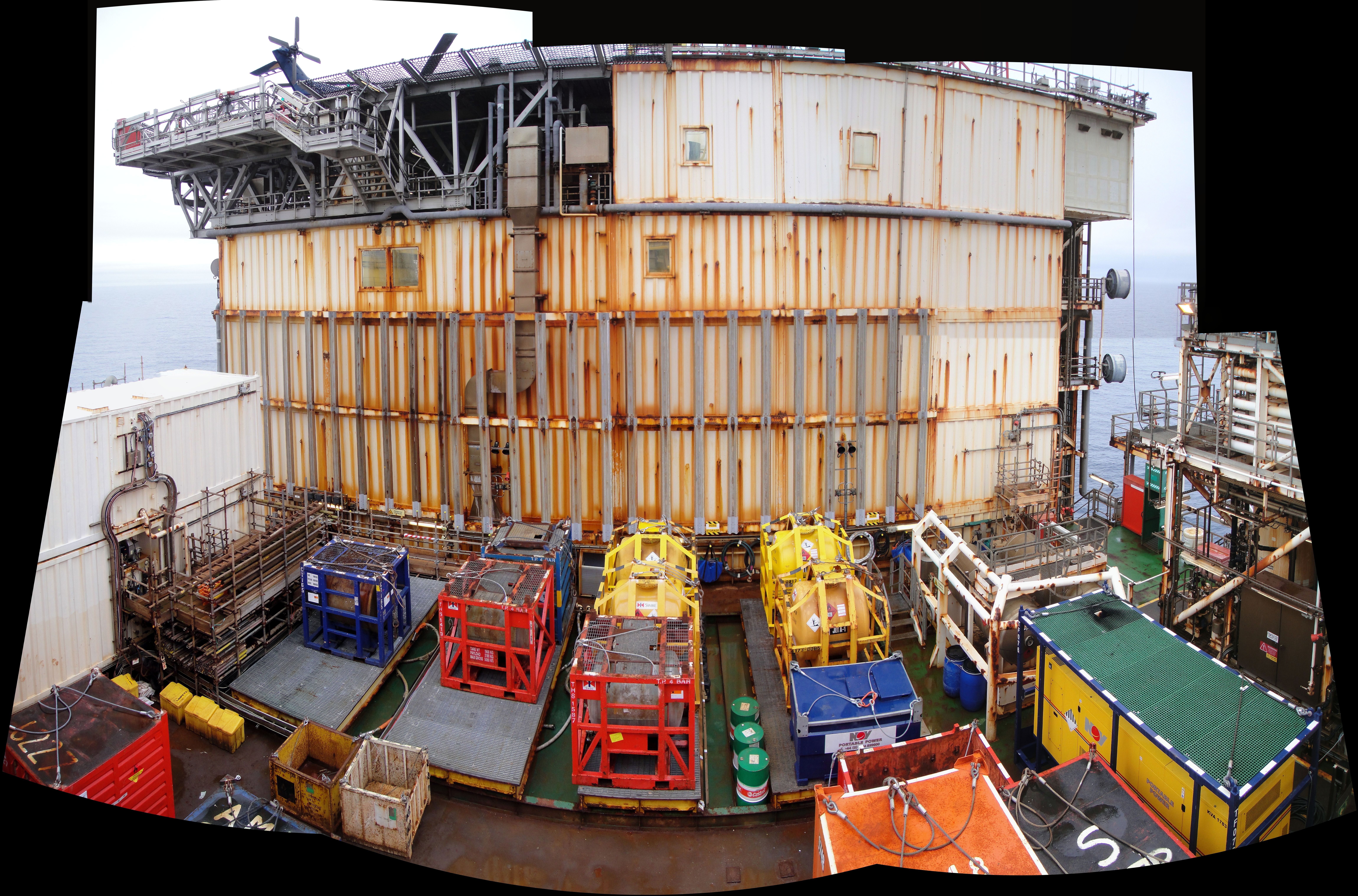
Figure 1. Laydown area on ETAP QU Platform
Muster area/boot room. The muster area must have 0.35m2 for each person for mustering so will not be big enough if there are 30 more POB. As such, various options have been considered for enlarging this, such as breaking through into the Emergency Response Team (ERT) room (that will need to be relocated) or the dirty area smoking/non-smoking room. My plan would be to relocate the ERT – the dirty area rest rooms are the only respite for some workers (unless they de-gunge) during their shift; reducing them whilst increasing the amount of POB would not be sensible!
HVAC. Separate system required as the existing system will not cope with the increased demand without major internal changes
Electricity. Ample power available and distribution capability from existing switchgear
Potable water. Either capacity for this will need to be increased (difficult) or some desalination and purification required to slow down the rate of vessel supply. (For E&Ms, consumption is ~350l pppd)
Black water removal. Big problems with current drainage capacity so my advice is to run the removal on an entirely different system OR incorporate the refurbishment of the old system onto this project.
Lifeboat. One more required for the increase in numbers, suitable sites found – opne better than the other and should require little platform modification. It’s like it was meant to go there…
Camp Boss facilities. Ran by Aramark, messing and laundry facilities will cope with extra demand with 2-3 more staff. Rec rooms are sufficient although will be busier at peak times (X Factor/ Pop Idol/ major sporting events).
Other facilities. The old temporary living accommodation (TLA – the white boxes on the left in Fig 1) currently has some Cape and WG PSN guys using it as offices, but the TLA is in poor order (as befits a temporary structure living outside its expected life cycle) and consideration should be made for removing it. This would allow for more room for the ALQ but then what happens to the guys using it? My thoughts are: 1. do we care? 2. Do they have squatters’ rights, as that’s effectively what they are? 3. Do you want more office space building “whilst we’re here”. I can get these questions thought about in meetings mentioned below, but in line with good Front End Loading (FEL) we must consider this now rather than in a year’s time.
Next steps. I’m meeting up with my Runcorn based design team on Tuesday to get them to move forward with the appraise study of different options, and following this I will get the key stakeholders (Area Engineering Support Team Leader (AESTL), Offshore Installation Manager (OIM), Business Manager, JRE and HSEA) together to Set Business Priorities – i.e. fully understand the Project Objectives that they see as most relevant; and hopefully gain some consensus on them! We will then get the Appraise study complete and get the same stakeholders together for a Peer Assist; their buy in is important as it is their platform we are making the modifications to. Getting the FEL right will save lots of pain later. I can then produce the DSP and move forward to Select.
Timelines. To be discussed on Tuesday, but I’m hoping to complete Appraise by the end of September and Select by the end of the year. This will allow me time to finish Define by the end of June so on-shore Execute can happen July 13 – April 14, and offshore Execute May – June 14. Easy – and it will play perfectly into whoever’s here next (if anyone).
In other jobs
Also this month I’ve:
- Covered the installation of Ish’s exhaust stack change out; it’s currently 11 days ahead of schedule.
- Got frustrated with the lack of work done on the Magnus TAR mods (Glycol balance line and conde pumps). These jobs have been bounced between Runcorn and Hull and are back to Runcorn again but with a mostly new team. My main aim this Tuesday is to bang heads together by charming them into working better as a team – or maybe just working full stop. The piping engineers are going out to survey next weekend so I need to renew the leadership piece and ensure they’re motivated and aware of what is required. I fear a lot may have been lost in the movement of the jobs their end.
- Investigated failings related to the Andrew Meter Prover project and found out a lot about FEL, Value Improving Practices (VIPs) and equally importantly, methods of ensuring that only the correct projects are selected to be developed within a portfolio.
- Investigated the bunkering of fuel oil and potable water from a supply vessel, through a flotel, and onto Magnus. Currently, I’m sorting out a trip to Gdansk to survey the Safe Caledonia flotel (454 bed floting caravan. This thing is bigger than Magnus, which is the biggest single permanent structure in the North Sea) before it departs for Andrew in November, so a bit of a deadline since any mods are likely to require long lead items.
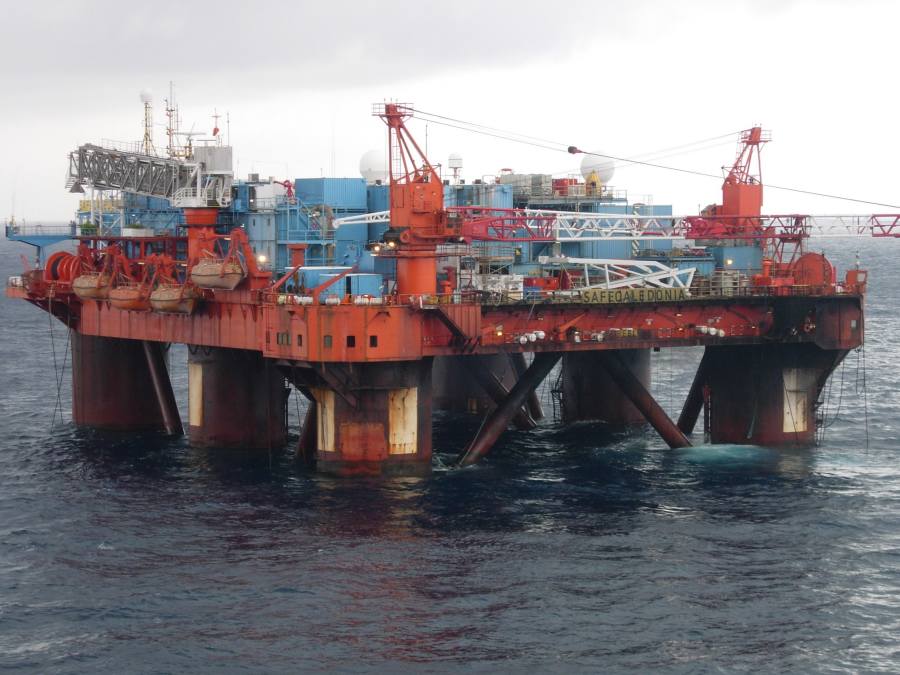
Figure 2. Safe Caledonia Flotel
- Worked on the W160 gas-lift tie in; this will be kicked off in September, straight into Define.
- Taken on 5 more jobs on Magnus. These are all at different stages and are being handed to me by one of the lads on the graduate scheme. They are:
- Cold Relief Boot upgrade
- Compressor vent mods to improve the shaft sealing systems on the export and flash gas compressors.
- Decommissioning of redundant Flash Gas, Export Gas and Chill Gas Trains 1 & 2
- Train 1 Export Gas & Flash Gas Compressor Lube Oil & Seal Oil Modifications
- Train 2 Export Gas & Flash Gas Compressor Lube Oil & Seal Oil Modifications
- I am out surveying my original TAR jobs on Magnus in October, so shall ensure I can have a good survey of the new ones whilst out there.
In other news:
- Finished 28th in the epic (4700 ft ascent over 14 miles) Dufftown Highland Games hill race – was fine going up the hills but got smashed on the descents – my new training regime incorporates “negative hill sprints”.
- Went to Kari Sims’ wedding to Andy McGee down the way in Inverary. An excellent Scottish wedding: highland dancing, a great selection of single malts and midges.
- Heading to the Deep South this weekend to see the Olympic mountainbiking in Essex
- And last but by no means least; we’re off on Honeymoon at the end of next week. 10 nights of adventure in Borneo followed by 4 nights of that relaxation stuff on Pangkor Laut. Back in time to see Nick Beighton in the Paralympics.
Blog 24 July
Blog 24 July
1. Intro
Apologies to all my avid fans for not blogging for a while, things have been getting pretty busy and thus interesting for me on site. I will try and keep this succinct, but also cover all the detail that will give you an idea of the site. I apologize for the length of this blog!
2. SSP Progress
The SSP is starting to move out of limbo, though we have yet to agree to the contractors proposal to the change order we sent (seeing as his quote was 4 times higher than our estimate). The commissioning agent has received their back-pay and so is now willing to come back to site, and continue the final stages.
2a. “Matched Flow” discussion.
I called a meeting to discuss the current issues with matching the 2 flows through the heat exchanger. This is heat exchanger is designed to transfer from one tank to another, whilst emptying and filling the tanks. As such having matched flow is essential to prevent either having to spend more time heating the filling tank or having to use copious fresh water to cool the discharge before it hits the sewer. This had been highlighted previously in the commissioning process and a change order agreed to correct it, however we have found that it is still not working as well as we would expect.
It is basically a controls problem, similar to the ones we discussed with Steve and the main problem is the speed with which it can reach its set point. This time was not originally specified, and so currently takes around 10 minutes to reach full flow. This is slowing the rest of the process to an unacceptable degree. It looks like we may have to issue an additional change order stating the time it should reach set-point in (ie full controlled flow)
The learning point: is that specification must truly reflect your expectations, especially on innovative plant equipment.
2b. Failed Cook test.
One of the cook tanks that is used to pressure cook the effluent appears to have failed its “Bio-Challenge” test. This is intended to simulate using the cooker to sterilize 8000 US Gal of effluent. It is conducted with temperature probes to monitor the temperature that the tank maintains, and also a set of small glass vials each of which has a biological sample which must be sterilized. The temperature did not stay above 250F for the full hour and the sample still had live spores. This is hopefully some form of failure in the testing rather than an equipment failure. More information will be coming soon which will allow me to analyze it properly.
Learning point: that commissioning and testing is best handled by a third party with no previous attachment to the contractor.
2c. Proposal from SSP
Having sent a Request for Proposal (RFP) from the contractor they have returned a quote 4 times higher than expected ($2M rather than $500K and 264 days rather than 60). I have been “getting into the weeds” of this proposal and found many laughable mistakes (or they may be attempted extension of reality, such as 25 hour working days). As I had stated in previous Blogs the contractor is way behind schedule and appears to be acting fairly irrationally, and trying to recoup some costs by blaming everything on the USACE as well as trying to charge huge fees for the slightest effort. They have also just replaced their onsite project manager, again a strange move when so close to completion, so we will have to educate the new project manager about the details of the project.
Learning point: that all submissions from a contractor must be fully scrutinized, as dependant on how honest they are they may try all manner of tricks.
2d. Schedule adjustments
We have also been looking into the schedule adjustments made to the SSP by the contractor. Again there are many errors which are either extreme lack of intelligence, or lack of honesty. An example would be that all work on site had to stop whilst they waited for a change order from USACE, and thus we have delayed them. Clearly in reality only certain elements (which in this instance are not on the critical path) had to be stopped. Scheduling tricks like this are littered all over, and so they have created a story which paints them as blame free.
Same learning point as above.
3. USAMRIID progress
3a. Temporary Cooling.
The application of the bio-containment coatings (paint) is on the critical path for construction. The paint has quite tight limits of temperature and humidity in which it can be applied. Currently the weather is hot and damp and so preventing the application of the paints in some areas. MTJV (lead contractor) has rights to use the permanent systems for temporary cooling. They are attempting to turn the system on before it is truly ready, and this is of concern as they are likely to do some damage. The insulation on the chilled water line is not yet vapor tight and so will condense water, remain damp then become mouldy. We have been directed not to tell them to stop, as they will then expect reimbursement for the delay, as it is difficult to prove their system is not ready, so instead I am closely monitoring to point out damage early and so prevent further damage.
Leaning point: easily measurable criteria are required at any decision point or control point (such as turning on the system or not). Contractors will negotiate and haggle over anything!
3b. Electrical Problem (tripping early)
The Central Utility Plant (CUP) provides all the electricity, steam and chilled water to all facilities on the camp. We recently had a problem with tripping the HV feeders. This resulted in a brief game of defensive finger pointing, with everyone checking their equipment and calculations whilst stating they were sure it was another person’s fault. It was eventually solved by the CUP raising their settings, though they were initially adamant that their settings were correct. I have been trying to get all the relevant data, for academic study, but each of the organizations are unwilling to share their data.
Learning point: Basic engineering is often clouded by politics, this slows progress.
3c. Commissioning Progress: Merrick Issue log
I have been leading the Corps management of the Merrick Issue log. Merrick is the commissioning agent for the construction and so they find many and varied problems. In order to generate the answers whilst keeping costs down, I am attempting to answer each question within our office before elevating it to the Architects and Engineers
3d. Differential Pressure sensor.
Due to the high containment nature of the building, each area has its air pressure controlled very accurately. I am solving some of the problems that have been found whilst installing this system, namely that the sensors may become “Pegged Out” during an equipment failure event, leading to a possible containment failure. Clearly this is unacceptable, it may require a $500K change order, I am investigating all methods to keep this cost down.
Learning point: All possible failure Conditions must be designed in, this will save money over the course of the project.
3e. Duct lining in 6th Floor.
In one of the mechanical areas there is insufficient space between the air handling unit and the duct directly above it to fit insulation. The insulation is required to prevent the duct condensing water during the hot moist weather that is common here. We are exploring solutions; the most likely appears to be adhesive duct liner that will insulate the inside of the duct. The customer and designer are reluctant due to the poor track record of duct liner for decaying and becoming flaky and brittle. We are having to explore all other methods, and also reassure the customer.
Learning point: information and expectation management is important to prevent the customer becoming concerned. Technology can move forwards but certain bad reputations will stay attached to the concept, in this case the new duct liner is proven to be adequate, but it is still a duct liner and thus considered a poor solution. This original problem could have been avoided by a 3D drawing and modeling package.
3f. Wall and Riser close ins
I have become the USACE plumbing lead for most of the ceiling and wall close ins.
3g. Plenum Walls inspection problems with QC
The air intake plenums for AHU’s have prefabricated sheet aluminum insulated walls. These have been allowed to corrode whilst in storage or transit, leaving a white substance on the surface. The quality control of the sub contractor and lead contractor both seem to have failed to stop this, so it has fallen on me and one of the other young engineers to perform some really low level QC.
3h. Pipe, pressure line and Duct tests
I continue to conduct pressure and flow tests on the various systems that are being installed, this includes Compressed air, Compressed Nitrogen, CO2, Water systems, Air ducts (both standard and bio-containment) and Air Handling Units
4. Other News
4a. Storms
We continue to have really good storms out here, almost tropical, with continuous lighting, we in fact got evacuated off site last Wednesday due to a storm warning, the office got hit by lightening, though no real damage done.
4b. Sarah’s Job
Sarah has managed to get a job lined up, so that’s a real relief for her as it has been a while. She is working for Randstad Recruitment, in an office that is ¼ mile from our house so very convenient. She is not that impressed with their working practices!
4c. Sarah’s playing in Carousel
Sarah has been involved in the local Frederick Towne Players, who are currently putting on a performance of Carousel. They are generally surprisingly good for a small town community theatre, but still have a few characters in the crew which make it funny!
4d. Bacon Sundae
As part of my cultural learning I am partaking in some of the local delicacies, most recently a Bacon Sundae. This is a Burger King Special, combining bacon and an ice cream sundae. It is as you would expect…
4e. July 4th Celebration
We had a great day off celebrating the American independence, being asked by Americans if it is a day of mourning back in the UK. They really go for it in a big way with the whole town in the Park for sunset fireworks.
Dewatering dramas
This will be short and sweet and is a bit of praise for John Moran.
Situation – JHG have created a cofferdam and have a dewatering plan
Issue – It isn’t working
Serevena becomes involved and asks 3 questions:
1. Where is the flow net? Do we know/understand the flow path?
2. What is the ground all about? Where are the bore hole logs? Do we know the permeability?
3. What is our pump capacity? What are the depth of our sumps?
Answers to the above:
1. Don’t have one and therefore no understanding.
2. It doesn’t matter as the water leaking through the pile clutches is the biggest factor.
3. Not sure, very deep.
So, Serevena has an epiphany and remembers all about flow nets and groundwater control. Ex Cofferdam was worthwhile!
So I ask the senior project engineer about this. He tells me to get back in my box and that all we need to do is lower the sumps. That was the last plan and it didn’t work. Until now we have been undertaking trial and improvement. This is going to change now, and I will make it happen!
John, do you fancy a bit of consulting work???
 Holdfast Training Services Trial Blog